
Best Time to Visit Boracay, Philippines Weather, Beaches & Budget Tips from Real Experience
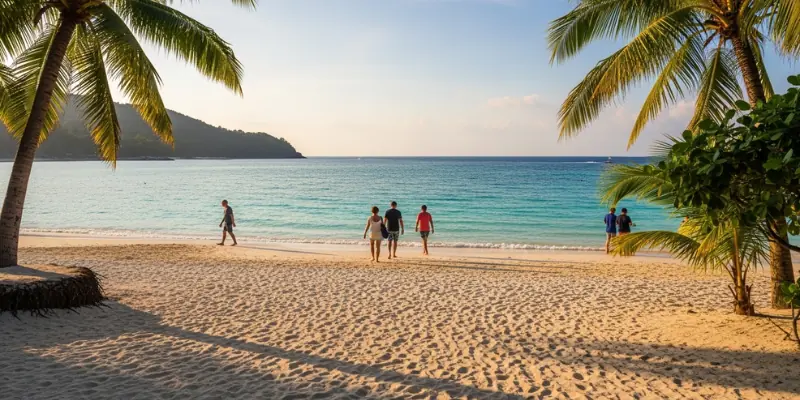
Imagine stepping onto a tropical paradise where powdery white sands stretch for kilometers, turquoise waters shimmer under the golden sun, and every breeze carries the whisper of adventure. That’s Boracay Island, the crown jewel of the Philippines islands, drawing travelers from all corners of the globe. But here’s the question every visitor asks: “When is the best time to visit Boracay?”
From my own journeys across this island, I’ve learned that timing can completely transform your experience. The dry season Boracay promises sun-soaked beaches perfect for snorkeling Boracay, paraw sailing, and island hopping Boracay, while the wet season Boracay offers quieter shores, greener landscapes, and attractive off-peak hotel rates Boracay. Even the infamous algae season Boracay subtly changes the character of White Beach Boracay, reminding you that Boracay is alive and ever-evolving.
In this guide, I’ll share Boracay travel tips, seasonal insights Boracay, and insider advice to help you plan your Boracay escape with confidence. By the end, you’ll know not just the best months to visit Boracay, but also how to make the most of your stay without missing a single magical moment.
Why Timing Matters for Your Boracay Trip
When I first set foot on Boracay Island, I quickly realized that timing your visit can completely transform your experience. The island’s charm isn’t just in its powdery white sands and turquoise waters, but in how Boracay weather shapes every adventure.
During the dry season Boracay (November to April), the skies are sunny, waves are gentle, and water clarity is at its peak, perfect for snorkeling Boracay, paraw sailing, and island hopping Boracay. But there’s a trade-off: crowds peak, and hotel rates Boracay and activity costs can climb 20 to 50% compared to off-peak months.
On the flip side, the wet season Boracay (May to October) brings occasional tropical storms Boracay, brief heavy rains, and higher humidity in Boracay, but it’s perfect for travelers seeking quiet beaches, discounted stays, and a slower pace. Hidden beaches and inland adventures feel more intimate during this period.
One special twist is the algae season Boracay (February to April), when White Beach Boracay may appear less pristine. Still, you can find secluded spots and luxury resort day passes Boracay ($50 to 80) to enjoy clear waters and top amenities without paying high accommodation costs.
Understanding these seasonal rhythms ensures you can align your Boracay escape with your priorities sun-drenched adventure, serene privacy, or budget-friendly travel making every moment truly unforgettable.
Boracay Climate Overview Dry & Wet Seasons
Boracay Island is a tropical paradise that dazzles visitors with its powdery white sand, turquoise waters, and vibrant island vibe. But to truly enjoy this paradise, knowing the climate is key. Boracay has two distinct seasons: the Dry Season (Amihan) and the Wet Season (Habagat). Each brings unique experiences, opportunities, and challenges for travelers.
Dry Season (November to April)
During the dry season, Boracay basks in sunny skies, with average temperatures ranging from 28 to 31°C. This is the prime time for swimming, snorkeling, and island hopping, as the west coast beaches like White Beach enjoy crystal-clear waters and moderate waves, while Bulabog Bay becomes a playground for kitesurfing and windsurfing enthusiasts.
Pros:
- Crystal clear water perfect for underwater adventures
- Ideal weather for all outdoor activities
- Water sports at their best
Cons:
- Crowded beaches, especially during holidays
- Higher hotel rates: mid-range hotels average $80 to $120/night, luxury resorts $200 to $400/night
- Popular activities may be costlier ($25 to $40 per tour)
- Possible algae bloom (lumot season) early in the year (Feb to Apr)
Wet Season (May to October)
The wet season brings occasional heavy rains and tropical storms, with temperatures averaging 30 to 32°C. While outdoor activities are more limited, the beaches are quieter, offering a peaceful retreat and discounted hotel rates.
Pros:
- Fewer crowds enjoy beaches in relative solitude
- Lower hotel and tour costs: mid-range hotels drop to $60 to $90/night, luxury resorts often offer special day passes $50 to $80
- Calmer, more relaxed island vibe
Cons:
- Unpredictable weather may disrupt plans
- Outdoor activities like snorkeling or island hopping can be limited
- Some ferry and local transport disruptions may occur
Boracay’s weather revolves around two monsoons: the Amihan (northeast dry wind) and Habagat (southwest wet wind). Understanding these patterns is essential, as they affect beach quality, crowd sizes, water activities, and overall costs. By planning around the climate, travelers can maximize fun, minimize hassles, and make informed decisions on when to visit Boracay.
Monthly Breakdown of Weather & Activities (Nov to Oct)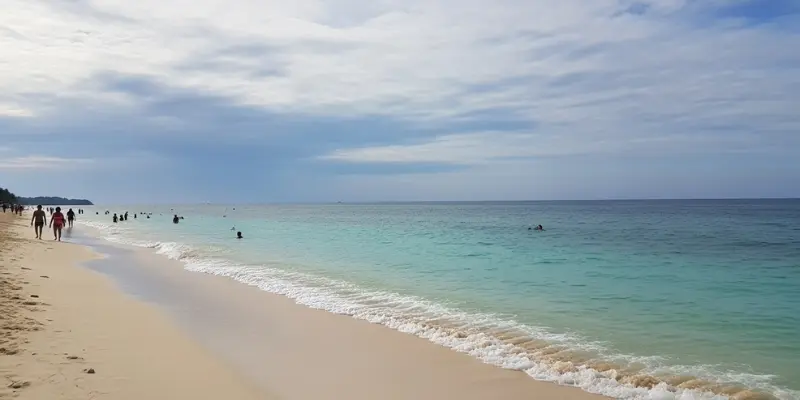
Planning your Boracay adventure? Knowing the month-by-month weather, activities, and costs can make all the difference. Here’s our insider guide to maximize fun while staying smart with your money.
November Early Dry Season Transition
- Average Day Temp: 28 to 30°C Water Temp: 29°C Rainy Days: 5 to 7 Wind: Moderate
- Activities: Swimming, snorkeling, early kitesurfing season at Bulabog Bay
- Crowds: Fewer than peak season, beaches relaxing
- Money: Mid-range hotels $80/night; luxury resorts $200 to $250
- Tip: Perfect month to catch calm seas before peak crowds arrive
December Peak Dry Season
- Avg Temp: 29 to 31°C Water Temp: 29 to 30°C Rainy Days: 2 to 3 Wind: Light
- Activities: Full swing of water sports, island hopping, sunset paraw sailing
- Crowds: High, especially Christmas & New Year
- Money: Hotels + activities are at peak rates; expect $120 to $400/night for resorts, $25 to 40 per tour
January Dry & Cool
- Avg Temp: 28 to 30°C Water Temp: 29°C Rainy Days: 2 Wind: Light to moderate
- Activities: Perfect for snorkeling, kiteboarding at Bulabog Bay
- Crowds: Still high, but tapering off after holidays
- Money: Similar to December; plan ahead to lock in rates
February Dry Season, Algae Start
- Avg Temp: 28 to 31°C Water Temp: 29°C Rainy Days: 3 Wind: Light
- Activities: Sunbathing, snorkeling (avoid algae-affected White Beach)
- Crowds: Moderate; Chinese New Year may spike tourism
- Money: Higher hotel rates; mid-range $90 to 120, luxury $250 to 350
- Tip: Head to quieter stations or hidden beaches like Puka & Diniwid
March Peak Dry & Hot
- Avg Temp: 30 to 32°C Water Temp: 30°C Rainy Days: 3 to 4 Wind: Light
- Activities: Beach lounging, windsurfing, sunset paraw sailing
- Crowds: Moderate to high, algae may still affect some areas
- Money: Similar to Feb; day passes for luxury resorts $50 to 80
April Late Dry Season / Algae Risk
- Avg Temp: 31 to 32°C Water Temp: 30 to 31°C Rainy Days: 4 Wind: Moderate
- Activities: Swimming, snorkeling, water sports
- Crowds: Moderate
- Money: Hotels still high; early bookings recommended
May Early Wet Season
- Avg Temp: 30 to 32°C Water Temp: 30°C Rainy Days: 6 to 8 Wind: Moderate
- Activities: Fewer water sports due to occasional rain; still good for island hopping
- Crowds: Low, beaches peaceful
- Money: Off-peak discounts on hotels ($60 to 100/night) and tours
June Wet Season Begins
- Avg Temp: 30 to 31°C Water Temp: 30°C Rainy Days: 7 to 9 Wind: Stronger
- Activities: Limited outdoor; indoor cultural tours, spa, resort day passes
- Crowds: Low
- Money: Budget-friendly options abundant
July Peak Wet Season
- Avg Temp: 30 to 31°C Water Temp: 30°C Rainy Days: 8 to 10 Wind: Strong
- Activities: Mostly indoor/resort-based; avoid heavy rain days for boat trips
- Crowds: Low
- Money: Lowest season pricing
August Wet Season Continuation
- Avg Temp: 30 to 31°C Water Temp: 30°C Rainy Days: 8 to 10 Wind: Moderate to strong
- Activities: Spa, resort day pass, indoor activities, occasional island hopping
- Money: Off-season hotel & activity deals
September Late Wet Season
- Avg Temp: 30 to 31°C Water Temp: 29 to 30°C Rainy Days: 7 to 9 Wind: Moderate
- Activities: Limited water sports, good time for eco-tours & hiking
- Money: Discounted rates continue
October End of Wet Season / Transition
- Avg Temp: 30°C Water Temp: 29 to 30°C Rainy Days: 5 to 7 Wind: Moderate
- Activities: Water activities return gradually, good month for quieter island experience
- Money: Mid-range pricing; prep for upcoming dry season surge
First-Time Visitor Tips & Practical Advice
Visiting Boracay for the first time is a dream come true, but trust me, a little planning goes a long way. From crystal-clear waters to sun-kissed beaches, every moment feels magical but first-timers often get caught in avoidable pitfalls. Here’s my expert local guide to make your Boracay adventure smooth, fun, and budget-friendly.
-
Avoid Algae Season for the Perfect Beach
If you want that postcard-perfect White Beach, avoid the algae or “lumot” season, which usually runs February to April. During these months, some areas develop a green layer of algae, especially near Station 1 and White Beach’s main stretch. Swimming is safe, but the sand and water aren’t as pristine. I’ve personally visited in March, and while it was still beautiful, the algae patches were noticeable. The best time for clear waters? May to early June after the algae season, when beaches sparkle and crowds are moderate.
-
Pre-Book Airport-to-Hotel Transfers
Caticlan Airport can be hectic, especially during peak season. Lines for boat transfers and resorts can take hours. Booking your airport-to-hotel transfer in advance saves precious vacation time. Options include shared shuttles ($5 to 7/day) or private vans for a more comfortable ride. I always book mine before landing it feels like stepping into paradise without the stress.
-
Book Activities in Advance
Boracay is packed with adventures: island hopping, helmet diving, sunset paraw sailing, and windsurfing. Booking in advance ensures your preferred schedule and often better rates. Popular tours run around $25 to 40 per activity, and I’ve found that securing spots early keeps weekends and peak season chaos at bay. Imagine arriving and already knowing you have a sunset sail reserved that’s stress-free travel!
-
Money-Saving Hacks for Transport & Resorts
Getting around can add up, but a few insider tips save money:
- Shuttle passes ($5 to 7/day) cover unlimited rides across stations.
- Tricycles ($1 to 2/short ride) are perfect for quick hops.
- Luxury resort day passes ($50 to 80) let you enjoy private beaches and pools without splurging on an overnight stay. I remember treating myself to a day pass at Crimson Resort it was pure bliss without the hotel price tag.
-
Insider Tips for First-Timers
- Head to quieter beaches like Puka Beach or Diniwid Beach if White Beach feels crowded.
- Consider staying in Station 2 for mid-range convenience or Station 3 for budget-friendly local vibes.
- Always carry a small cash reserve; not every vendor takes cards.
- Respect the local environment Boracay has strict waste regulations, and following them ensures this paradise stays beautiful for everyone.
Following these tips, your first Boracay experience will feel personal, magical, and hassle-free. From pristine sands to thrilling water sports, you’ll enjoy every moment while staying on budget and avoiding the common first-timer mistakes.
6. Where to Stay: Stations & Budget Options
When it comes to choosing where to stay in Boracay, your experience can change completely depending on the station you pick. I’ve explored the island multiple times, and trust me, each station has its own personality, charm, and price point. Let me guide you through the best options for every traveler, from luxury seekers to backpackers.
Station 1 Luxury & Private Beaches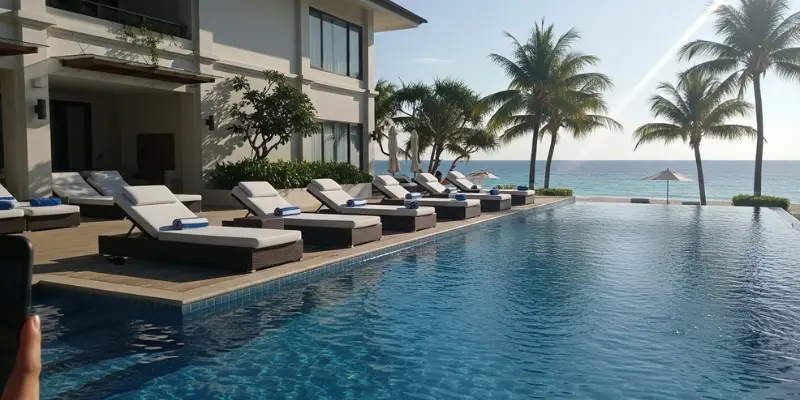
Station 1 is for travelers who crave five-star comfort, powdery white sand, and the calmest beachfronts. Resorts like Crimson Resort & Spa Boracay and Mövenpick Resort & Spa Boracay dominate here, offering infinity pools, elegant dining, and private beach access.
- Average nightly cost: $200 to $400
- Why it’s ideal: Perfect for honeymooners, couples, or anyone seeking tranquility. The sand feels softest here, and the sunsets are unbeatable.
- Money tip: If staying overnight is too pricey, day passes ($50 to $80) let you enjoy all amenities without the high cost.
Station 2 Mid-Range & Convenience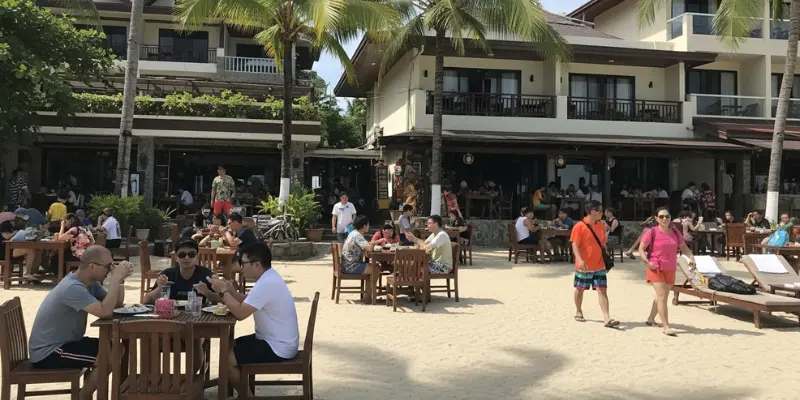
Station 2 is the sweet spot for mid-range travelers. Here, you’ll find a lively mix of entertainment, restaurants, and beachfront resorts without paying luxury prices.
- Average nightly cost: $80 to $150.
- Why it’s ideal: This is where the action is close to bars, cafes, and popular beach activities. Great for families and groups who want convenience without breaking the bank.
- Money tip: Look for package deals that include tours and transfers to save extra.
Station 3 Budget-Friendly & Backpacker Vibes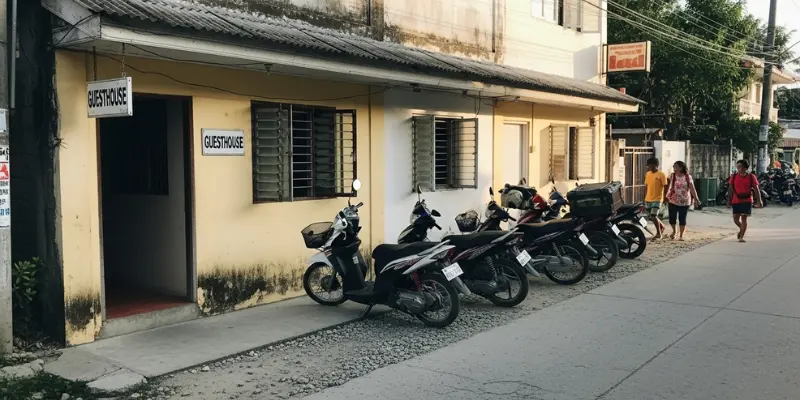
Station 3 is where you’ll find affordable stays, hostels, and a more local, vibrant vibe. It’s perfect for backpackers, solo travelers, or anyone prioritizing experience over luxury.
- Average nightly cost: $20 to $50.
- Why it’s ideal: Budget-friendly doesn’t mean boring. You’re close to local eateries, small beaches, and the real Boracay culture.
- Money tip: Combine budget hotels with day passes at luxury resorts or shuttle services ($5 to $7/day) to enjoy comfort without overspending.
7. Things to Do: Activities & Hidden Gems
Boracay isn’t just a tropical paradise to lounge on its iconic white sands it’s an adventure playground waiting to be explored. Whether you’re chasing adrenaline or hidden corners, the island has a perfect mix of activities, hidden gems, and inland experiences that make every visit unforgettable.
Popular Activities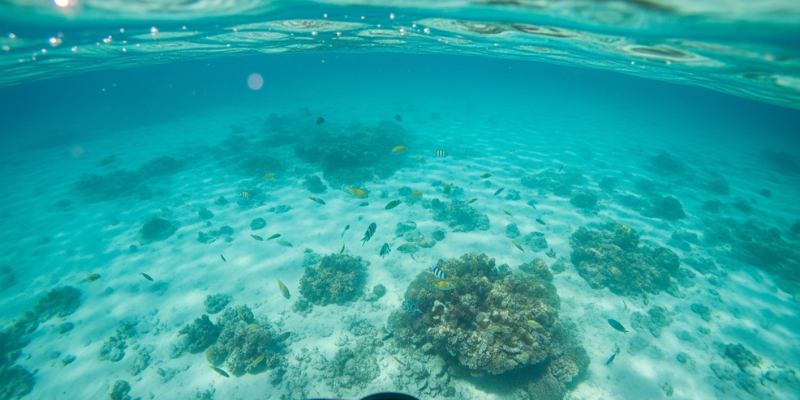
From the moment I stepped onto White Beach, the energy of Boracay activities was irresistible. Island hopping is a must small boats take you to secret coves, snorkel-friendly reefs, and crystal-clear waters. Snorkeling in Boracay brings you face-to-face with vibrant marine life, from colorful fish to playful sea urchins.
If you crave thrill, helmet diving ($30 to $40) or paraw sailing ($25 to $35 per person) lets you experience the ocean in a unique, unforgettable way. For wind lovers, kitesurfing lessons ($40 to $60) on Bulabog Beach give you a rush you’ll never forget.
Hidden Gems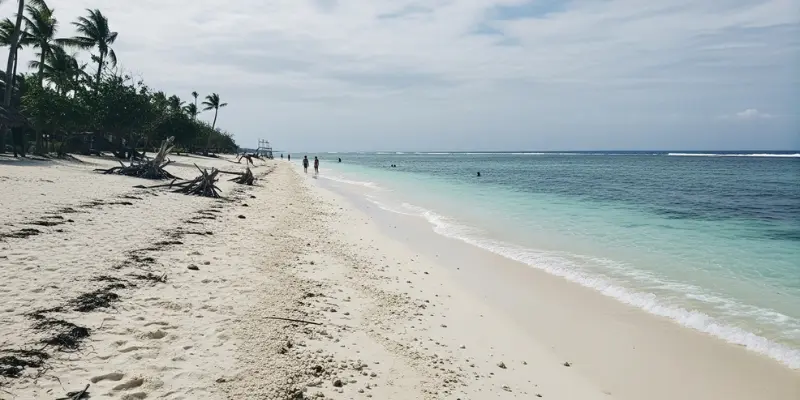
While White Beach is postcard-perfect, some of Boracay’s real magic lies in hidden corners. Puka Beach offers serenity with soft sand and minimal crowds. Diniwid Beach is a cozy escape with stunning sunset views. For panoramic vistas, Mount Luho viewpoint rewards you with a breathtaking bird’s-eye view of the island. And don’t miss the Boracay Keyhole, a natural rock window framing turquoise waters a perfect Instagram moment.
Inland Experiences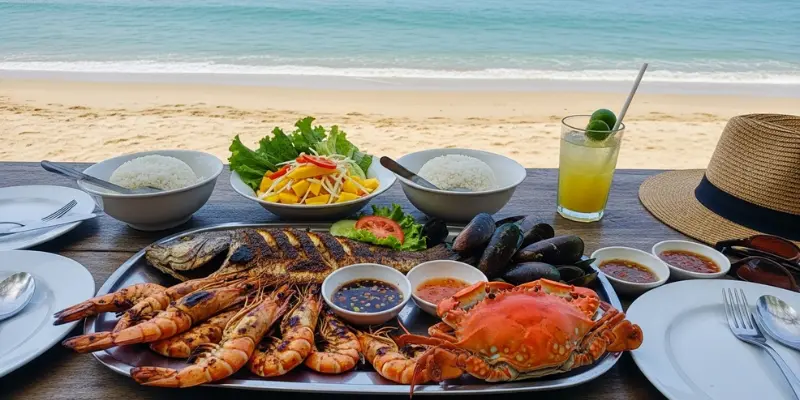
Not all Boracay adventures are on the water. Inland, eco-tours ($20 to $35) take you through mangroves and local ecosystems. For adrenaline seekers, ATV rides ($25 to $30) let you explore the island’s hills and hidden trails. And of course, don’t miss local dining experiences, where a hearty seafood feast costs around $10 to $15 per person fresh, authentic, and unforgettable.
Pro Tip
Book activities in advance to avoid long queues and inflated prices, especially during peak season. Combine water sports, hidden beaches, and inland adventures in your itinerary to experience Boracay beyond its famous sands. Personally, this mix of thrill, relaxation, and discovery makes Boracay truly magical.
8. How to Get Around Boracay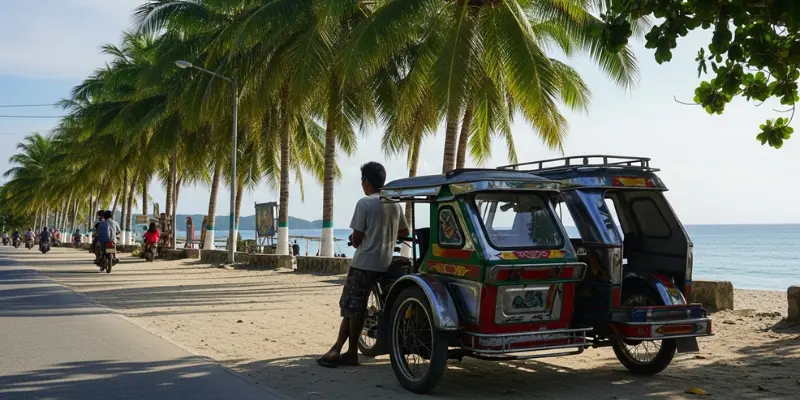
Getting around Boracay is part of the adventure itself, and knowing your transport options can save both time and money. When I first arrived, I quickly realized that moving between beaches, resorts, and inland spots is easy if you plan wisely.
Boracay Hop-on Hop-off Shuttle Service
The Boracay Hop-on Hop-off Shuttle Service is a game-changer. For just $5 to $7 per day, you can travel between Station 1, Station 2, Station 3, Bulabog Beach, and Boracay Newcoast without worrying about haggling for prices or waiting in long lines. Personally, this was my favorite way to explore hidden gems and popular beaches at my own pace.
Tricycle Rides
For short distances, tricycles ($1 to $2 per ride) are convenient and plentiful. They’re perfect for hopping between restaurants, markets, and small beaches. My tip: agree on the fare before you hop on locals are friendly, but clarity prevents surprises.
Ferry & Boat Transfers
Arriving from the mainland? Ferries and boat transfers are essential. From Caticlan or Kalibo airports, boats take you to Boracay’s ports efficiently. These rides cost around $1 to $5 depending on distance and type, and the journey itself is scenic and memorable, giving you your first taste of turquoise waters.
Bike Rentals
For the adventurous, bike rentals ($10/day) are a fun way to explore quiet inland trails, secret beaches, and Mount Luho viewpoints. Cycling lets you experience Boracay at your own pace, away from crowds, and is a favorite for sunrise or sunset rides.
Pro Tip: Combine shuttle passes for main transport with tricycles or bikes for hidden spots. It’s budget-friendly, efficient, and gives you flexibility, ensuring your Boracay trip is stress-free and magical.
9. Money & Budget Guide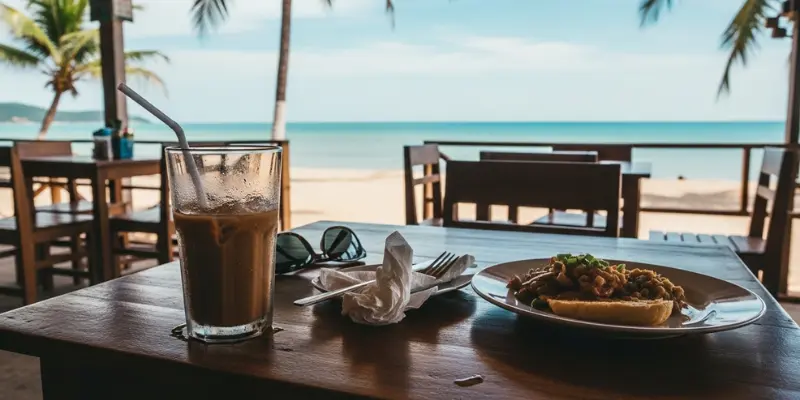
Planning your Boracay budget doesn’t have to be stressful. From luxury resorts to local eats, knowing what to expect can help you enjoy the island fully without overspending.
Accommodation
- Station 1 (Luxury): $150 to $300/night for beachfront resorts like Crimson Resort or Mövenpick, perfect for those wanting private sand and high-end amenities.
- Station 2 (Mid-range): $60 to $120/night, combining comfort with proximity to restaurants, nightlife, and shops.
- Station 3 (Budget): $25 to $50/night for backpacker-friendly stays, offering local experiences and quieter areas.
Food & Dining
- Local meals: $3 to 5 per meal at small eateries.
- Mid-range: $10 to 15 for a full meal at casual restaurants.
- Luxury dining: $30 to 50 for fine dining experiences with beach views or resort restaurants.
Transport
- Hop-on Hop-off Shuttle: $5 to 7/day, connects all main stations.
- Tricycles: $1 to 2 short rides, ideal for hopping between local spots.
- Bike rentals: $10/day for scenic inland routes.
- Ferry/boat transfers: $1 to 5 from Caticlan or Kalibo ports.
Tours & Activities
- Island hopping: $25 to 40 per person.
- Helmet diving: $25 to 35 per dive.
- Paraw sailing: $15 to 25 per session.
- Kitesurfing lessons: $40 to 60 per hour.
Sample 3-Day Budget
- Low-budget: $80 to 120/day stay in Station 3, eat local, use shuttle/tricycles, minimal tours.
- Mid-range: $150 to 200/day Station 2 hotel, mix of local & casual dining, 1 to 2 paid tours.
- Luxury: $300 to 450/day Station 1 resort, fine dining, private transfers, full-day tours & water sports.
Pro Tip: Travel off-peak (May to October) for discounts on hotels and activities, and book tours in advance to lock better rates.
10. Conclusion & Recommendations
Boracay truly is a tropical paradise that can captivate travelers any time of the year, but timing your visit makes all the difference. For the clearest waters and sunniest beaches, plan your trip between February and March for the dry season, or May to early June if you want to enjoy algae-free sands after the lumot season.
To make your Boracay escape seamless, pre-book airport transfers, hotel accommodations, and activities like island hopping, paraw sailing, or helmet diving. This ensures you can skip long lines, secure the best rates, and enjoy the island stress-free.
Even if you visit outside peak season, Boracay’s charm never fades from hidden beaches like Puka and Diniwid to stunning viewpoints at Mount Luho, every moment can be magical with a bit of planning.
Remember, the key to an unforgettable Boracay experience lies in strategic planning, local insights, and a flexible itinerary. Follow these tips, and your journey will be full of sun-soaked memories, thrilling adventures, and serene beach moments that you’ll treasure forever.
Frequently Asked Questions
How many days in Boracay is enough?
Three to four days are usually enough to enjoy the beaches, try a few activities, relax, and still feel the island vibe without rushing.
What month and year did they start to shut down Boracay Island?
Boracay was temporarily closed in April 2018 for environmental rehabilitation and reopened in October 2018 with stricter rules.
What is the off season in Boracay?
The off season is from June to October, when there are fewer tourists, more rain, and lower hotel prices.
What month is algae season in Boracay?
Algae season usually happens between February and April, especially along parts of White Beach.
What is the best time to visit Boracay Philippines for clear water?
The best time to visit Boracay Philippines for clear water and calm seas is from December to May, during the dry season.
Is Boracay expensive to visit?
Boracay can fit both budget and luxury travelers, depending on where you stay and when you visit.
Can you still enjoy Boracay during the rainy season?
Yes, you can still enjoy Boracay during the rainy season, especially if you prefer fewer crowds and cheaper hotels.
Which month is best for first-time visitors?
March is a great month for first-time visitors because the weather is stable, the sea is calm, and most activities are available.
Best Time to Visit Boracay, Philippines Weather, Beaches & Budget Tips from Real Experience
Related Posts
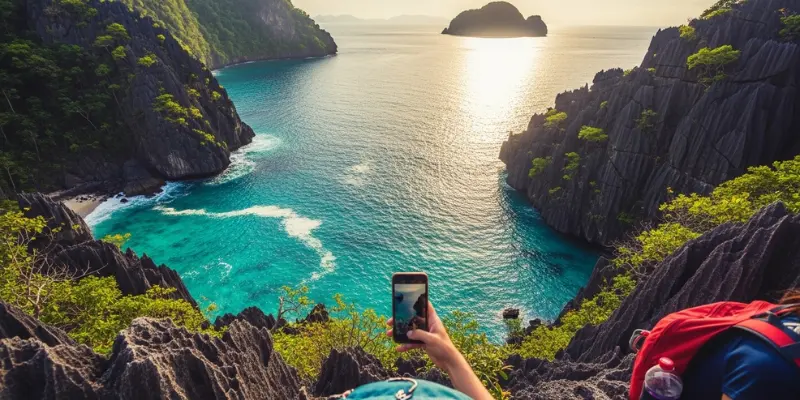
7 Best Things to Do in El Nido: 15 Best Beaches and Activities
If you are planning a trip and wondering about the best things to do in…
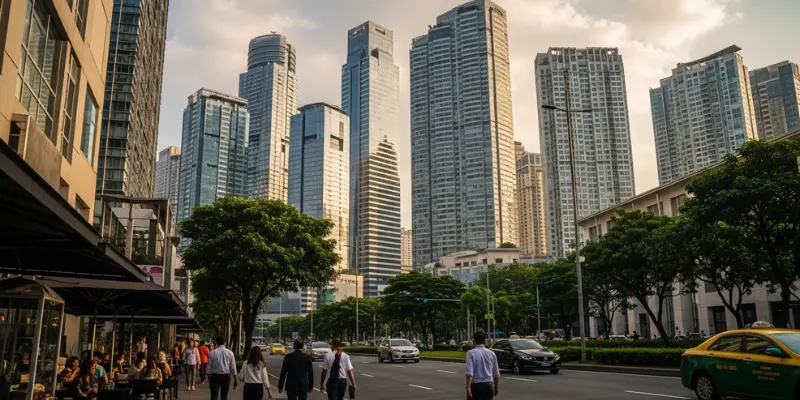
List Of Tallest Buildings in the Philippines: Real Heights and Facts
The first time I stood in Bonifacio Global City, I paused, looked up, and genuinely…
Philippines Camiguin Island: Journey to the Island Born of Fire
Philippines Camiguin Island Philippines Camiguin Island, often called the “Island Born of Fire,” is a…