
Exact Batu Caves Opening Time: Malaysia’s Rainbow Stairs and Murugan Statue
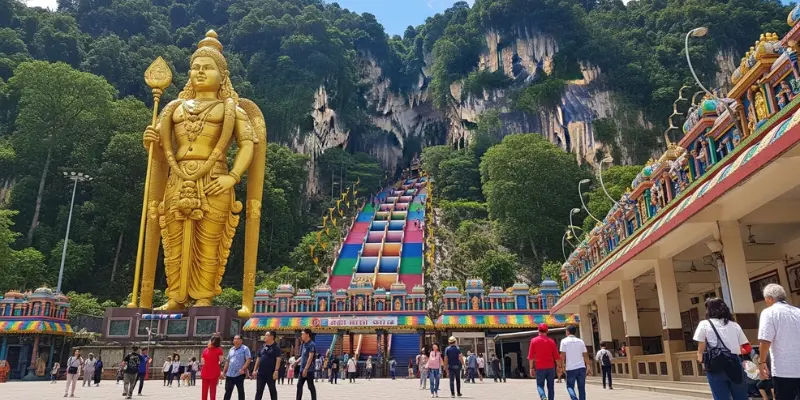
Imagine stepping into a world where nature’s grandeur meets spiritual devotion this is Batu Caves, Malaysia’s iconic limestone wonder located just 13 kilometers north of Kuala Lumpur. From the moment you gaze up at the towering golden statue of Lord Murugan, standing proudly at 42.7 meters, your camera will not stop clicking. The rainbow-colored staircase, with its 272 steps winding up to the cave temples, is not just a photo opportunity it is an invitation to experience centuries of culture, devotion, and history all in one breathtaking location.
Whether you are a traveler seeking Instagram-worthy shots, a culture enthusiast exploring Hindu temples, or a solo adventurer craving a day trip from Kuala Lumpur, Batu Caves delivers an unforgettable journey. The limestone caves, formed over 400 million years, offer a dramatic backdrop of natural rock formations, while the vibrant temples inside immerse you in spiritual rituals and colorful traditions.
Best of all? Entry to Batu Caves is completely free, making it one of the most accessible and budget-friendly attractions near Kuala Lumpur. This is perfect for travelers who want maximum impact without spending a fortune on sightseeing, hotels, or transportation.
In this complete Batu Caves travel guide, we will cover everything from Batu Caves opening time, how to get there, what to see, to tips for navigating the 272 steps, avoiding the playful monkeys, and making the most of your visit. Let us dive into Malaysia’s must-see gem!
If you are planning more sightseeing things in city, see my complete Kuala Lumpur travel guide
2. History & Significance of Batu Caves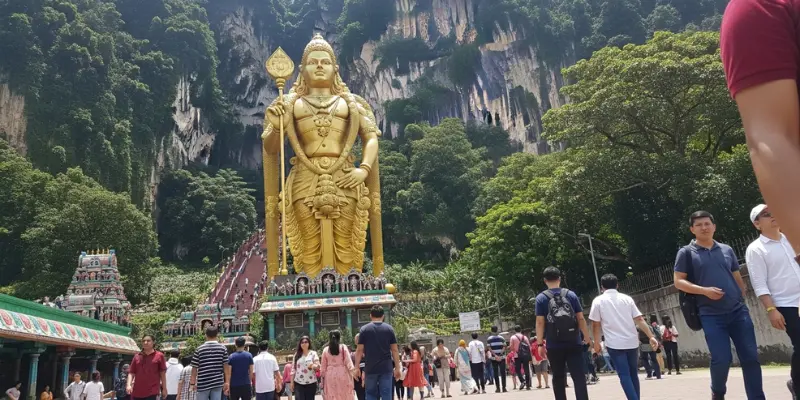
Stepping into the Batu Caves is like traveling back in time while simultaneously witnessing the vibrant pulse of Malaysian culture. These iconic limestone caves, estimated to be over 400 million years old, are a natural marvel that has shaped centuries of human history. The caves were initially a hidden gem, used by early Chinese settlers in the 1800s for farming and collecting resources. In 1878, an American explorer introduced Batu Caves to the wider world, sparking global interest in this breathtaking site.
The real transformation began in 1890, when K. Thamboosamy Pillai, the leader of the Tamil community in Malaysia, envisioned the caves as a sacred space dedicated to Lord Murugan, the Hindu God of War. Over the years, the site evolved from a humble temple to a magnificent complex featuring vibrant temples, statues, and the famous 272-step rainbow staircase. In 2006, the construction of the massive golden Murugan statue, standing at 42.7 meters, solidified Batu Caves as not only a spiritual epicenter but also a striking cultural landmark.
Religious significance at Batu Caves runs deep. This site is one of the most important Hindu pilgrimage destinations in Malaysia, drawing thousands of devotees and travelers alike. The Thaipusam festival, celebrated annually around January or February, is a spectacle of devotion where millions gather to honor Lord Murugan. Pilgrims carry offerings, and the atmosphere is vibrant with music, ritual, and spiritual fervor, providing a rare opportunity to witness authentic cultural practices firsthand.
Beyond religion, Batu Caves offers profound cultural insight. The temple is a living, breathing part of the Malaysian Hindu community, where tradition and daily worship coexist with tourism. Visitors gain a deeper understanding of Hindu customs, architecture, and spirituality while exploring the intricately carved temples and natural caverns.
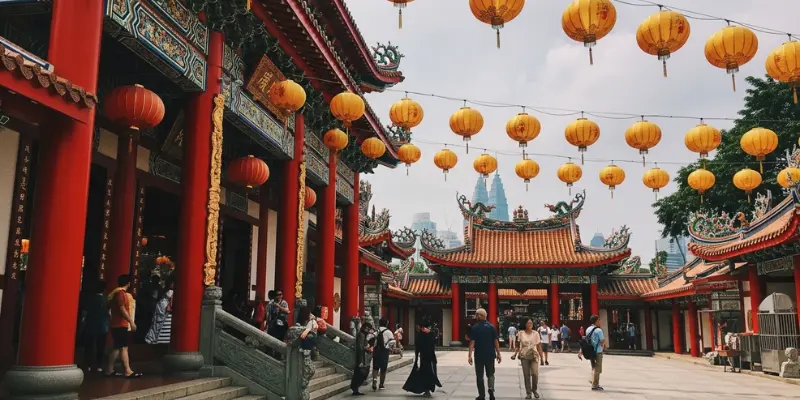
Kuala Lumpur has no shortage of spiritual landmarks, and Thean Hou Temple offers a very different experience from Batu Caves.
From a practical standpoint, visiting Batu Caves is cost-effective and accessible. Temple entry is free, making it a must-visit for travelers seeking both cultural enrichment and visual splendor. For those looking for a guided experience, half-day tours and private tours are available, offering historical context, convenience, and a chance to explore surrounding sites in Kuala Lumpur efficiently.
In essence, the Batu Caves history is a blend of natural wonder, spiritual devotion, and cultural legacy. Climbing the 272 steps, gazing at the towering Lord Murugan statue, and immersing oneself in centuries of tradition is an unforgettable experience, making Batu Caves a top destination for Malaysia travel enthusiasts, photography lovers, and cultural explorers alike.
3. How to Get There
Reaching Batu Caves is an adventure in itself, situated just 13 kilometers north of Kuala Lumpur, yet it feels like stepping into a completely different world. For travelers planning a visit, there are multiple transport options, each catering to different preferences, budgets, and convenience levels.
The most popular and budget-friendly way to get to Batu Caves is the KTM Komuter train. This local train is not only easy to navigate for first-time visitors but also offers the cheapest fare, ranging from RM 1 to 6 (approximately $0.25 to $1.50 USD) depending on your starting station. The Batu Caves station is the last stop on this line, making it impossible to miss. The ride itself gives a small glimpse of Kuala Lumpur’s suburbs, adding a touch of local life to your journey. Using Google Maps or Rome2Rio helps plan your train connections smoothly and ensures you do not waste any time.
For those who prefer convenience and comfort, especially solo travelers or families, Grab or taxi rides are highly recommended. While slightly pricier, usually costing around RM 20 to 35 depending on your pick-up point, these options drop you directly at the base of the famous rainbow-colored staircase leading up to the cave temples. It is perfect if you are carrying luggage, traveling with kids, or want to avoid navigating the train.
Another alternative is bus services or private tours, which can be particularly useful for travelers who want a guided experience or are unfamiliar with the local routes. These tours often include transportation, entry guidance, and sometimes a stop at nearby attractions, making your Batu Caves visit hassle-free.
Safety is a key consideration, especially for solo travelers and women. While the train and Grab services are generally safe during the day, it is advisable to travel in groups or remain in populated areas. Avoid late-night trips and stay alert when navigating the station or boarding transport.
No matter which transport option you choose, the journey to Batu Caves is straightforward and affordable. By planning in advance and keeping these tips in mind, you can ensure a stress-free and enjoyable start to your exploration of Malaysia’s iconic natural and cultural wonder.
4. Visiting Hours & Best Time to Visit
When planning your trip to Batu Caves, knowing the Batu Caves opening hours and the best time to visit can make all the difference in how enjoyable your experience feels. The main attraction is typically open from early morning (6:00 AM) until 9:00 PM, giving you plenty of flexibility to explore whether you want a sunrise climb up the 272 rainbow steps or a late-afternoon visit with softer light for photos. Some guides also note a 7:00 AM start depending on cave access and seasonal changes, so it is wise to double-check closer to your travel date.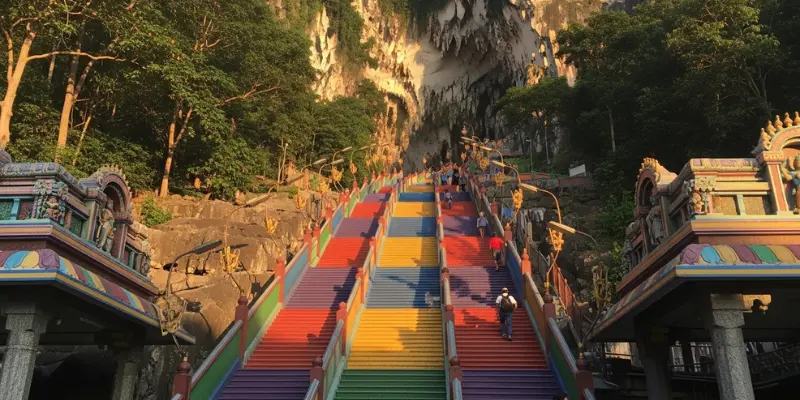
For most travelers, the best months to visit are during Malaysia’s dry season, roughly May through September. During this period, the skies tend to be clearer, the air is slightly less humid, and rainfall is more predictable, making both the climb and the views more comfortable. If you are a photography lover, heading there just after sunrise offers the prettiest light on the towering Lord Murugan statue and the textured limestone walls.
It is also smart to think about crowd levels and heat when planning your schedule. The late morning and early afternoon can be busier and hotter, especially in the tropical sun, since the open staircase faces direct light. Many travelers find that arriving before 9:00 AM not only gives a calmer, quieter experience but also helps you avoid hiring guides or taxis during peak hours, saving both time and money. Festivals such as the Thaipusam festival can be culturally fascinating but draw massive crowds in January and February, so plan carefully if you prefer a more relaxed visit.
Whether you are organizing a Kuala Lumpur day trip, planning transport costs, or building an itinerary that includes sunset views and local food stops, understanding the Batu Caves best time to visit and the opening hours helps you make the most of every moment under those ancient limestone cliffs.
5. Things to See & Do at Batu Caves
5.1 Rainbow Stairs & Lord Murugan Statue
One of the most iconic sights at Batu Caves is the 272-step rainbow staircase that leads up to the main temple. Each step is painted in a vibrant gradient, creating a photographer’s dream and a journey that feels like climbing into a spiritual realm. At the top, you will be greeted by the imposing 42.7-meter golden Lord Murugan statue, the tallest statue of the deity in Malaysia and the second tallest in the world. The statue’s sheer scale and golden shine make it impossible to ignore and perfect for Instagram-worthy shots.
Climbing the stairs may feel tiring under the Malaysian sun, so bring a water bottle and wear comfortable shoes. Early morning visits are ideal for avoiding the crowds and catching the soft natural light that enhances your photos. Along the way, pause and observe pilgrims performing rituals, offering a glimpse into the spiritual atmosphere that surrounds this sacred site.
5.2 Inner Temple & Caves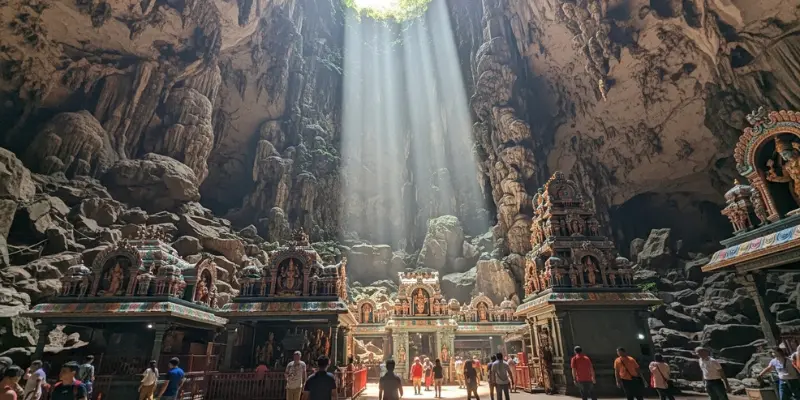
Once you reach the top, the main cave temple opens into a vast limestone cavern filled with shrines, colorful statues, and sacred rituals. The air is infused with the scent of burning incense, and the sunlight streaming through the cave openings creates a magical ambiance. Visitors are expected to remove their shoes and dress respectfully, as this is an active place of worship for the Malaysian Hindu community.
For nature enthusiasts, the Dark Cave offers an adventure into the untouched limestone formations of Batu Caves. Here, you can spot unique wildlife, including bats, spiders, and insects, guided by trained staff for a safe experience. Entrance to the Dark Cave requires a guided tour, costing approximately $10 to $15 USD, but it is worth it for wildlife spotting and geological insights.
5.3 Monkeys & Wildlife
The Batu Caves area is home to a lively troop of macaques, which can be both entertaining and mischievous. These monkeys roam freely, sometimes stealing snacks or small items, so it is crucial to keep valuables secure. Observing them from a distance provides fantastic photography opportunities, but do not attempt to feed or provoke them, as they remain wild animals. For travelers, especially solo visitors and families, staying alert while exploring the caves ensures a safe and enjoyable experience.
5.4 Ramayana Cave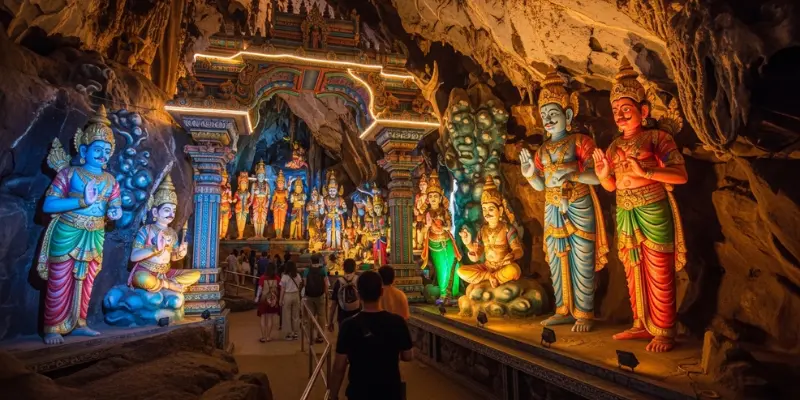
Many tourists miss the nearby Ramayana Cave, located just a short walk from the main temple. This cave features LED-lit statues and murals depicting the epic Hindu story of Ramayana, offering both cultural education and striking visuals. The entrance fee is 15 MYR (approximately $3 USD), making it an affordable addition to your Batu Caves itinerary. Unlike the main caves, this site is less crowded, allowing for a more immersive exploration and quieter reflection.
5.5 Special Events Thaipusam Festival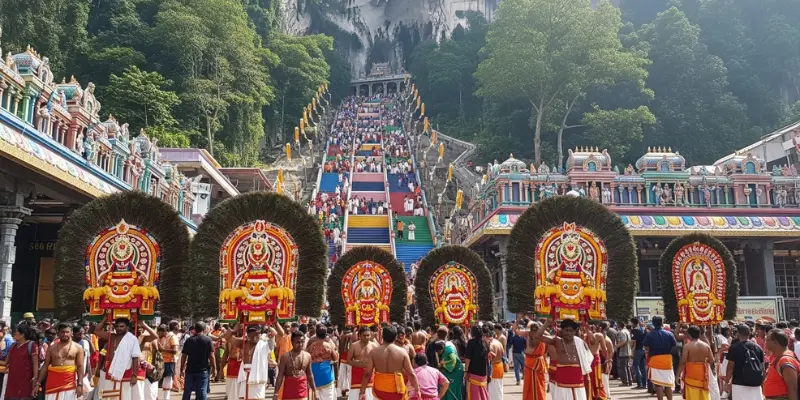
If you are visiting between January and February, you may witness the Thaipusam festival, one of Malaysia’s most spectacular Hindu celebrations. Millions of pilgrims gather to honor Lord Murugan, performing rituals that include piercings, kavadi offerings, and long processions. Attending this festival is a cultural experience unlike any other, but visitors should observe respectfully, maintain personal space, and consider joining a guided festival tour ($50 to $60 USD) for the best insights and safety.
The Batu Caves attractions offer a perfect mix of natural wonder, spiritual immersion, and photo-worthy experiences. From climbing the rainbow stairs to exploring the Dark Cave, interacting safely with the macaques, visiting the Ramayana Cave, and witnessing Thaipusam, every moment here can be unforgettable.
6. Money & Budget Guide for Visiting Batu Caves
Planning a visit to Batu Caves is easy on the wallet if you know the right options. For transport, the most economical choice is the KTM Komuter train, costing between RM 1 to 6 ($0.25 to $1.50 USD) depending on your starting station. Grab or taxi rides are faster and more comfortable, but the fare is slightly higher, especially during peak hours.
Accommodation around Batu Caves and Kuala Lumpur fits every budget. Backpackers can find hostels for $10 to 15 USD per night, while mid-range hotels range from $35 to 79 USD, offering comfort and convenience. Luxury stays can go beyond $100 USD, perfect for travelers who want a more indulgent experience.
Food options are also flexible. Local street food costs $2 to 5 USD, allowing you to taste authentic Malaysian flavors without overspending. For sit-down restaurants, expect $10 to 15 USD per meal.
Tours enhance your visit, especially if you prefer guided insights. Half-day group tours cost $35 to $57 USD, while private tours can reach around $110 USD. Most attractions are free: the main Batu Caves temple entry is free, but the Ramayana Cave requires 15 MYR ($3 USD), and the Dark Cave guided tour costs $10 to $15 USD.
This budget guide ensures you can plan your trip realistically, enjoy the caves fully, and capture every moment without unexpected expenses.
7. Accommodation Options
When planning a visit to Batu Caves, choosing the right accommodation can make your trip both comfortable and convenient. For travelers seeking luxury, Ceylonz Starlight Suites Bukit Bintang offers a stylish stay at $79+ USD per night, with modern amenities and easy access to Kuala Lumpur’s city highlights. Its central location allows you to explore KL city center before heading to the caves early in the morning.
For those preferring mid-range options, Mingle Highstreet provides a perfect balance of comfort and affordability, with rooms ranging from $35 to 45 USD. These hotels are ideal for travelers who want a clean, cozy room without breaking the bank, while staying close to public transport, restaurants, and shopping areas.
Budget travelers will find excellent options such as Sunshine Bedz or Penthouse on 34, with rates starting from $10 to 20 USD per night. These hostels offer a friendly, social environment and are well-suited for solo travelers or backpackers.
Tip: Staying in Bukit Bintang is highly recommended, as it serves as a central hub connecting to Batu Caves via KTM Komuter or Grab, saving both time and transport costs. No matter your budget, planning your stay strategically ensures more time enjoying the magnificent caves, the rainbow stairs, and the majestic Murugan statue rather than commuting.
8. Food & Dining Tips Near Batu Caves
When visiting Batu Caves, one of the most important things to plan is where to eat and how to enjoy authentic Malaysian cuisine without letting the mischievous monkeys steal your food. The area around the Batu Caves base is dotted with local street food stalls, serving quick snacks such as fried noodles, roti canai, and satay sticks, usually costing $2 to 5 USD per item. These options are perfect for a light meal before or after climbing the 272 steps.
For those looking for a more relaxed dining experience, small restaurants and cafés nearby offer Malaysian curries, rice dishes, and fresh juices, with meals averaging $10 to 15 USD per person. It is highly recommended to avoid eating on the stairs or in open areas where monkeys can snatch your food, ensuring both your safety and hygiene.
Carrying a water bottle is a smart choice, especially during the hot and humid months, with refill costs around $1 to 2 USD at stalls or shops. This allows you to stay hydrated while exploring the caves and temples. Overall, the combination of street food, affordable restaurants, and smart precautions ensures that your culinary experience at Batu Caves is enjoyable, safe, and budget-friendly.
9. Visitor Tips for Batu Caves
Visiting the Batu Caves is a journey that combines adventure, culture, and a touch of the unexpected. To make the most of your experience, planning ahead and following practical tips can transform your visit from ordinary to unforgettable.
Dress Code & Footwear: Respecting local customs is essential. Cover your knees and shoulders; you can rent a sarong at the temple if needed. Comfortable shoes are a must you will be climbing the 272 rainbow-colored steps to reach the main cave. Remember to remove your shoes before entering the temple areas to honor the sacred spaces.
Hydration & Sun Protection: Malaysia’s heat is intense, especially on the open steps. Carry a water bottle, apply sunscreen, and consider a light hat or umbrella. Early morning visits not only help avoid crowds but also keep you cool while capturing the perfect photographs of the Murugan statue.
Safety & Navigation: Solo travelers and women should stay vigilant. Keep valuables secure from the playful but opportunistic monkeys, and avoid carrying excessive cash or gadgets. Using Google Maps or Rome2Rio ensures you navigate efficiently, especially if you are combining public transport with a visit.
Cultural Etiquette: Show respect for the rituals. Avoid loud conversations inside the caves, and do not touch offerings or religious objects. Festivals like Thaipusam bring massive crowds, so plan your visit accordingly. Observing from a respectful distance allows you to witness the spectacle safely.
Monkey & Crowd Management: Monkeys roam freely around the Batu Caves; they are curious and sometimes aggressive. Do not feed or provoke them, and always keep your belongings close. When the site is busy, maintain awareness of your surroundings and allow slower climbers or worshippers to pass without obstruction.
Following these practical Batu Caves tips ensures your visit is safe, enjoyable, and culturally respectful, letting you immerse fully in one of Malaysia’s most iconic natural and spiritual wonders.
Special Events & Thaipusam Festival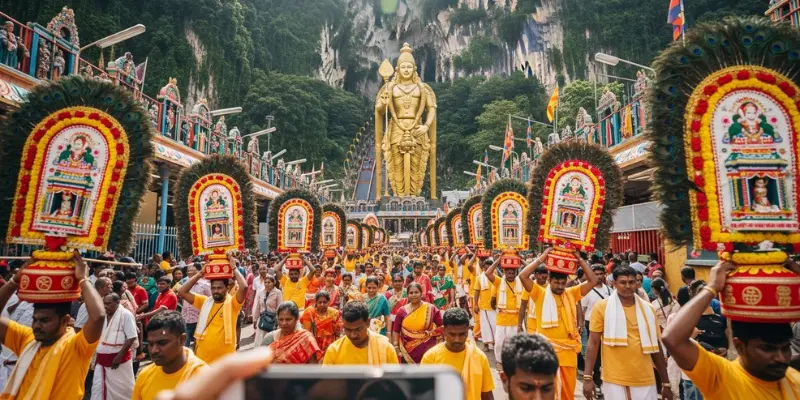
Every year, the Batu Caves transforms into a vibrant and spiritual hub during the Thaipusam festival, held on the first full moon of the Tamil month, usually falling between January and February. This is when millions of devotees make a pilgrimage from across Malaysia and beyond, offering kavadi, a symbolic burden of devotion, to Lord Murugan. Some carry elaborately decorated structures, while others undergo piercings of the skin, tongue, or cheeks as acts of faith.
If you plan to witness the festival, arrive early to navigate the massive crowds safely. Using public transport or organized tours is highly recommended, as roads and parking near Batu Caves become heavily congested. For photographers, early morning light enhances the colorful spectacle while allowing for respectful and unobstructed shots of the processions.
Culturally, Thaipusam at Batu Caves is more than a festival; it is a profound Hindu pilgrimage experience and a living tradition that showcases Malaysia’s rich religious heritage. Observing the rituals offers deep insight into the devotion of the local Hindu community, from ceremonial chants to ritual offerings.
For first-time visitors, stay hydrated, respect the devotees, and keep your belongings secure. Even in the crowds, patience and cultural sensitivity will ensure a memorable and safe experience at one of Malaysia’s most iconic Hindu events.
FAQ’s
How much time is needed to explore Batu Caves?
Most visitors spend 2 to 3 hours exploring the rainbow stairs, main cave temple, and surrounding attractions.
Is Batu Caves suitable for kids and families?
Yes, families and children can visit, but parents should supervise kids while climbing the 272 steps and around monkeys.
What is the best way to reach Batu Caves?
The KTM Komuter train from Kuala Lumpur Sentral is the cheapest option, while Grab taxis or guided tours offer faster and more comfortable travel.
Are monkeys dangerous at Batu Caves?
Monkeys are generally harmless but curious; do not feed them and keep food, phones, and bags secure.
Can you visit Batu Caves for free?
Yes, entry to the main Batu Caves temple is free, but Ramayana Cave costs about 15 MYR (~$3 USD).
Is there a dress code for Batu Caves?
Yes, visitors should cover knees and shoulders; sarongs can be rented at the entrance if needed.
Is entry to Batu Caves free?
Yes, the main temple cave is free, making it one of the most affordable attractions in Kuala Lumpur.
How long does it take to climb Batu Caves?
Climbing the 272 colorful steps usually takes 10 to 20 minutes, depending on your pace and photo stops.
How much does it cost to enter Batu Caves?
The main cave is free, while special caves like Ramayana Cave charge a small entrance fee.
Exact Batu Caves Opening Time: Malaysia’s Rainbow Stairs and Murugan Statue
Related Posts

Short Getaway from KL: 32 Best Weekend Trips & Day Escapes
Feeling overwhelmed by the fast-paced life in Kuala Lumpur? A short getaway from KL is…
Thean Hou Temple Hawker Stalls: Food, Tips and Attractions
Welcome to Thean Hou Temple Honestly, stepping off the bustling streets of Kuala Lumpur and…
Herbarium Taman Botani Perdana: Complete Visitor Guide 2026
Nestled in the heart of Kuala Lumpur, Herbarium Taman Botani Perdana is a serene green…