
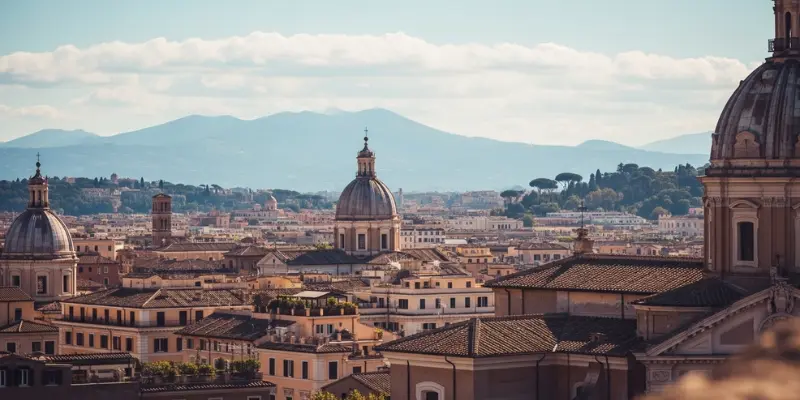
14 Day Italy Itinerary (Rome, Venice, Florence And Amalfi Day-by-Day Plan)
Planning your 14 day Italy itinerary can feel exciting at first, but it quickly becomes overwhelming when you realize how much this country truly offers. From the ancient ruins of Rome to the romantic canals of Venice and the breathtaking Amalfi Coast, Italy is not just one destination; it is a complete travel experience that requires smart planning and clear direction.
If you are wondering whether 14 days is enough in Italy, the honest answer is yes. 14 days is ideal for a first-time Italy trip when planned correctly. It provides the perfect balance between exploring iconic highlights and avoiding a rushed itinerary that feels stressful or exhausting.
A classic route through Italy follows a smooth and logical journey from north to south, helping you save time and travel more efficiently:
Rome → Florence → Venice → Amalfi Coast
This route works well because it reduces unnecessary travel backtracking and allows you to experience Italy in a natural flow. It also makes use of Italy’s high-speed train system, which is efficient, comfortable, and budget-friendly, typically costing around €20 to €80 per journey depending on timing and class.
In this Italy travel guide for 2 weeks, you will find a carefully structured day-by-day itinerary designed to help you experience Italy in a balanced and realistic way. It includes must-visit landmarks, cultural highlights, and practical travel pacing so that your trip feels enjoyable rather than rushed or overwhelming.
Whether this is your first visit to Italy or you are simply looking for a more structured and efficient travel plan, this guide is designed to remove confusion and give you clarity. Instead of spending hours searching and piecing together information, you get a complete roadmap that allows you to focus on what truly matters: enjoying Italy’s history, food, landscapes, and unforgettable atmosphere.
HOW 14 DAYS IN ITALY REALLY WORKS
Understanding how a 14 day Italy itinerary actually works is the key to planning a smooth and enjoyable trip. Italy may look small on a map, but in reality, it is a long country with multiple regions that require smart travel planning. Without a clear structure, it becomes very easy to waste time in transit instead of enjoying the destinations.
The most efficient way to explore Italy is to follow a north-to-south travel flow, which naturally connects major highlights without unnecessary backtracking. This is why routes like Rome → Florence → Venice → Amalfi Coast are widely used. They reduce travel stress and allow each city to be explored properly before moving forward.
Most long-distance travel inside Italy is done through a modern high-speed train system, which is fast, reliable, and comfortable. Major cities are well connected, and in most cases, flights are not required at all. The typical Italy train travel cost ranges from approximately €20 to €80 per journey, depending on how early tickets are booked, travel class, and route demand.
When building your Italy itinerary planning, the most practical approach is to stay at least 2 to 4 nights in each city. This creates a balanced rhythm where travel days are followed by proper exploration days instead of constant movement. This night-based planning system is what makes a 14-day journey realistic rather than overwhelming.
It is also important to understand travel fatigue. The first one or two days are usually slower due to flights and time adjustment. Moving too quickly between cities can reduce the overall experience and make the trip feel rushed instead of enjoyable.
For sightseeing and guided experiences, optional tours in Italy typically range from €80 to €300 per day, depending on activities such as museum entries, skip-the-line access, food tours, or guided excursions.
In the end, the question of how many days in Italy is ideal has a simple answer: fourteen days provides the perfect balance between coverage and comfort when planned with a structured route and realistic pacing.
BEST 14 DAY ITALY ROUTE OVERVIEW
The most effective Italy 2 week itinerary map follows a clear north-to-south travel flow that keeps the journey organized, efficient, and easy to follow. This structure is designed to reduce travel fatigue while ensuring you experience Italy’s most iconic cities in a logical sequence.
The recommended Rome Florence Venice Amalfi route is widely used because it aligns perfectly with Italy’s high-speed train network, making city transitions smooth and time-efficient.
Below is a simple breakdown of the full 14-day journey:
14 Day Italy Itinerary Overview (Day-by-Day Plan)
| Days | Destination | Experience Focus |
| Days 1 to 3 | Rome | Colosseum, Vatican City, ancient history |
| Days 4 to 6 | Florence + Tuscany | Duomo, Uffizi, wine tours, countryside |
| Days 7 to 9 | Venice | Canals, St. Mark’s Square, islands |
| Days 10 to 12 | Amalfi Coast | Positano, Amalfi, Ravello, Capri |
| Days 13 to 14 | Flexible Exit | Rome revisit, Milan, or Lake Como |
This route works because it avoids unnecessary backtracking and follows Italy’s natural geography from north to south. Each destination is allocated enough time for both sightseeing and rest, which is essential for a balanced travel experience.
High-speed trains connect all major cities efficiently, making this one of the most practical ways to experience a 14 day Italy itinerary without internal flights.
The structure also ensures you see Italy’s full personality from ancient Roman history to Renaissance art and Mediterranean coastal beauty all in one continuous journey.
DAY-BY-DAY ITALY ITINERARY
This is the complete 14 day Italy itinerary breakdown, designed to balance travel time, sightseeing, and real-world experience. Each city is structured with clear highlights, travel flow, and realistic cost expectations so you can plan confidently without confusion.
DAYS 1 to 3: ROME (ANCIENT HISTORY START)
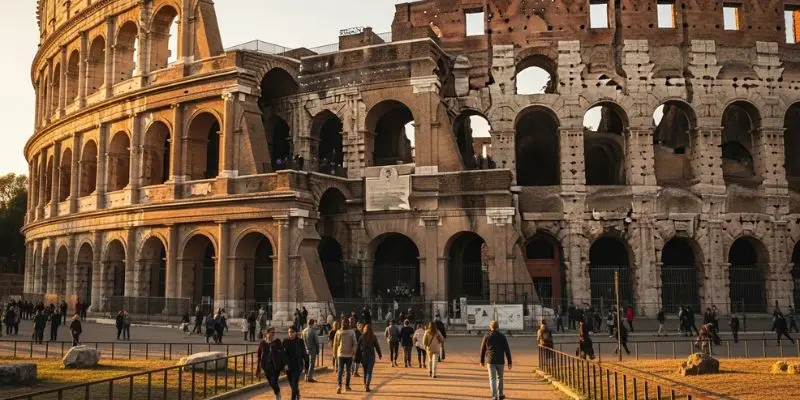
Rome is the perfect starting point for your Rome itinerary 3 days, as it introduces Italy through history, culture, and iconic landmarks.
What you will explore:
- Colosseum
- Roman Forum
- Vatican City
- Pantheon
Rome is a city where almost every corner feels like an open-air museum. The Colosseum and Roman Forum give a deep look into ancient civilization, while Vatican City adds artistic and spiritual depth to your journey.
Rome Cost Guide:
| Item | Estimated Cost |
| Entry Tickets | €30 to €120 |
| Guided Tours | €50 to €150 |
| Vatican Experience | €40 to €100 |
DAYS 4 To 6: FLORENCE + TUSCANY (RENAISSANCE HEART)
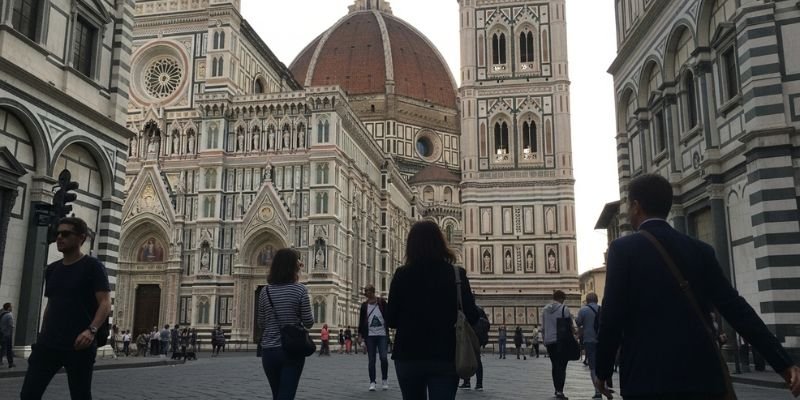
Florence is the center of art, architecture, and Renaissance history. It also connects easily to Tuscany countryside experiences.

What you will explore:
- Duomo Florence
- Uffizi Gallery
- Ponte Vecchio
- Tuscany wine region
- Optional Pisa or Siena
Florence And Tuscany Cost Guide:
| Item | Estimated Cost |
| Museums | €15 to €30 |
| Wine Tours | €70 to €150 |
| Day Trips | €50 to €120 |
DAYS 7 To 9: VENICE (CANAL CITY EXPERIENCE)
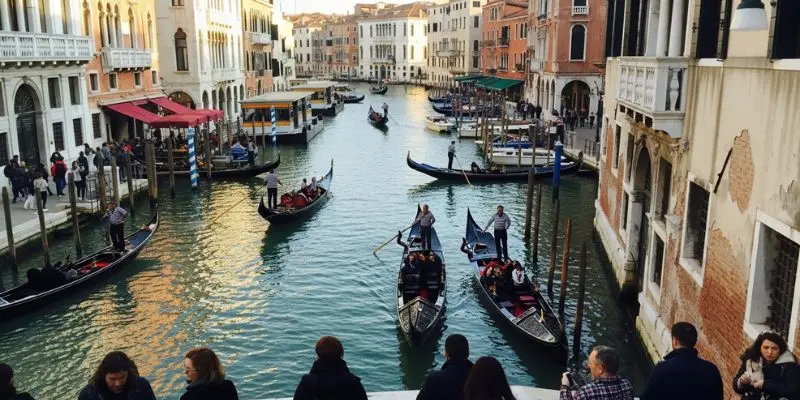
Venice offers a completely unique travel experience built around canals, bridges, and timeless architecture.
What you will explore:
- St. Mark’s Square
- Doge’s Palace
- Murano Island
- Burano Island
Venice Cost Guide:
| Item | Estimated Cost |
| Gondola Ride | €80 to €120 |
| Boat Tours | €40 to €150 |
| Entry Tickets | €25 to €60 |
DAYS 10 To 12: AMALFI COAST (COASTAL BEAUTY)
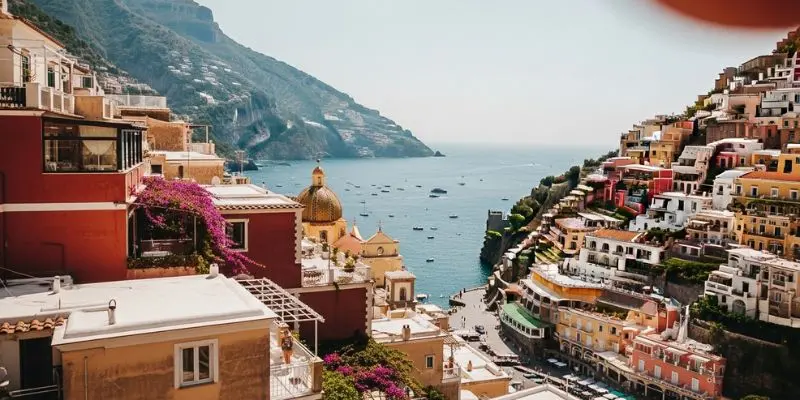
The Amalfi Coast is the most scenic part of your Amalfi Coast itinerary 3 days, combining luxury views, coastal towns, and island experiences.
What you will explore:
- Sorrento (base location)
- Positano
- Amalfi Town
- Ravello
- Capri (optional day trip)
Amalfi Cost Guide
| Item | Estimated Cost |
| Ferries | €15 to €30 |
| Daily Tours | €100 to €300 |
| Capri Boat Tours | €80 to €200 |
DAYS 13 To 14: FLEX DAYS (CUSTOM ENDING)
These final days give flexibility depending on your interest, travel pace, or flight route.
Options:
- Return to Rome
- Milan city experience
- Lake Como relaxation
Flexible Cost Guide:
| Option | Estimated Cost |
| Milan Trip | €50 to €150 |
| Lake Como | €60 to €200 |
| Rome Return Activities | €30 to €100 |
COMMON MISTAKES
Planning a 14 day Italy itinerary can be one of the most exciting travel experiences, but many first-time travelers make avoidable mistakes that reduce the overall quality of their trip. Understanding these issues in advance will help you follow better Italy itinerary tips and enjoy a smoother journey.
1. Overpacking Cities
One of the most common Italy travel mistakes is trying to include too many destinations in a short time. Italy may look small on a map, but each city has deep history and requires time to truly experience. Constantly moving between cities leads to fatigue and reduces your ability to enjoy iconic locations like Rome, Florence, or Venice.
2. Poor Train Planning
Many travelers underestimate the importance of Italy’s train system. Not booking tickets early or misunderstanding station names can lead to delays or higher costs. High-speed trains are efficient, but only when planned correctly within your Italy itinerary planning strategy.
3. Skipping Advance Bookings
Popular attractions such as the Colosseum, Vatican Museums, and major Venice landmarks often sell out in advance. Waiting until arrival can result in long queues or missed experiences. Pre-booking is essential for a stress-free trip.
4. Underestimating Travel Time
Even though Italy is well connected, travel between cities still takes several hours when you include station transfers, check-ins, and local transport. Many travelers lose half a day simply moving between destinations without realizing it.
Final Insight
Avoiding these common mistakes ensures your Italy travel mistakes are minimized and your 14-day journey feels balanced, enjoyable, and well-paced. The goal is not just to see Italy, but to experience it without unnecessary stress or rushed decisions.
REAL COST BREAKDOWN
Understanding the Italy travel budget 14 days is one of the most important parts of planning your trip. Italy can be experienced in different budget ranges, but having a realistic breakdown helps you avoid surprises and plan your journey with confidence.
Most travelers underestimate how costs vary depending on season, location, and travel style. Below is a clear and practical breakdown of the Italy trip cost per person, based on real travel patterns across major cities like Rome, Florence, Venice, and the Amalfi Coast.
Accommodation Costs (Hotels And Stays)
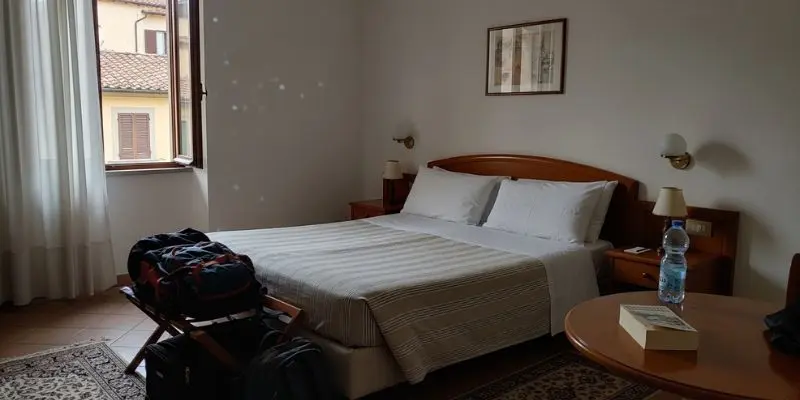
Hotels in Italy vary widely depending on location and comfort level.
- Budget hotels: €80 to €150 per night
- Mid-range hotels: €150 to €250 per night
- Luxury stays: €250 to €300+ per night
Cities like Venice and Amalfi Coast are usually more expensive compared to Rome or Florence.
Food And Dining Costs

Food in Italy is both affordable and high quality if planned wisely.
- Budget meals: €15 to €25 per meal
- Mid-range dining: €25 to €50 per meal
- Fine dining: €50+ per meal
Local trattorias and street food options help reduce daily expenses significantly.
Transport Costs (Trains And Transfers)
Italy’s high-speed train system is efficient and widely used for city travel.
- Train journeys: €20 to €80 per route
- City transfers / taxis: €10 to €40
- Ferry rides (Amalfi/Capri): €15 to €30
Early booking often reduces transport costs significantly.
Tours To Experiences
Guided tours and attractions add depth to your experience.
- Standard tours: €30 to €80
- Premium guided tours: €80 to €150+
- Private or luxury experiences: €150 to €300+
Popular attractions like the Colosseum, Vatican Museums, and Amalfi boat tours often fall into the higher range.
Final Budget Insight
A complete Italy trip cost per person for 14 days typically ranges from budget travel to premium experiences depending on choices. Structured planning helps control costs while still enjoying Italy’s most iconic destinations.
WHY THIS ITINERARY WORKS
This 14 day Italy itinerary works because it is designed as a balanced travel flow, not a random list of cities. Many travelers make the mistake of trying to fit too many destinations into Italy, which leads to exhaustion, wasted travel time, and a lack of real experience in each place. This structure avoids that completely.
The route follows a natural north-to-south geographic progression: Rome → Florence → Venice → Amalfi Coast. This is important because it reduces unnecessary backtracking and ensures every movement across the country feels logical and time-efficient. Instead of zig-zag travel, you move forward in one continuous direction, saving both time and energy.
Train efficiency is another major advantage of this itinerary. Italy’s high-speed rail network connects major cities in a fast and comfortable way, with travel times often ranging from 1 to 3 hours between destinations. This means less time in transit and more time actually experiencing cities rather than commuting.
The pacing is also carefully structured to prevent travel fatigue, which is one of the most common issues in multi-city Europe trips. By spending 2 to 3 nights in each destination, the itinerary gives you enough time to explore key landmarks without rushing, while still maintaining variety so the journey never feels repetitive.
Ultimately, this itinerary works because it balances three critical factors: distance efficiency, cultural depth, and energy management. You are not just seeing Italy you are experiencing it in a way that feels smooth, connected, and realistically enjoyable for first-time travelers.
PACKING AND TRAVEL TIPS

Packing smart for a 14 day Italy itinerary is just as important as planning your route, because Italy is a country where you will walk a lot, move between cities frequently, and switch transport multiple times. A light and practical packing approach makes the entire journey far more comfortable.
First, comfortable walking shoes are non-negotiable. Cities like Rome, Florence, and Venice are full of cobblestone streets, uneven paths, and long walking distances. Poor footwear can easily ruin your daily experience, so prioritize support and comfort over style.
For transport, keep in mind that Italy’s train system is efficient, but you will be handling luggage frequently. A medium-sized suitcase or backpack is ideal. Avoid overpacking, as carrying heavy bags through train stations and staircases can become exhausting, especially in Venice where bridges replace roads.
A major travel hack is using an eSIM or local SIM card before arrival. This ensures you stay connected for maps, train schedules, and hotel check-ins without relying on public WiFi.
Train travel becomes much smoother when you book tickets in advance. High-speed routes between major cities often vary in price, so early booking can save both money and stress.
Finally, pack light layers instead of heavy clothing. Italy’s weather can shift between regions, and flexibility is more valuable than bulk.
With the right packing strategy, your Italy trip becomes not just easier but far more enjoyable and stress-free.
FAQ’s
1. Is 14 days enough in Italy?
- Yes, it’s the “sweet spot” for first-time travelers
- Enough for 4 major regions (Rome, Florence, Venice, Amalfi)
- Mention pacing + train efficiency
2. Is 2 weeks enough to see Italy?
- Enough for highlights, not full Italy
- Italy is “region-based” not city-based travel
- Ideal balance of experience vs exhaustion
3. What is considered impolite in Italy?
- Avoid loud behavior in churches
- Don’t skip greetings (“Buongiorno”, “Grazie”)
- Dress modestly in religious places
- Don’t sit randomly on historical monuments
4. Is $5000 enough for a trip to Italy?
- Yes for mid-range travel (2 weeks per person)
- Budget depends on:
- Hotels
- Train vs flights
- Tours vs self-exploring
- Mention cost flexibility
5. What is the best month to visit Italy for 2 weeks?
- April to June and September to October
- Avoid peak summer crowds + high prices
6. Should I rent a car or use trains in Italy?
- Trains are better for cities (Rome, Florence, Venice)
- Car only useful for Tuscany countryside or Puglia
- Amalfi Coast is better with ferries + buses
7. How many cities should I visit in 14 days Italy trip?
- Ideal: 3 to 5 destinations max
- Too many stops = travel fatigue
8. What is the best first-time Italy itinerary route?
- Rome → Florence → Venice → Amalfi Coast
- Optional: Milan or Lake Como extension
CONCLUSION
A 14 day Italy itinerary is one of the most balanced ways to experience the country for first-time travelers. It gives you enough time to explore iconic cities like Rome, Florence, Venice, and the Amalfi Coast without feeling rushed, while still keeping the journey structured and efficient.
This guide is designed to give you clarity, not confusion. Instead of guessing routes or mixing random destinations, you now have a complete travel flow that follows logical geography, efficient train connections, and realistic pacing. It is built to help you experience Italy in a smooth and enjoyable way.
However, the best part of any Italy trip is flexibility. You can always adjust this itinerary based on your travel style, budget, or interests. Some travelers may prefer more time in Tuscany, while others may extend their stay in the Amalfi Coast or add Lake Como for a different experience.
In the end, this itinerary is not just a plan it is a foundation. Your journey will become unique the moment you step into Italy, taste its food, and explore its streets at your own pace.
14 Day Italy Itinerary (Rome, Venice, Florence And Amalfi Day-by-Day Plan)
Related Posts
How Many Days in Cinque Terre? What Most Travelers Miss
If you are wondering how many days in Cinque Terre you really need, the short…
Milan Day Trips: 6 Best Places to Visit, Travel Tips 2026
If you are searching for the best Milan day trips, here is a quick and…
Sorrento and Amalfi Coast Things to Do: 2026 Ultimate Travel Guide
The first time I set foot in Sorrento and the Amalfi Coast, I felt like…