
Places to Visit in China Beijing: Forbidden City, Great Wall, Hutongs & Culinary Delights
Beijing is a city where ancient history meets modern life. From the grand halls of the Forbidden City to the lively streets of Wangfujing, every corner has a story. On my 3-day trip, I walked through old Hutongs, admired imperial buildings, and tasted the city’s famous Peking Duck. At the same time, I could see modern skyscrapers rising nearby.
This guide to places to visit in China Beijing will show you the best Beijing attractions and hidden spots. You will find the things to do in Beijing that make your trip special. I’ll share tips on food, culture, day trips, budget, and getting around the city. Whether it is your first visit or a return trip, this guide will help you plan a trip that is easy, fun, and full of amazing experiences.
Best Time to Visit Beijing & Travel Planning Tips
Beijing is a city of contrasts, where ancient palaces meet buzzing streets. The best time to visit Beijing is in spring (April to May) or autumn (September to October). The weather is pleasant, skies are clearer, and pollution is lower, making sightseeing much more enjoyable. Avoid winter for harsh cold or summer for intense heat.
For a first-time visitor, 3 to 7 days is ideal to explore the top attractions, wander the historic Hutongs, and enjoy Beijing’s culinary delights. Getting around is easy the subway costs around $0.50 to 1.00 USD per ride, while short taxi trips are $2 to 5 USD. Make life easier with an e-sim card or offline maps so you can navigate streets and public transport without stress.
Plan ahead, pack layers, and you’ll have the perfect Beijing itinerary ready to dive into the city’s vibrant culture.
Top 11 Must-Visit Places in Beijing with Costs & Insider Tips
Forbidden City Beijing Historic Landmark & Cultural Experience
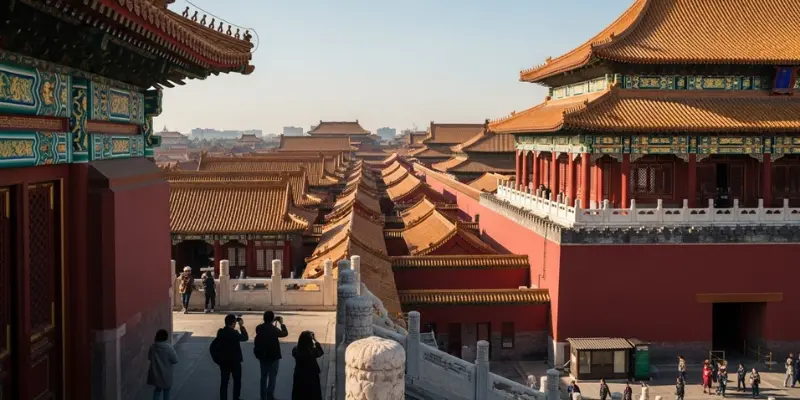
Stepping into the Forbidden City Beijing feels like entering a living time capsule. This vast palace complex, with its golden rooftops and endless courtyards, is the heart of China’s imperial history. I arrived early in the morning to beat the crowds and watched the first sunlight glinting off the main halls it was magical.
Tickets cost around $10 to 15 USD, and a guided tour can be booked for $18 USD, which is worth it to truly understand the stories behind the ancient halls and emperor’s chambers. If you want a unique perspective, head to Jingshan Park ($1 USD entry) right across from the palace. From there, the entire Forbidden City stretches beneath you, perfect for sunrise or panoramic photos.
I spent nearly three hours exploring the main courtyards, intricate gates, and hidden nooks. A quick tip: start at the Meridian Gate and work your way north, avoiding peak hours around noon. The Forbidden City is not just a sightseeing spot it’s a walk through China’s rich history and culture, a must for anyone visiting Beijing attractions or following a Beijing sightseeing itinerary.
Tiananmen Square Beijing Iconic Historical Spot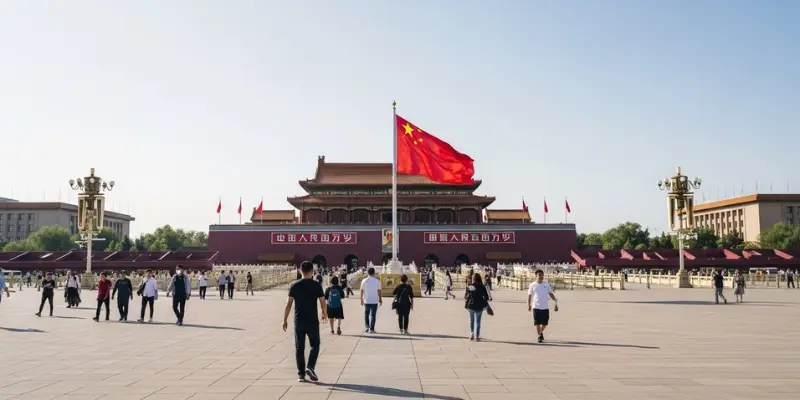
Standing in Tiananmen Square Beijing, you feel the pulse of China’s history. This vast open space is the largest public square in the world, flanked by monuments like the Monument to the People’s Heroes and the Great Hall of the People. Entry is free, though visiting the Chairman Mao Memorial Hall costs about $2 to 3 USD.
I recommend arriving early in the morning to capture photos without crowds. From here, the Forbidden City is just north, making it easy to combine visits. Walking the square, you notice every detail from the flags to the grand gates each telling a story of China’s past. Tiananmen Square is not just a must-see for history lovers but also a top spot for anyone exploring places to visit in Beijing or Beijing attractions.
Temple of Heaven Beijing Spiritual & Scenic Park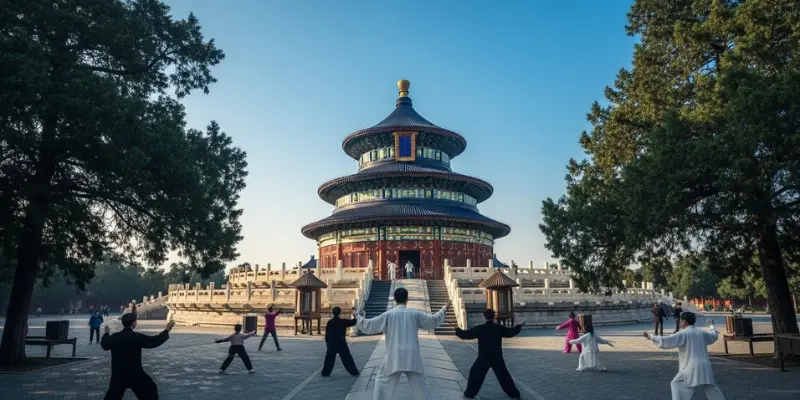
The Temple of Heaven Beijing is a serene escape from the city’s hustle, where history and culture meet under wide, open skies. Entry is just $5 USD, making it a budget-friendly must-visit. Arrive early in the morning to see locals practicing tai chi, a magical experience that feels like stepping back in time.
The Hall of Prayer for Good Harvests, with its circular design and intricate roof, is the centerpiece and perfect for photography. Wander through the surrounding gardens and watch sunlight filter through ancient cypress trees, creating picture-perfect moments.
Nearby, you can combine your visit with Lama Temple or explore local markets. Whether you’re seeking peaceful reflection or snapping iconic shots, Temple of Heaven is a top highlight for Beijing sightseeing and one of the best things to do in Beijing.
Lama Temple Beijing & Yonghegong Street Tibetan Culture & Street Shopping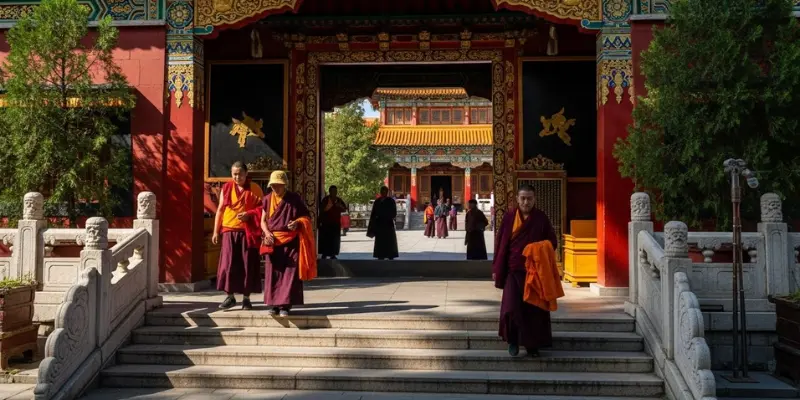
Lama Temple, also called Yonghe Temple, is a serene escape in Beijing’s bustling heart. Entry is only $2 to 3 USD, making it a must-visit for culture lovers. This Tibetan Buddhist temple amazes with its intricate carvings, towering statues, and quiet prayer halls. I arrived early and watched monks chant while sunlight poured through colorful windows it felt like stepping back in time.
After exploring the temple, stroll along Yonghegong Street where local shops and snack stalls bring the area to life. Sample traditional treats or pick up handcrafted souvenirs while soaking in the lively atmosphere. A guided or self-walking tour here costs nothing extra but leaves a lasting impression.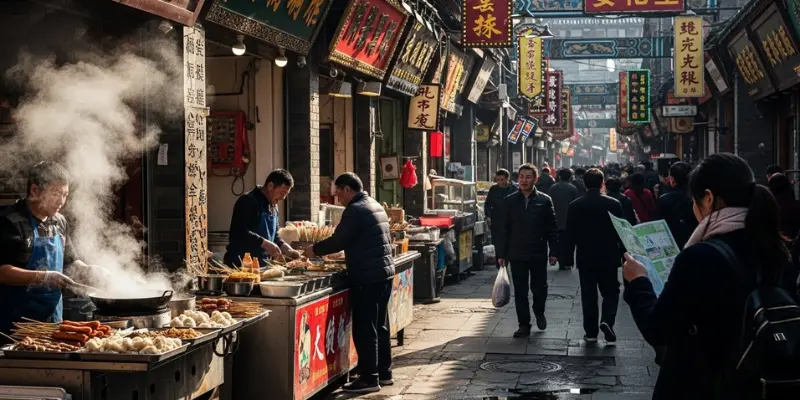
Summer Palace Beijing Royal Gardens & Lake Views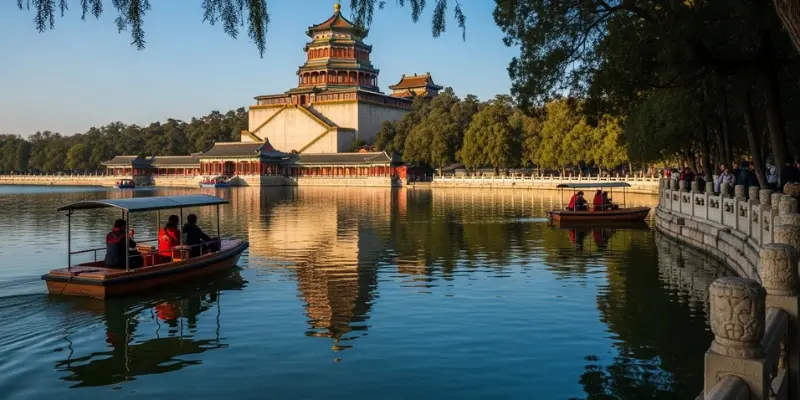
The Summer Palace in Beijing is a breathtaking blend of imperial history and serene nature. Walking along the Longevity Hill and the Kunming Lake, I felt like I had stepped into a painting. Entry costs around $8 to 12 USD, and if you want to glide across the calm waters, a boat ride adds $5 to 10 USD, offering a perfect vantage point for photography.
I recommend arriving early in the morning to avoid crowds and catch the soft light reflecting on the lake. Explore the Long Corridor, adorned with intricate paintings, and don’t miss the iconic Marble Boat, a unique architectural gem. For a truly immersive experience, spend a few hours strolling through the gardens, watching locals practice tai chi, and soaking in the tranquil ambiance.
Great Wall of China Beijing Mutianyu & Jinshanling Adventures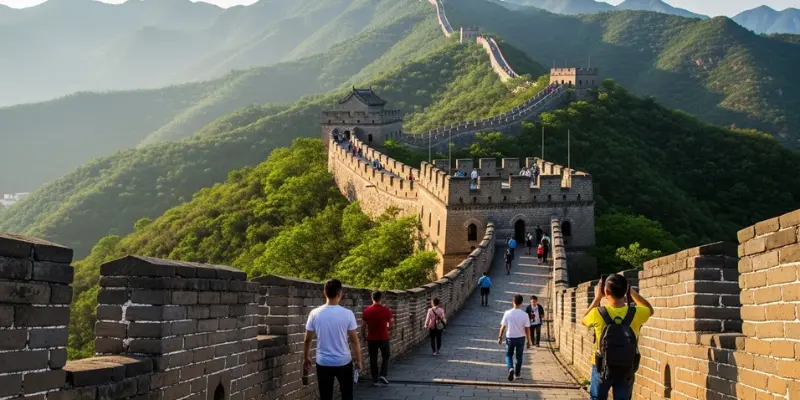
Standing on the Great Wall of China is an unforgettable experience. I started at Mutianyu, which is less crowded than Badaling. A guided tour costs around $12 USD, and the cable car ($6 to 8 USD) makes the steep climb effortless. For a bit of thrill, I took the toboggan down ($5 USD) it felt like sliding through history!
For a more adventurous trek, Jinshanling offers rugged paths and stunning views. Guided tours here are around $20 to 25 USD, perfect for photography enthusiasts and those wanting a quieter, scenic hike.
Pro tip: Avoid Badaling, as it is overcrowded and lacks the peaceful charm of Mutianyu or Jinshanling. Bring water, wear sturdy shoes, and allow at least half a day to fully enjoy the experience. The views of rolling mountains, ancient watchtowers, and the winding wall stretching to the horizon make every step worth it.
Hutongs Beijing & Nanluoguxiang Walkable Streets & Local Life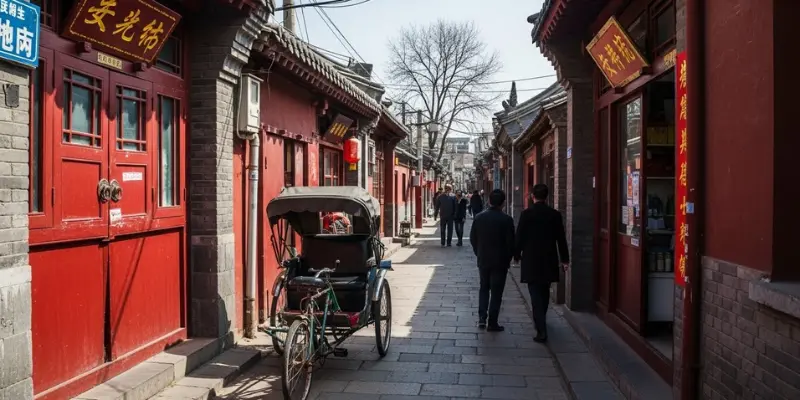
Wandering through Beijing’s Hutongs is like stepping back in time. Narrow alleys, traditional courtyard homes, and the scent of local street foods create an authentic glimpse of city life. Nanluoguxiang, one of the most famous hutongs, is perfect for a stroll, with quirky cafés, souvenir shops, and tea houses tucked between historic walls. A rickshaw ride costs around $5 to 10, while guided walking tours are roughly $20, offering stories of Beijing’s rich past. Visit early in the morning to enjoy peaceful streets and capture the perfect photos. Exploring these alleys is not just sightseeing it is a journey into Beijing attractions, local culture, and the city’s everyday charm.
Beijing Food Experiences Peking Duck, Hot Pot & Street Snacks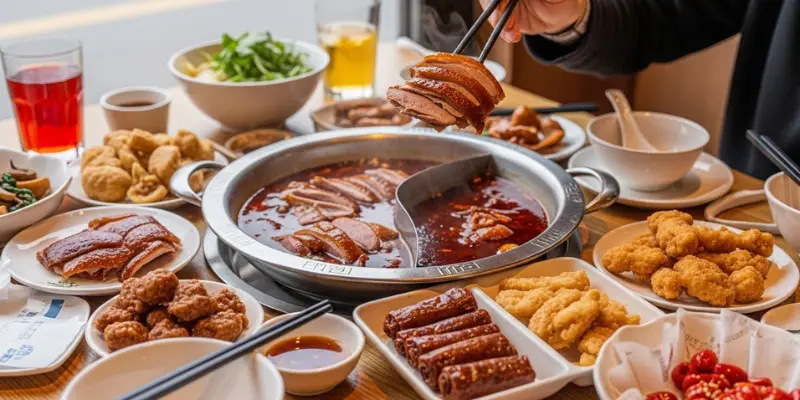
No trip to Beijing is complete without tasting its legendary food. I still remember biting into the crispy skin of Peking Duck at Quanjude, the savory aroma filling the room and the tender meat melting in my mouth. A full Peking Duck meal costs around $30 to 50 USD, but it’s worth every bite.
For a more interactive experience, Hot Pot is a must. Sitting around a steaming pot with fresh ingredients, you cook your own food and savor it right away. A Hot Pot meal typically costs $10 to 20 USD per person.
Street food lovers will adore Wangfujing Street, where snacks like dumplings, skewers, and the unique Luosifen (around $3 USD) make exploring the night markets unforgettable. I also tried local drinks like Hua Jiu fruit wine ($5 to 8 USD) while wandering through neon-lit alleys it felt like tasting Beijing in a sip.
From high-end dining to bustling night markets, Beijing food experiences offer a delicious journey into its culture and everyday life, perfect for foodies and first-time travelers alike.
Night Markets Beijing Donghuamen & Wangfujing Street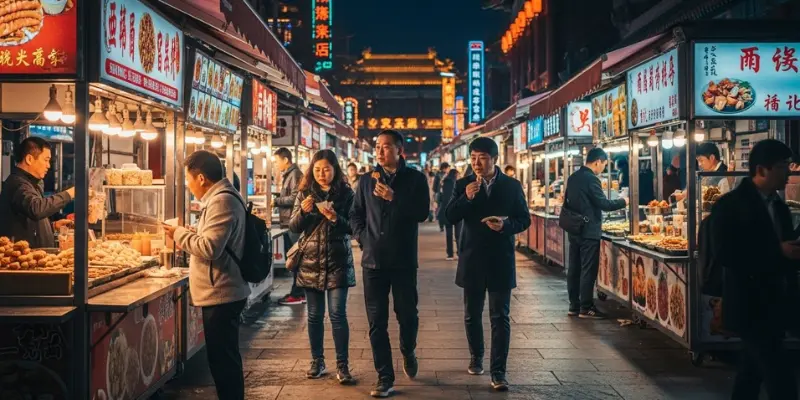
Beijing changes its mood after sunset, honestly in a good way. I still remember my first evening walk around Wangfujing Street Beijing. The lights were bright, the air smelled like grilled meat, and people were everywhere. This is one of those things to do in Beijing that feels alive, not planned.
At the night markets, snacks usually cost around $1 to 5 USD. You can try skewers, dumplings, sweet pancakes, and even some unusual local bites if you feel curious. Donghuamen feels more traditional, while Wangfujing feels busy and modern. My tip is simple. Go slow, watch how locals eat, and always carry small cash. It makes the experience smoother and more fun.
Museums Beijing Culture & History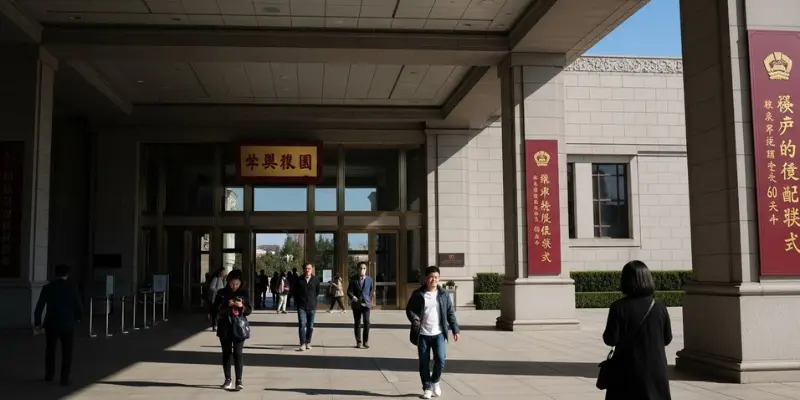
Museums in Beijing help you understand the city beyond temples and streets. I visited the National Museum of China after exploring Tiananmen Square, and it honestly slowed everything down in a good way. Entry is mostly free, though some special exhibitions cost around $2 to 3 USD. Inside, you walk through thousands of years of Chinese history under one roof.
The Capital Museum and the Science and Technology Museum are also worth your time, with tickets around $2 to 5 USD. These museums fit perfectly into a relaxed Beijing travel guide and balance busy Beijing sightseeing days.
Jingshan Park Beijing Panoramic Views & Photography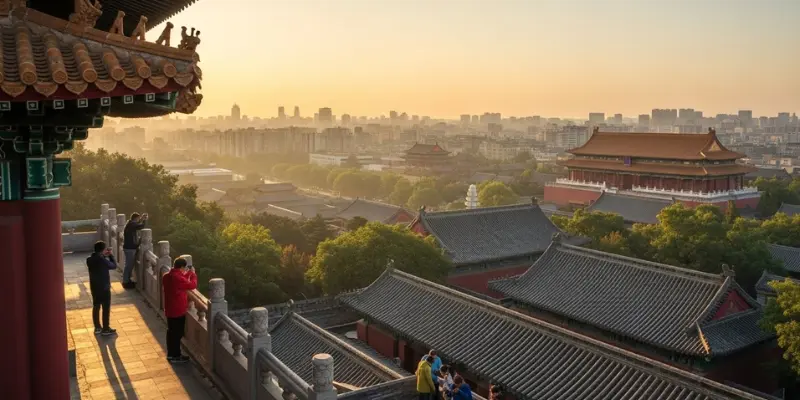
Jingshan Park surprised me more than I expected. After walking through the Forbidden City, I crossed the road and climbed the small hill inside the park. Entry costs only $1 USD, and the reward feels much bigger. From the top, you see the entire Forbidden City laid out perfectly, calm and symmetrical. It is one of those top places in Beijing that feels quiet, not crowded.
This park is best for sunrise or sunset, especially if you enjoy photography. The light changes the rooftops into soft gold tones. For me, it was the perfect pause after a busy day of Beijing attractions.
Where to Stay in Beijing
Finding the right place to stay in Beijing can transform your trip from ordinary to unforgettable. If you’re traveling on a budget, hostels around Dongcheng or near the Lama Temple offer cozy dorms and private rooms for $15 to 25 USD per night. You’ll enjoy easy access to iconic sights like the Forbidden City while soaking in the local atmosphere.
For mid-range travelers, Chaoyang District and Wangfujing Street are perfect. Hotels here range from $50 to 100 USD per night and provide a mix of comfort, local style, and convenience. You’ll be close to bustling markets, cafes, and key attractions, making sightseeing effortless.
Luxury seekers should consider 5-star stays near the Forbidden City or along the riverside, with nightly rates between $150 to 300 USD. These hotels offer spacious rooms, elegant interiors, and often rooftop views for morning sunrises over Beijing’s skyline.
No matter your budget, it’s best to plan your stay according to the areas that suit your style historical charm, modern energy, or a mix of both. By choosing the right district, your Beijing itinerary becomes smoother, your travel guide richer, and your days full of memorable experiences.
Transportation & Getting Around Beijing
Getting around Beijing is easier than it looks. The subway is the fastest way to reach major landmarks like the Forbidden City and Temple of Heaven. Each ride costs around $0.50 to 1.00 USD, which is perfect for budget travelers. The trains are frequent, clean, and very reliable.
For places the subway does not reach, taxis are convenient. Short rides usually cost $2 to 5 USD. I found using a local ride app made everything simple and stress-free.
If you want to take day trips to the Great Wall or nearby attractions, shared vans or guided tours are the easiest choice. They cost around $12 to 20 USD per person. Carry a map or navigation app to make travel smooth and enjoy the city at your own pace.
Beijing is easy to explore and full of surprises if you know how to move around.
Budget & Costs Overview
Beijing can fit almost any budget. Budget travelers can explore the city comfortably on $30 to 50/day, enjoying street food, public transport, and free attractions like Tiananmen Square. Mid-range travelers should expect $80 to 120/day, which covers nicer hotels, museum entries, and guided tours. If you prefer luxury experiences, plan for $200+ per day to enjoy high-end hotels, fine dining, and private tours.
Meals, transportation, and entry fees are all very manageable with some planning. I personally found that combining local eateries with occasional guided experiences gave the perfect balance between culture and comfort. With the right budget, you can see all the top places without feeling rushed.
FAQs
Q1: What are the best places to visit in Beijing for first-time travelers?
Answer: Forbidden City, Great Wall (Mutianyu), Lama Temple, Hutongs, Summer Palace, and Wangfujing Street for food.
Q2: How many days do you need in Beijing?
Answer: Ideally 3 to 7 days depending on sightseeing and day trips.
Q3: What is the cheapest way to explore Beijing?
Answer: Subway rides ($0.50 to 1.00 USD), budget hostels ($15 to 25/night), and street food ($3 to 5 USD per meal).
Q4: How much does a trip to the Great Wall of China cost?
Answer: Mutianyu shared tour $12 USD, cable car $6 to 8 USD, toboggan $5 USD. Jinshanling day tour $20 to 25 USD.
Q5: What are must-try foods in Beijing?
Answer: Peking Duck ($30 to 50), Beijing hot pot ($10 to 20), Luosifen ($3), Hua Jiu fruit wine ($5 to 8).
Q6: Which neighborhoods are best to stay in Beijing?
Answer: Dongcheng (near Forbidden City), Chaoyang (modern amenities & shopping), Wangfujing (food & nightlife).
Q7: Are there free things to do in Beijing?
Answer: Tiananmen Square, Hutongs walk, Jingshan Park ($1), public parks & street markets.
Q8: What’s the best time to visit Beijing?
Answer: Spring (April to May) or Autumn (September to October) for weather and lower pollution.
Tips & Final Thoughts
Beijing is a city full of history, culture, and vibrant streets, but smart planning makes your trip smoother. Stay alert in crowded areas and avoid tourist traps, especially around markets and busy attractions. Download helpful apps for maps, translation, and local transport, and use a reliable VPN to access essential websites. A 3 to 7 day itinerary works best to cover top sights, hidden alleys, local food spots, and day trips like the Great Wall. Following these tips ensures a safe, immersive, and unforgettable Beijing experience.