
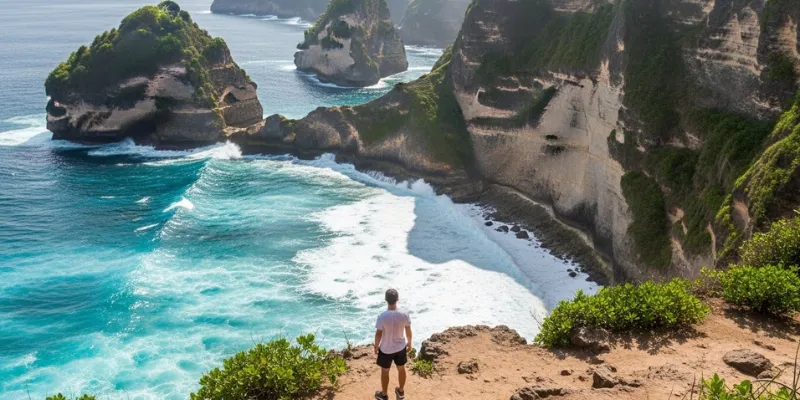
Exploring Nusa Penida Island: How I Discovered Bali’s Rugged Cliffs, Secret Beaches, and Instagrammable Spots
My Arrival at Nusa Penida: First Impressions of Bali’s Rugged Paradise
The moment the fast boat to Nusa Penida sliced through the turquoise waters from Sanur, I felt a thrill I hadn’t experienced in Bali. The journey was short but enough to leave the bustling tourist beaches behind and step into a world that felt untouched, raw, and endlessly inviting. For those staying on Nusa Lembongan, the ride is even shorter, and the anticipation builds as the cliffs of Nusa Penida rise on the horizon, jagged and majestic.
As soon as I stepped off the boat, the island’s rugged charm hit me. Unlike Bali’s polished streets and crowded cafés, the roads were quiet, winding past lush hills and dramatic cliffs. Scooters zipped past, locals waved, and a peaceful rhythm seemed to embrace every visitor. It was as if time slowed here, allowing me to breathe in the salty breeze and take in the sheer scale of the island’s natural beauty.
Even within the first few minutes, I realized why travelers rave about a day trip to Nusa Penida. The island is more than a getaway it is a stepping into another world. Each corner whispered promises of hidden beaches, secret viewpoints, and unforgettable experiences. My first impressions weren’t just visual they were emotional, a feeling of discovery and anticipation that would only deepen over the next few days.
Whether you arrive from Sanur on the fast boat or from neighboring Nusa Lembongan, Nusa Penida Island instantly signals that this is no ordinary Bali escape. The rugged cliffs, quiet roads, and untouched beauty make you pause, look around, and realize that adventure has only just begun.
If you’re starting your Bali journey island, Ubud offers a completely different cultural side of the island, making Nusa Penida feel even more raw and untouched.
Riding Through Adventure: Exploring Nusa Penida by Scooter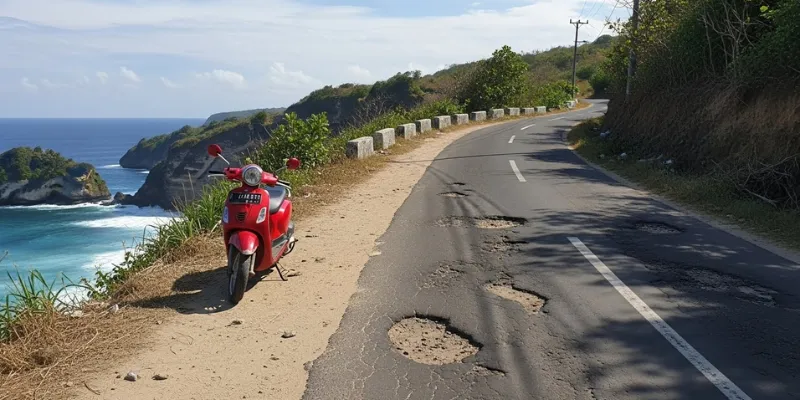
There’s no better way to explore Nusa Penida than on a scooter, feeling the wind in your hair as the island slowly reveals its rugged charm. Renting a scooter in Nusa Penida is straightforward, costing around 70,000 to 80,000 IDR per day, and it’s the key to discovering hidden corners that most tours never reach.
The roads can be a mix of perfectly paved stretches and surprisingly steep trails that test your balance and courage. At first, I felt a rush of nerves as I navigated the narrow paths overlooking dramatic cliffs, but that thrill quickly turned into exhilaration. Every turn opened up breathtaking vistas secret bays, jagged cliffs, and winding paths that seemed to lead straight into a postcard.
For beginners, a few tips: always wear a helmet, carry water, and start slow until you get comfortable with Nusa Penida roads. Avoid riding at high tide or after rain, as some trails can become slippery. And don’t hesitate to ask locals for directions they often know shortcuts to the most stunning viewpoints.
Scootering across Nusa Penida isn’t just transportation; it’s an adventure travel experience. It lets you feel the heartbeat of the island, uncover quiet beaches, and explore remote corners that are impossible to reach by car. By the end of the day, I realized that every bump, twist, and turn was worth it this was Nusa Penida as I discovered it, raw, beautiful, and unforgettable.
West Nusa Penida Highlights: The Famous Cliffs and Instagrammable Views
West Nusa Penida is where the island’s rugged beauty truly shines. From towering cliffs to natural rock formations, this area is a paradise for photographers and adventure seekers alike. As I explored, each viewpoint felt like stepping into a postcard Kelingking Beach’s T-Rex cliff, Broken Beach’s perfect rock frame, and Angel’s Billabong’s emerald infinity pool. These highlights are not just scenic spots; they tell the story of Nusa Penida’s wild, untamed charm and offer unforgettable Instagram moments. Timing your visit and knowing the best angles make the experience even more magical.
Kelingking Beach: The T-Rex Cliff I Couldn’t Stop Photographing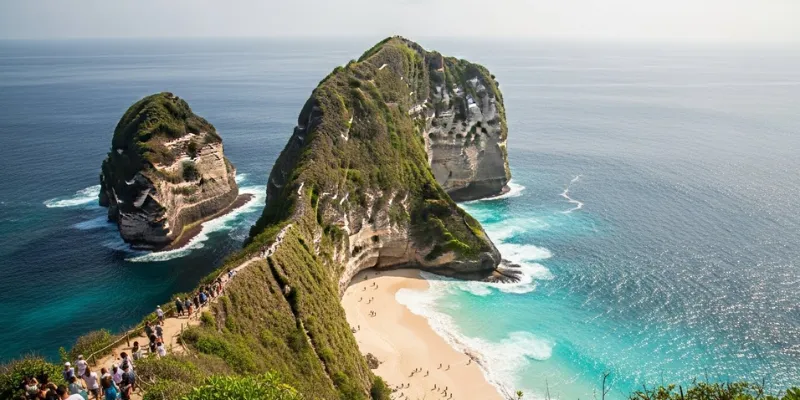
As I approached Kelingking Beach, the view hit me like a scene from a dream the cliff’s jagged T-Rex shape rising dramatically from turquoise waters below. From the main viewpoint, I could see tiny waves crashing on the crescent-shaped beach, and my camera couldn’t rest. Walking closer to less crowded angles felt like discovering a secret only the island knew.
If you aim for sunrise or sunset, the soft golden light paints the cliffs in warm hues and the crowds thin out, perfect for photos or just soaking in the surreal beauty. Descending to the beach is a thrilling adventure itself: steep paths and ropes guide your way, but be prepared for a challenging trek. Every step is rewarded with the serenity of untouched sands and panoramic views that make your heart skip a beat.
Don’t forget, there are small parking fees and a few local stalls for snacks and drinks. But honestly, the real treasure here is the feeling of being on the edge of the world, capturing one of Bali’s most iconic Instagrammable moments.
Broken Beach: Nature’s Perfect Frame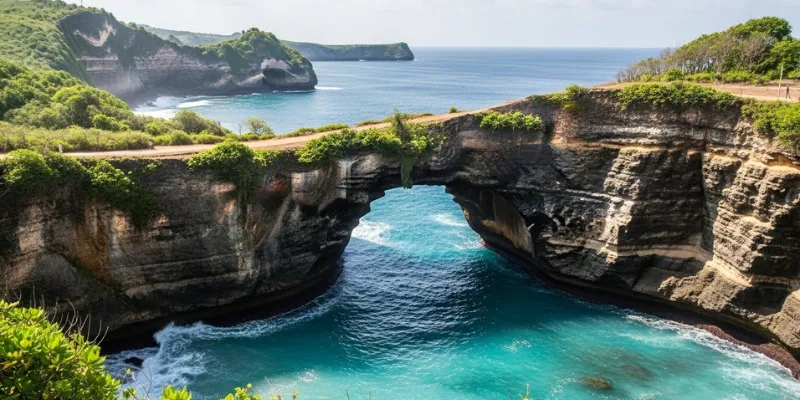
Walking up to Broken Beach felt like stepping into a postcard where nature designed the perfect frame. The ocean has carved a dramatic circular arch in the cliffs, and waves endlessly crash into the turquoise pool inside. From the viewpoint, the scene is mesmerizing, almost cinematic my camera was glued to the view.
I learned quickly that timing matters. Early morning keeps the crowds at bay, letting you enjoy the serene sound of waves echoing through the cliffs. For photographers, the best angles are slightly off-center from the main platform here, the rock formations curve like nature’s own lens, capturing light, shadows, and the sea in a breathtaking composition.
If you’re planning your day, combine this stop with Angel’s Billabong, just a short walk away. A perfect sequence for both adventure and Instagram moments. Standing there, I couldn’t help but marvel at how raw and unspoiled this corner of Nusa Penida truly is.
Angel’s Billabong: A Natural Infinity Pool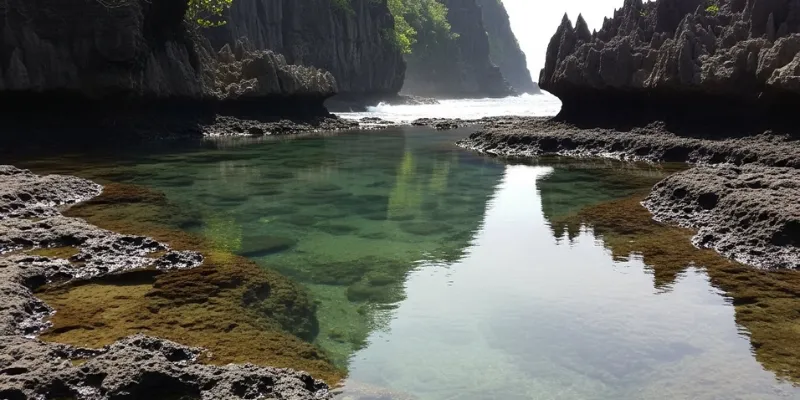
Just a short walk from Broken Beach, Angel’s Billabong revealed itself like a secret carved by the ocean itself. The water lay calm and crystal-clear, stretching out like a natural infinity pool, reflecting the jagged cliffs above. I could hardly believe that such a magical formation existed standing there felt like holding a piece of untouched paradise in my hands.
Timing, I learned, is everything. Low tide transforms the pool into a safe swimming spot; at high tide, the waves crash unpredictably, and the beauty turns into danger. I slipped carefully on the wet rocks, heart racing, but the reward was worth it a mirror-like pool with reflections of the cliffs and sky, perfect for photos.
If you’re planning your day, visit Angel’s Billabong right after Broken Beach. This small detour is seamless, giving you a full package of awe-inspiring cliffs and turquoise waters in one trip. I remember pausing for a moment, letting the gentle waves lap at my feet, feeling the island’s raw energy and serenity all at once.
East Nusa Penida: Hidden Beaches and Cliffside Wonders
Arriving on the quieter eastern side of Nusa Penida felt like stepping into a secret world. The cliffs here are dramatic, the beaches secluded, and the views make you pause in awe. Unlike the busy west coast, East Nusa Penida rewards those willing to explore with Atuh Beach’s serene sands, Diamond Beach’s breathtaking cliffs, and panoramic views from the Thousand Islands viewpoint. Every turn offers a photo opportunity or a moment to soak in nature’s untouched beauty. Hidden gems like the Rumah Pohon Tree House add a touch of adventure and whimsy, perfect for travelers craving Instagrammable moments and quiet exploration.
Atuh Beach and Diamond Beach: Secret Paradises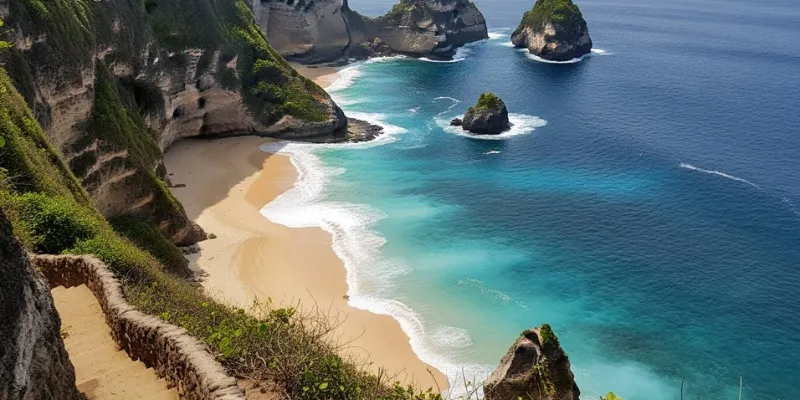
Walking down the steep cliffside stairs toward Atuh Beach felt like stepping into a hidden corner of Nusa Penida Island that most travelers never fully experience. The view opened slowly towering limestone cliffs, unreal shades of blue, and a quiet stretch of sand that instantly felt more peaceful than anything I saw on the west side.
Just a short drive away, Diamond Beach delivered an even more dramatic first impression. Sharp white cliffs dropped straight into crystal-clear water, and standing at the viewpoint made me pause longer than expected. Compared to crowded spots like Kelingking, the east side of Nusa Penida felt calmer, more personal, and far less rushed.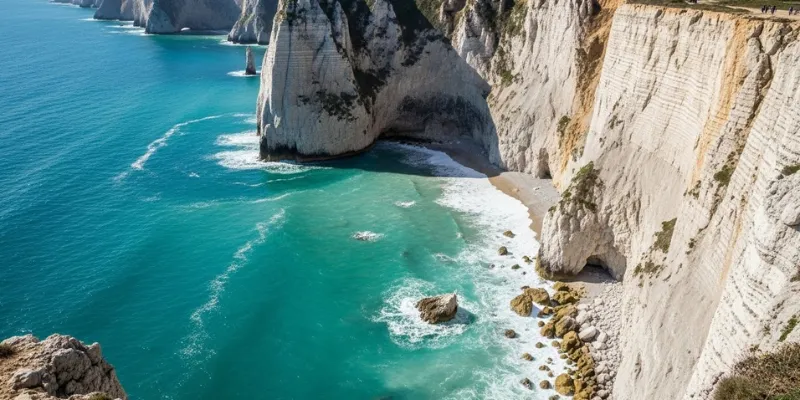
For photography, early morning or late afternoon works best. The sunlight hits the cliffs at an angle that adds depth and contrast, perfect for wide shots and drone-style compositions. Both beaches charge a small entrance fee of around 10,000 to 15,000 IDR, plus a basic parking fee, so keep cash with you.
The stairs are steep and can be tiring, so wear good shoes and bring water. But the reward quiet views, fewer people, and some of the best hidden beaches on the island made this part of my journey feel truly special and unforgettable.
Thousand Islands Viewpoint: Overlook Worth the Climb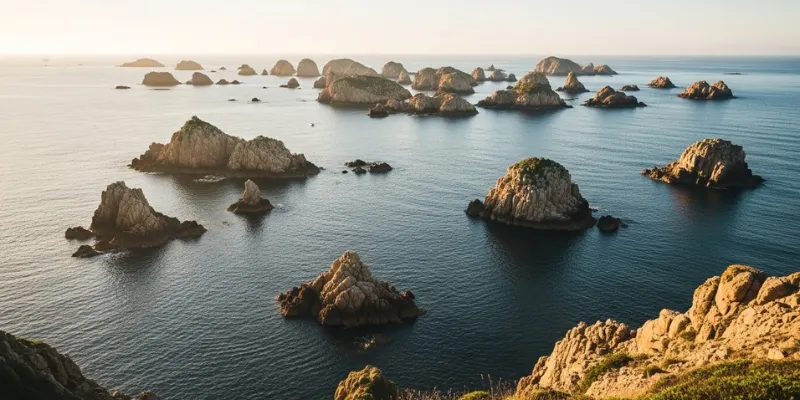
The climb up to Thousand Islands Viewpoint did not feel easy, but the moment I reached the top, everything went quiet. In front of me, layers of turquoise water wrapped around scattered rock formations, creating a view that honestly felt unreal. Standing there, I understood why this spot is often called one of the most underrated views on Nusa Penida Island.
What surprised me most was the lack of crowds. While everyone rushes to the famous cliffs on the west side, this viewpoint stays relatively peaceful. I had time to sit, breathe, and actually absorb the scene instead of fighting for space. That alone made it feel special.
From a photography perspective, this is one of those places where wide-angle shots shine. The best light hits mid-morning, when shadows add depth to the islands below. There is usually a small entrance or parking fee (around 5,000 to 10,000 IDR), nothing significant, but again, cash is essential here.
If you are searching for quiet moments, sweeping views, and something that feels less “done for Instagram,” this viewpoint delivers. For me, it became a reminder that some of the best memories on Nusa Penida come from places that are not shouted about online.
Rumah Pohon Tree House: Instagram-Worthy Treehouse with a View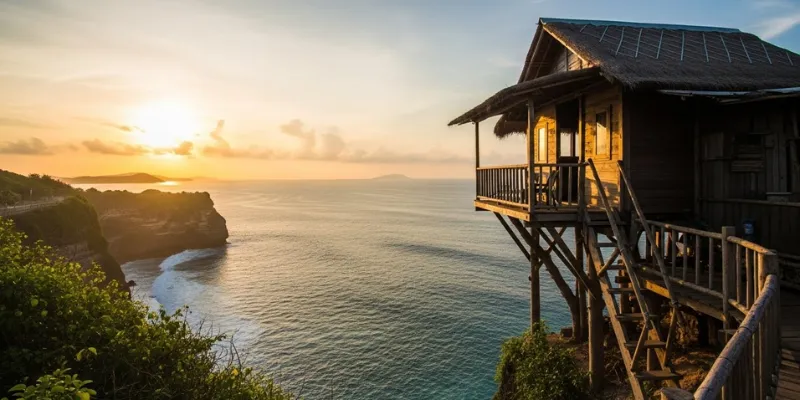
Reaching Rumah Pohon Tree House felt like chasing a photo I had seen a hundred times online, but standing there in real life was different. The wooden treehouse sits right on the edge of a cliff, overlooking endless ocean and jagged rock formations that look especially dramatic at sunrise. From this angle, Nusa Penida Island truly earns its reputation as one of Bali’s most photogenic escapes.
Getting there requires a bit of patience. The road is rough in parts, followed by a short walk downhill. But once you arrive, the viewpoint alone makes the effort worth it. For photos, early morning is non-negotiable. Soft light, fewer people, and clear skies make all the difference. Bring a wide lens if you can, and wait a few minutes between shots. The crowds move fast, and gaps open naturally.
Many travelers ask whether it is worth staying overnight. Honestly, this is where expectations matter. The overnight stay costs more than basic guesthouses on the island, and facilities are very simple. For most travelers, a day visit with a small entrance fee is enough to capture the experience without disappointment. Staying nearby and visiting early gives you the same views with far less stress.
For me, Rumah Pohon Tree House was less about sleeping there and more about the moment itself. A quiet pause, a perfect view, and the feeling of standing somewhere that still feels a little wild, even after all the photos shared online.
Snorkeling and Diving Adventures Around Nusa Penida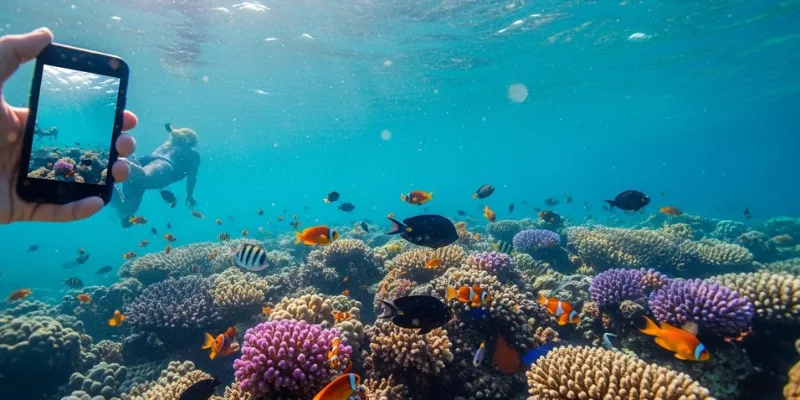
Arriving at Nusa Penida, I couldn’t wait to dive into its underwater wonders. The island is not just about cliffs and beaches its marine life is truly mesmerizing. From the moment I stepped onto the boat for snorkeling Nusa Penida adventures, the excitement was palpable. Crystal Bay snorkeling promised colorful corals and schools of vibrant fish, while nearby dive sites teemed with life, including the majestic manta rays Nusa Penida.
There’s something magical about gliding through clear turquoise waters, discovering hidden coral gardens, and witnessing the unique underwater landscapes that make diving sites Nusa Penida world-famous. Morning trips are the best calm waters and optimal visibility make every moment picture-perfect. Whether you’re a seasoned diver or trying snorkeling for the first time, Nusa Penida’s marine playground offers both thrill and serenity, leaving you with memories that feel almost otherworldly.
Waterfalls and Forest Trails: Nature Beyond the Beaches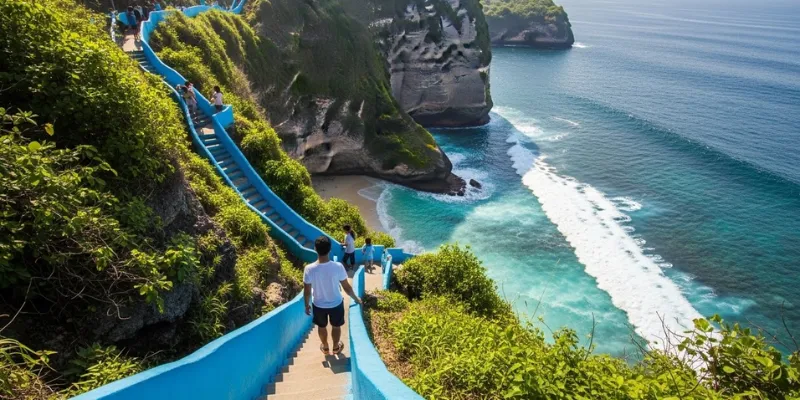
Most people picture Nusa Penida Island as a place of cliffs and turquoise water, but once I stepped away from the coastline, I discovered a completely different side of the island. This was the version of hidden Nusa Penida that felt quieter, deeper, and more meaningful. No crowds shouting for photos, no rush. Just nature, stone paths, and a calm I did not expect.
Reaching Peguyangan Waterfall was an experience in itself. The long blue ladders clinging to the cliff looked intimidating at first, but step by step, the ocean views below made every pause worth it. This place is sacred to locals, and you can feel it. Modest clothing is required, and sometimes you need to rent a sarong for a small fee, so it is best to carry cash. Early morning visits are safest, especially to avoid heat and slippery steps.
Further inland, Tembeling Forest felt like a hidden sanctuary. A short walk through dense greenery leads to natural pools and freshwater springs where time seems to slow down. I wore sturdy shoes here, and I was glad I did. The paths can be uneven, especially after rain.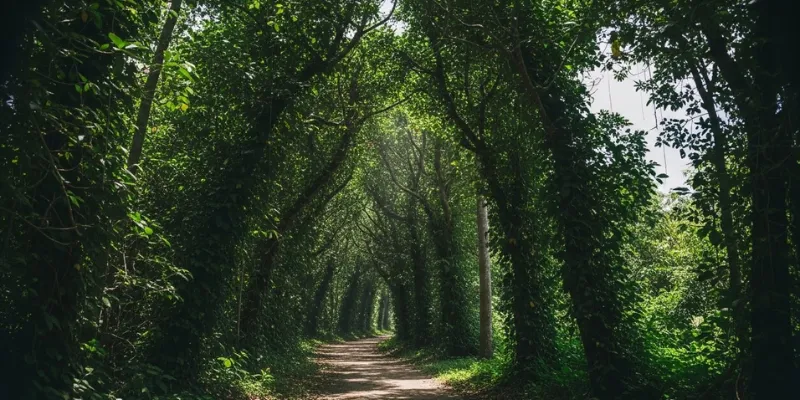
Then there is Segening Waterfall, less visited and more rugged. Getting there requires effort, but that is exactly why it feels special. No entrance chaos, no lines, sometimes just the sound of water and wind.
If beaches show Nusa Penida’s drama, these trails reveal its soul.
Where to Stay, Eat, and Recharge on Nusa Penida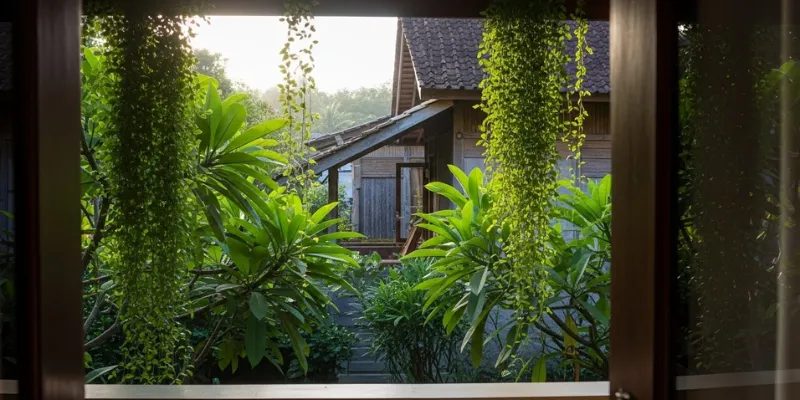
After long days of cliffs, beaches, and bumpy scooter rides, I realized something quickly on Nusa Penida Island: where you stay and eat really matters. This is not Bali, where options sit on every corner. Choices are fewer, simpler, and that is not a bad thing if you know what to expect.
For accommodation, most Nusa Penida hotels and guesthouses Nusa Penida are modest but welcoming. I stayed in a small guesthouse that was clean, quiet, and run by locals who genuinely cared. Do not expect luxury resorts everywhere. What you get instead is space, calm nights, and real island hospitality. Prices are generally lower than Bali, and a basic guesthouse per night is usually affordable, especially if you book a little ahead.
Location matters more than comfort here. If your plan is to explore the west side cliffs, staying near Toyapakeh or Sampalan makes day trips easier. If you want to chase sunrise at Atuh or Diamond Beach, staying east saves hours on rough roads. Some travelers choose to stay on Nusa Lembongan and visit Penida on a day trip, which works if you want more restaurants and smoother infrastructure. Personally, staying on Penida helped me feel the island more deeply.
Food surprised me. While options are limited, I found a few places serving simple but honest meals. The vegan food Nusa Penida scene is small, but gems exist if you ask locals or your host. Expect Indonesian staples, fresh juices, and meals that feel homemade rather than fancy. Prices are fair, and most meals cost less than tourist-heavy Bali, but remember to carry cash, as cards are often not accepted.
In the evenings, Nusa Penida slows down. No loud nightlife, no rush. Just dinner, quiet conversations, and early nights. Honestly, that slower rhythm became one of my favorite parts of staying here.
Many travelers combine their stay on Nusa Penida with time in Ubud, Bali’s cultural heart, where temples, food, and slow mornings create a perfect balance.
Tips, Timing, and Travel Advice for Exploring Nusa Penida
After exploring Nusa Penida Island and learning from my own mistakes (and wins), I realized that timing and preparation can completely change your experience here. This island rewards travelers who plan smartly, not those who rush.
The best time to visit Nusa Penida is early in the day and during the dry season. Sunrise and early mornings offer softer light, cooler temperatures, and far fewer people at major viewpoints. Most crowds arrive between 9 AM and 3 PM, especially on popular day trip Nusa Penida itineraries coming from Bali. If you want peaceful photos and space to breathe, start early or stay overnight.
From competitor insights and personal experience, overnight stays make a huge difference. Day trippers often feel rushed and only see the west side. Staying at least one or two nights allows you to explore east and west without stress and truly avoid crowds Nusa Penida is becoming known for.
Transportation is another big factor. Scooter rentals are common and cost around Rp 70,000 to 100,000 per day, but only ride if you are confident. Roads can be steep, narrow, and uneven. If not, hiring a local driver is safer and saves energy, especially for short stays.
A few essentials I learned quickly:
- Always carry cash, as ATMs are limited and cards are rarely accepted
- Pack sturdy shoes for stairs, ladders, and rocky paths
- Bring sunscreen, water, and a light sarong for temple areas
- Respect local customs and warning signs, especially near cliffs and tides
Most importantly, slow down. Nusa Penida is not about ticking boxes. It’s about choosing the right moments, the right light, and letting the island reveal itself naturally.
My Personal Reflection: Why Nusa Penida Stole My Heart
When I look back at my time on Nusa Penida Island, it is not just the cliffs or beaches that stay with me. It is the feeling. The silence on back roads. The effort it takes to reach places that do not give themselves away easily. These Nusa Penida experiences felt raw, imperfect, and deeply real, and that is exactly why they mattered.
What truly stole my heart were the hidden gems Nusa Penida still quietly protects. Moments like standing alone above a cliff before the crowds arrived, or sitting in the shade after a long walk down stone steps, catching my breath and realizing I did not want to rush anywhere. This island asks you to slow down, to work a little harder, and to earn the views instead of scrolling past them.
Yes, some places are famous, and yes, they can get busy. But when you time it right and stay curious, must-visit Nusa Penida becomes more than a checklist. It becomes a personal journey.
If you love destinations that feel wild, honest, and slightly challenging, Nusa Penida will stay with you long after you leave. And honestly, once it gets under your skin, you will probably start planning your return before you even get back to Bali.
After experiencing the wild cliffs of Nusa Penida, returning to why Ubud feels different from everywhere else in Bali brings a sense of calm and contrast.
FAQs about Nusa Penida Island
Is Nusa Penida worth visiting?
Nusa Penida is absolutely worth visiting while you’re in Bali! This island is an easy day trip with some spectacular sights like the T-Rex Cliff and of course, incredible snorkeling.
How long is it from Bali to Nusa Penida?
approx 45 mins
Bali to Nusa Penida ferry operators
Travel time 30 to 60 mins. Hotel transfers available. Gili Getaway fast boat Departs Bali from Serangan harbour to Buyuk Harbor in Nusa Penida. Crossing takes approx 45 mins.
Why is Nusa Penida famous?
Nusa Penida is renowned for its dramatic coastal cliffs, pristine beaches, and unique rock formations. The iconic Kelingking Beach, with its T-Rex-shaped cliff, is one of the most photographed views in Indonesia and one of my personal favorites.
How do I get to Nusa Penida from Bali?
To get to Nusa Penida, you’ll need to arrive at the Sanur Harbor and purchase tickets for the fast-service ferry (fast boat) to Nusa Penida. This fast boat ride takes about 30 minutes and costs around 150000 to 180000 IDR (about $8 to 11 USD) for a one-way journey. This varies slightly depending on the company you choose.
Is $100 a day enough for Bali?
It depends on how you want to spend your time in Bali but there’s no doubt that $100 a day is enough for Bali in most circumstances. You can easily rent private rooms for under $500 for a month, which then leaves you plenty of money to do more than eat fried rice in local restaurants.
How much is a boat ticket from Bali to Nusa Penida?
What is the price for a boat trip from Bali to Nusa Penida ? Traveling to Nusa Penida from Bali varies depending on the transportation company, with one-way ticket prices typically ranging from IDR 150,000 to IDR 200,000.
What is the culture like in Nusa?
Just like in Bali, most people in Nusa Lembongan follow Balinese Hinduism. Because the island is small and quiet, the traditional way of life is still strong here. Religion is a big part of daily life. People give offerings in the morning, pray at temples, and hold ceremonies often.
Exploring Nusa Penida Island: How I Discovered Bali’s Rugged Cliffs, Secret Beaches, and Instagrammable Spots
Related Posts

Borobudur Tour Guide (2026) Sunrise, Sunset, Prices & Climb-Up Ticket Explained Clearly
If you are searching borobudur tour, I already know what happened. You saw sunrise photos,…
Beaches in Jakarta I Loved: Hidden Gems, Family Escapes & Island Adventures
When I first landed in Jakarta, I thought the city was all about traffic jams…

Rent Moped Bali: Don’t Book Until You Read This
Landing in Bali for the first time, I quickly realized that navigating this island is…