

Gili Trawangan Travel Guide 2026: Where to Stay, Beaches, Party & Things to Do in the Gili Islands
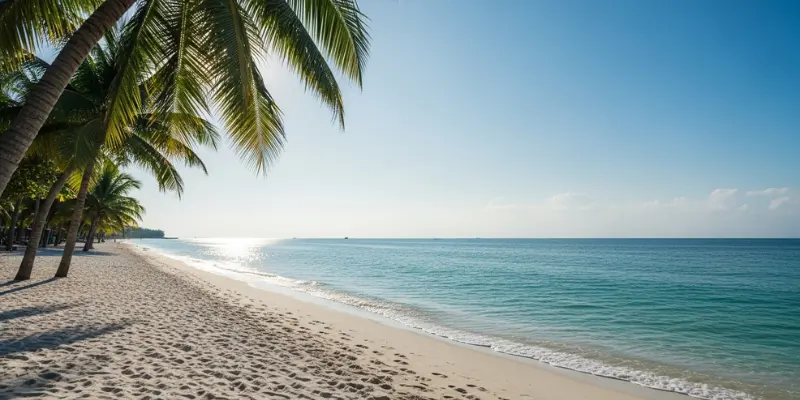
Stepping onto Gili Trawangan feels like arriving in your own tropical paradise. Part of the Gili Islands, which also include the serene Gili Meno and family-friendly Gili Air, this tiny Indonesian archipelago sits just off the northwest coast of Lombok and a short boat ride from Bali. With powdery white beaches, crystal-clear waters, and vibrant nightlife, Gili Trawangan has earned its reputation as the go-to spot for backpackers and party lovers, while the other islands maintain a quieter, more relaxed charm.
Getting here is surprisingly easy. From Bali, you can catch a fast boat from Serangan or Padang Bai for around 600,000 IDR (£30), including hotel pick-up, or a slower, more budget-friendly option for about 400,000 IDR (£20). From Lombok, boats run regularly from Bangsal harbor, taking just 20 to 30 minutes to reach the islands. Pro tip: boat schedules can be delayed, so always allow extra time to avoid missing your ride.
When I first arrived on Gili Trawangan, I was immediately captivated by the bustling main path lined with bicycles, cidomos, and beach bars, the sound of waves mingling with distant music from sunset parties. It’s a place where adventure meets relaxation: you can cycle along the coastline, snorkel among vibrant coral reefs, or simply sip a £2 cocktail while soaking in the turquoise sea.
For anyone travelling the Gili Islands, this guide will walk you through everything you need to know from where to stay in Gili T, to the best beaches, nightlife, and activities across all three islands. By the end, you’ll know exactly what to do in Gili Trawangan, how to make the most of your trip, and why the Gili Islands remain one of Indonesia’s most irresistible escapes.
How to Get to the Gili Islands
Reaching the Gili Islands is easier than you might think, but planning ahead can save a lot of stress. Most travellers start from Bali (Ngurah Rai International Airport, DPS) or Lombok (LOP), then continue by boat. From Bali, fast boats depart daily from Serengan, Padang Bai, or Amed, taking roughly 1.5 to 2.5 hours to reach Gili Trawangan. Expect to pay around 600,000 IDR (£30) for a return ticket. If you prefer a slower, scenic option, slow ferries from Padang Bai to Lombok’s Lembar port take 4 to 5 hours and cost about 400,000 IDR (£20).
Airport transfers and local taxis from Bali to the harbor typically run £10 to 15, and most fast boat operators offer pick-up services from popular towns like Seminyak or Ubud. Pro tip: Asian timing is flexible, so always allow extra time arriving late for your boat is easier than it sounds. On my last trip, a delayed pick-up meant switching from a fast to a slow boat, but it turned into a relaxed afternoon of ocean views!
Once you reach the harbor, local boats or speedboats will take you directly to Gili Trawangan, Gili Meno, or Gili Air. No cars are allowed on the islands, so your adventure officially begins the moment your feet touch the sand.
Overview of the Gili Islands
The Gili Islands, often referred to as the Gilis, are a trio of small tropical islands located in the Lombok Strait, just off the northwest coast of Lombok and around 35 km east of Bali. The group includes Gili Trawangan, Gili Meno, and Gili Air, each offering a slightly different travel experience while sharing the same crystal-clear waters and white-sand beaches that define the region. Their close proximity to both Bali and Lombok makes them one of Indonesia’s most accessible island escapes.
The climate across the Gili Islands is warm and tropical year-round. The dry season runs from May to October, offering calm seas and sunny days that are ideal for beach time, snorkelling, and diving. The wet season lasts from November to April, bringing occasional heavy rain but fewer crowds and lush island scenery. Average temperatures range between 22°C and 34°C, making the islands a comfortable destination throughout the year.
Historically, the islands remained largely untouched until the 1970s, when permanent settlement began due to limited freshwater availability. During World War II, Japanese forces briefly occupied the area, leaving behind remnants such as tunnels and submerged wrecks, particularly around Gili Trawangan beach. Tourism gradually expanded from backpackers in the 1980s to the diverse international crowd seen today.
One of the most distinctive features of the Gilis is the complete absence of motorized vehicles. Travel is limited to walking, bicycles, and traditional horse-drawn carriages (cidomo), creating a peaceful atmosphere rarely found in Southeast Asia. For travelers wondering which of the Gili Islands is best, the answer depends on whether you seek nightlife, romance, or balance a choice explored further throughout this guide.
Where to Stay on Gili Trawangan & the Gili Islands
Choosing where to stay in Gili Trawangan depends largely on your budget, travel style, and tolerance for nightlife. Compared to Gili Meno and Gili Air, Gili T offers the widest range of accommodation, making it ideal for backpackers, digital nomads, and short-stay travelers.
Backpacker & Budget Stays
If you are traveling on a tight budget, Gili T is one of the cheapest island destinations in Indonesia. Dorm beds typically cost £5 to 8 per night (100,000 to 160,000 IDR). Popular backpacker-friendly places like Gili Beach Bums and Flush Bungalows are well-located near the beach and social hubs, making them ideal for meeting other travelers.
Mid-Range Bungalows & Small Resorts
For more privacy without high costs, private bungalows and small resorts range from £6 to 11 per night (120,000 to 220,000 IDR). These often include air conditioning and private bathrooms, offering excellent value for couples or solo travelers seeking comfort without losing island charm.
Luxury & Boutique Options
Luxury stays such as Aston Hotel or wellness-focused retreats like Yoga Centre range between £20 to 40 per night (400,000 to 800,000 IDR). These properties are usually quieter, with beachfront access and premium services.
Best Areas to Stay
- East side: Close to nightlife, bars, and the harbour
- West & North side: Quieter, sunset views, better for couples
Booking Tip: Breakfast is often optional and costs £1 to 3 (20,000 to 60,000 IDR). Booking locally can sometimes secure better deals, especially in low season.
Things to Do on Gili Trawangan & the Gili Islands
Gili Trawangan is more than just a party island. What makes it special is the balance it offers between beaches, underwater adventures, culture, and laid-back island life. Whether you are here to relax, explore, or celebrate, there is no shortage of memorable experiences across the Gili Islands.
Beaches & Relaxation
The Gili Trawangan beaches stretch around the entire island, with each side offering a different mood. The east coast is lively and social, while the west side is famous for its peaceful atmosphere and unforgettable sunsets. For quieter beach time, Gili Meno beaches provide calm waters and fewer crowds, making them ideal for couples or travelers seeking total relaxation.
Water Activities: Snorkelling & Diving
Snorkelling is one of the most popular things to do on Gili Trawangan, thanks to clear water and frequent turtle sightings. A guided snorkelling trip usually costs around 100,000 IDR (£5) and includes stops at coral reefs near Gili Meno and Gili Air.
For certified divers or beginners, PADI courses are widely available, with full open-water courses starting from approximately £260, making the Gilis one of Southeast Asia’s most affordable dive destinations.
Nightlife & Party Scene
Often called a Party Gili Island, Gili Trawangan is well known for its rotating beach parties, live DJs, and fire shows. The nightlife is centered along the main strip near the harbour, where bars host events almost every night. Drinks are reasonably priced, with cocktails typically costing £2 to 3, keeping nights out budget-friendly.
Cultural & Wellness Experiences
Beyond beaches and bars, travelers can join yoga classes, take Indonesian cooking lessons, or browse small local markets. These experiences offer a slower, more authentic side of Gili island life and are perfect for balancing busy travel days.
Adventure & Fitness
With no motorized vehicles allowed, cycling is the best way to explore the island. Bike rentals cost about £1.50 per day, and a full loop around Gili Trawangan takes less than two hours. Fitness enthusiasts can also visit Gili Fit for group classes and training sessions.
Day Trips to Gili Meno & Gili Air
Island hopping is easy and rewarding. Gili Meno offers quiet beaches and snorkeling lagoons, while Gili Air blends local culture with relaxed beach cafés, making both excellent day-trip options from Gili Trawangan.
Dining & Food on the Gili Islands
The Gili Islands aren’t just about beaches and parties they’re also a delight for food lovers. From local street food to cozy cafés and beachside restaurants, the islands offer something for every taste and budget.
For a quick, authentic bite, try the banana leaf meals sold by local vendors for just 10,000 IDR (£0.50). These meals often feature rice, seasoned vegetables, and grilled fish or chicken perfect for fueling a day of island adventures.
If you prefer a sit-down meal, mid-range restaurants charge around 60,000 to 100,000 IDR (£3 to 5) per person. Favorites include Kayu Café for fresh, organic dishes, the bustling Food Market for communal BBQ-style dinners, and the Yoga Centre for wholesome, nutritious meals with a serene vibe. For a more indulgent experience, beachside spots like Scallywags BBQ offer high-end seafood and meat dishes for about 165,000 IDR (£8 to 9), letting you enjoy both the food and the sunset.
Smoothie and juice stalls are dotted across the islands, serving tropical fruit blends like avocado, banana, coconut, or pineapple a refreshing and Instagram-worthy pick-me-up between beach trips.
Whether you’re grabbing a street-side snack or indulging in a dinner with a view, dining on Gili Trawangan balances affordability, quality, and local charm. These culinary experiences not only satisfy your appetite but also immerse you in the vibrant culture of the islands.
Nightlife on Gili Trawangan
Gili Trawangan is widely known as the nightlife heart of the Gilis, attracting backpackers, solo travelers, and couples who enjoy social evenings by the sea. Most of the action happens on the east side of the island near Gili Trawangan harbour, where beach bars, music venues, and late-night spots sit just steps from the sand. This area stays lively well after sunset, while the north and west coasts remain quieter, making them better for travelers who prefer calm nights.
Popular venues range from relaxed reggae bars to energetic beach clubs with DJs and themed party nights. Spots like beachfront cocktail bars and open-air dance floors create a fun, social atmosphere rather than a full clubbing scene. Drinks are affordable, with cocktails usually costing around £2 to 3, which adds to the island’s reputation as a budget-friendly party destination.
That said, responsible travel is essential. Indonesia has strict drug laws, and penalties are severe. Reputable guides and local authorities strongly advise avoiding illegal substances altogether. Stick to licensed venues, watch your drinks, and pace yourself, especially after boat travel earlier in the day.
Overall, Gili T nightlife balances fun and freedom with island simplicity. Whether you want a lively beach party or a quiet drink by the water, Gili Trawangan offers both just choose the side of the island that matches your travel style.
Insider Tips & Travel Advice for the Gili Islands
Visiting the Gili Islands can be a dream come true if you plan smartly. To make the most of your trip, here’s some expert advice you’ll want to follow.
Best time to visit: The islands enjoy a tropical climate, with a dry season from May to October perfect for sunbathing, diving, and exploring. The wet season (November to April) is less predictable, with occasional heavy rains that can disrupt boat schedules.
Currency & tipping: The local currency is the Indonesian Rupiah (IDR). For small vendors and services, rounding up or tipping 5 to 10% is appreciated but not mandatory.
Local transport & packing tips: Motorized vehicles aren’t allowed, so bicycles or horse-drawn cidomos are the main way to get around. Pack lightweight clothing, swimwear, snorkel gear, and reef-safe sunscreen. A small backpack or waterproof bag is handy for day trips.
Cultural respect & overtourism: While the islands are popular, avoid overcrowded areas during peak times and respect local customs, such as dressing modestly when visiting religious sites or villages. Supporting local businesses, markets, and eco-friendly initiatives also helps maintain the islands’ charm.
By following these insider tips, you’ll enjoy a smoother, safer, and more authentic experience while travelling the Gili Islands and exploring their pristine beaches. Planning ahead ensures you soak in every bit of what makes these islands magical.
Conclusion
Gili Trawangan truly is a complete travel destination, offering sun-drenched beaches, vibrant nightlife, delicious local cuisine, and unique cultural experiences across the Gili Islands. Whether you’re seeking relaxation on Gili Meno, adventure and water sports on Gili Trawangan, or a balanced experience on Gili Air, these islands cater to every type of traveler.
By planning ahead and following the insider tips shared in this guide from where to stay, to the best things to do, and local transport advice you can make the most of your trip while avoiding common pitfalls. With careful preparation, your journey will be seamless, enjoyable, and unforgettable.
Don’t wait book your accommodation and fast boat early to secure the best spots and ensure your Gili adventure is nothing short of magical!
FAQ’s
Is it worth going to Gili Trawangan?
Yes, it is worth visiting for its crystal-clear waters, white sandy beaches, and a mix of adventure and relaxation.
Is Gili Trawangan a party island?
Yes, Gili Trawangan is lively at night with beach bars, music, and small parties, while other sides remain peaceful.
How long is the ferry from Bali to Gili Trawangan?
Fast boats take 1.5 to 2.5 hours, whereas slower ferries may take up to 5 hours depending on departure and weather.
Is Gili better than Bali?
Gili Trawangan offers a quieter, small-island experience focused on beaches and water activities, unlike Bali’s larger cultural and urban attractions.
What is the best time to visit the Gili Islands?
The dry season from May to October is ideal, offering sunny weather and calm seas for boating and snorkeling.
How do I get around Gili Trawangan?
There are no motorized vehicles; walking, bicycles, and horse-drawn carriages called cidomos are the main transport options.
What are the top things to do on Gili Trawangan?
Enjoy snorkeling, diving, yoga classes, beach relaxation, and visiting nearby islands Gili Meno and Gili Air.
Where should I stay on Gili Trawangan?
Options range from budget dorms like Gili Beach Bums to mid-range private bungalows and luxury stays such as the Yoga Centre or Aston Hotel.
Are the Gili Islands safe for solo travelers?
Yes, the islands are generally safe, though it is wise to keep an eye on belongings and avoid unlicensed boat trips.
Can I see turtles in Gili Trawangan?
Absolutely, snorkeling and diving around Gili Trawangan offer a high chance to see sea turtles and colorful coral reefs.
Gili Trawangan Travel Guide 2026: Where to Stay, Beaches, Party & Things to Do in the Gili Islands
Related Posts

Borobudur Tour Guide (2026) Sunrise, Sunset, Prices & Climb-Up Ticket Explained Clearly
If you are searching borobudur tour, I already know what happened. You saw sunrise photos,…
Beaches in Jakarta I Loved: Hidden Gems, Family Escapes & Island Adventures
When I first landed in Jakarta, I thought the city was all about traffic jams…

Rent Moped Bali: Don’t Book Until You Read This
Landing in Bali for the first time, I quickly realized that navigating this island is…