

Luang Prabang Vacation: My Complete 4-Day Guide to Exploring Laos’ Hidden Gems, Food & Culture
Why Luang Prabang Vacation Should Be Your Next Vacation
Having spent four unforgettable days in Luang Prabang, I can say this charming town in northern Laos is unlike any other place in Southeast Asia. Nestled at the confluence of the Mekong River and Nam Khan rivers, its well-preserved streets are a beautiful mix of traditional Lao wooden houses and French colonial architecture, giving the town a timeless charm. From the moment I arrived, I felt the gentle rhythm of life here the monks’ morning alms, the soft glow of lanterns lining Sisavangvong Street, and the serene hum of the Mekong.
Luang Prabang isn’t just about sights; it’s about experiences. The UNESCO World Heritage status is well-earned, as the town preserves both its cultural heritage and the warmth of its people. Walking through its temples, markets, and riverside cafés, I quickly realized that this isn’t a place to rush through it’s a place to savor. From hidden side streets to iconic spots like Kuang Si Waterfalls, every corner tells a story of Laos travel, culture, and natural beauty.
Planning your vacation here is surprisingly manageable. For a three-day trip, budget travelers can enjoy hostels, local food, and tuk-tuk rides for around $150 to $250. If you prefer boutique hotels, guided tours, and mid-range dining, plan for $350 to $600. Luxury stays, private experiences, and fine dining can range from $700 to $1,200. Whatever your budget, Luang Prabang offers experiences that are rich in cultural experiences, breathtaking in beauty, and unforgettable in memory.
Whether you’re a first-time visitor or returning to soak in more of Laos’ charm, Luang Prabang has a way of growing on you, revealing its magic little by little. Here’s my personal guide to making the most of your Luang Prabang vacation packed with tips, cultural insights, and honest advice from my own journey.
2. Best Time to Visit & Duration Recommendations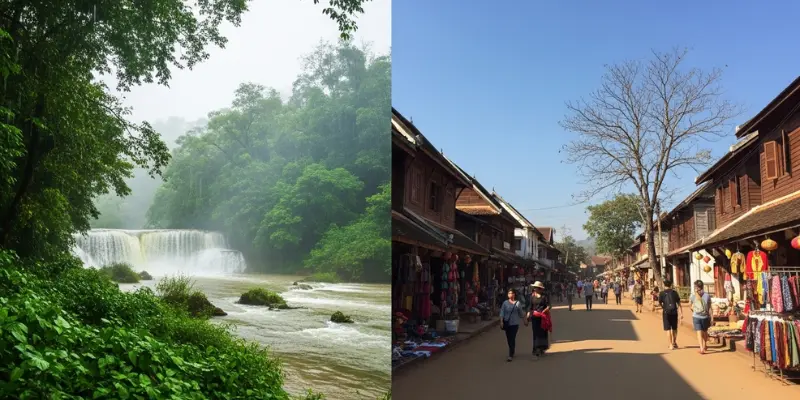
Planning the best time to visit Luang Prabang was one of the first things I did before my trip, and honestly, it made a huge difference in how much I enjoyed the city. From my personal experience, the dry season (November to February) is the most comfortable period for a Laos vacation. The weather is cool, the skies are clear, and walking along the charming streets of the Old Town or cruising along the Mekong River feels magical. This period is also peak tourism, so while you’ll enjoy perfect sightseeing conditions, accommodation rates are generally 20 to 30% higher.
If you prefer fewer crowds and a more tranquil vibe, the wet season (May to October) can be surprisingly rewarding. The lush greenery, fuller waterfalls like Kuang Si, and the calming atmosphere make it a different kind of charm. Just be ready for occasional rain showers and slightly lower visibility for photography. During this season, hotels and guesthouses often drop 15 to 20% in price, which can be great for budget-conscious travelers.
Festival-goers should consider timing their trip around special celebrations. The Lao New Year in April (Pi Mai) is a once-in-a-lifetime cultural experience with water fights, temple ceremonies, and traditional music. But keep in mind, festival periods can increase accommodation prices by 10 to 15%, so planning early is essential.
For a fulfilling Luang Prabang itinerary, I personally recommend 3 to 4 days. This gives you enough time to stroll the French colonial architecture, visit iconic temples like Wat Xieng Thong, and take a day trip to Kuang Si Waterfalls without rushing. If you want to explore side streets, local markets, or take a cooking class, adding an extra day is perfect.
In short: aim for dry season for comfort, wet season for serenity, and plan your stay for 3 to 4 days to fully enjoy this UNESCO World Heritage town while managing costs smartly.
3. How to Reach Luang Prabang
Getting to Luang Prabang is part of the adventure itself, and choosing the right mode of transport can shape the beginning of your Laos vacation. Having traveled from both Bangkok and Hanoi, I can share the most practical and scenic ways to reach this UNESCO town while keeping costs in check.
Flights to Luang Prabang are the fastest and easiest option. From Bangkok, you can find round-trip tickets ranging from $120 to $250, and from Hanoi, flights typically cost $150 to $280. The airports are small but efficient, and the view during landing, with the Mekong River winding below, is breathtaking trust me, it’s worth the window seat! After arrival, an airport transfer by tuk-tuk or taxi usually costs $5 to $10.
For a more immersive journey, the Mekong slow boat from Huay Xai to Luang Prabang is unforgettable. It’s a two-day trip with an overnight in Pak Beng, costing $20 to $25 for the ride and $15 to $20 for simple guesthouse accommodation. The slow boat allows you to witness riverside life, floating markets, and lush jungle scenery a truly unique way to approach the city.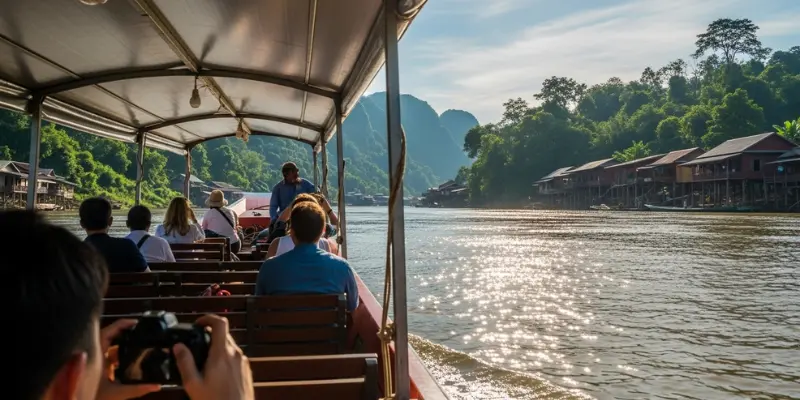
Overland options include minibuses or public buses from Vientiane or Vang Vieng, costing $10 to $25 depending on distance. Minibuses are faster but can be cramped, while buses are cheaper but slower. Both offer glimpses of rural Laos, and if you have time, the ride itself is a scenic highlight.
Visa info & border tips: Most travelers will require a visa on arrival at Laos borders. Make sure you carry small USD bills for the visa fee ($30) and check the validity of your passport (minimum 6 months). Crossing by land can be rewarding, but plan for extra time if doing the slow boat or bus.
No matter which option you choose, balancing cost, convenience, and experience is key. Personally, I prefer combining a flight in one direction and the slow boat on the way back that way, you save time and also enjoy the scenic charm of Laos firsthand.
4. Where to Stay Accommodation Guide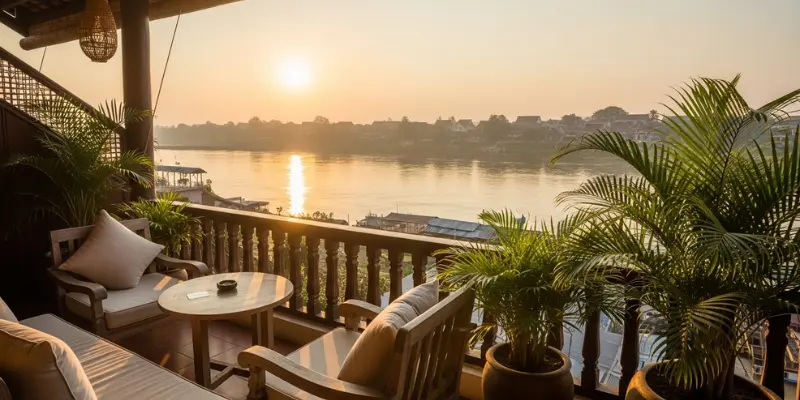
Choosing the right accommodation in Luang Prabang can make or break your Laos vacation experience. Having stayed in both the Old Town and riverside areas, I’ve discovered the perfect balance between comfort, budget, and authentic charm. Here’s my breakdown for every type of traveler:
Budget Stays: If you’re looking to save but still enjoy comfort, hostels and guesthouses like La Casa Hostel or Sabai Sabai Hostel are excellent options at $7 to $15 per night. Dorm beds are clean, social, and include breakfast. Staying in the Old Town ensures you’re walking distance to markets, temples, and local eateries, making it ideal for first-time visitors who want convenience on a shoestring budget.
Mid-Range Hotels: For a mix of comfort and affordability, I recommend Golden Lotus Namkhan View or Villa Phonethip Mekong Riverside, priced around $21 to $50 per night. These boutique hotels often offer river views, cozy rooms, and private bathrooms, while still being close to the Old Town’s charm. I personally enjoyed the riverside breeze from my balcony perfect for winding down after a day exploring temples and markets.
Luxury Stays: If relaxation and indulgence are priorities, Sofitel Luang Prabang and My Dream Boutique Resort provide exquisite experiences ranging from $90 to $250 per night. These riverside resorts combine spa treatments, fine dining, and spacious suites with the serenity of Luang Prabang’s scenic surroundings. Staying here felt like a mini-retreat, especially after the bustling morning alms ceremony and market visits.
Tips for Choosing the Right Stay:
- Proximity to Old Town: Ideal for walking to attractions and night markets.
- Riverside vs. City: Riverside gives peace and scenic views; city-center offers vibrancy and accessibility.
- Amenities: Check for breakfast, Wi-Fi, and shuttle options if you plan day trips.
No matter your budget, Luang Prabang offers accommodations that cater to all travelers, blending French colonial charm, traditional Lao architecture, and riverside serenity. Personally, splitting my stay between a budget guesthouse in the Old Town and a mid-range riverside hotel gave me the best of both worlds culture, comfort, and stunning views.
5. Day-by-Day Luang Prabang Itinerary
Planning a Luang Prabang itinerary can feel overwhelming, especially when the town is packed with temples, waterfalls, and riverside charm. Having spent 4 days here, I’ve mapped out a day-by-day guide so you can maximize every moment while soaking in the local culture, food, and stunning scenery.
Day 1: Arrival & Old Town Walk
After landing in Luang Prabang, take a tuk-tuk ($5 to $10) to your accommodation. I stayed in a riverside guesthouse, perfect for waking up to the Mekong River views. Spend your first afternoon wandering the Old Town, lined with French colonial architecture and UNESCO World Heritage streets.
- Stop at Wat Mai and Wat Sensoukharam for a gentle temple introduction.
- Grab local snacks like sticky rice or Sai Oua from the morning market ($1 to $3).
- End your day on Phousi Hill to catch sunset breathtaking and serene.
Pro Tip: Arrive early on the hill to avoid crowds and enjoy a peaceful moment above the city.
Day 2: Temples, Culture & Alms Ceremony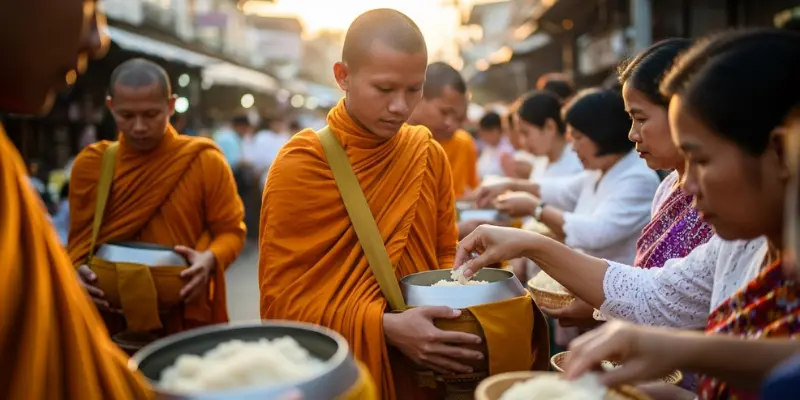
Start early with the iconic Alms Giving Ceremony (5:30 to 6:30am, free) observe respectfully and bring sticky rice for offerings. Then explore Wat Xieng Thong, Wat Visounnarath, and Wat Aham, diving deep into Laotian Buddhist art.
- Optional: Join a craft workshop ($10 to $20) to learn traditional Lao weaving or woodworking.
- Afternoon: Explore local cafés or riverside walks, capturing the essence of daily Laos travel.
Money Tip: Most temples charge $2 to $3; it’s a small fee for cultural immersion.
Day 3: Kuang Si Waterfalls & Moon Bear Sanctuary

Dedicate a day to Kuang Si Waterfalls (entrance $2 to $3), one of the most Instagram-worthy spots in Laos. Swim in turquoise pools or simply relax by the cascading water. Visit the nearby Moon Bear Sanctuary ($4 donation suggested) to witness incredible conservation efforts.
- Late afternoon: Stop by Tamarind Cooking School ($25 to $30) to learn cooking Lao cuisine like Mok Pa and Larb an unforgettable cultural experience.
Tip: Wear good shoes for hiking and bring waterproof bags for electronics.
Day 4: Bamboo Bridge & Mekong River Day Trip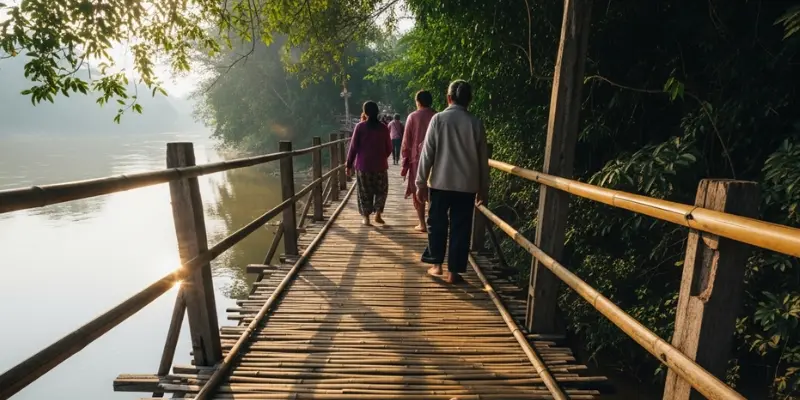
Cross the seasonal Bamboo Bridge ($0.40) early morning for unique photos and a taste of local life. Later, enjoy a Mekong River day trip ($15 to $25) witness floating villages, lush riverside jungles, and local riverside markets.
- Wrap up your trip with souvenir shopping at the Night Market ($2 to $10).
- Optional: Evening riverside dinner sampling Jeow Bong or sticky rice dishes.
Insider Tip: Combine your river trip with a short visit to a nearby waterfall or village for a full-day adventure.
6. Food & Dining Experiences
One of the highlights of my Luang Prabang vacation was definitely indulging in the local flavors. The city may be small, but its Lao cuisine is unforgettable each bite tells a story of centuries-old culinary traditions. From bustling markets to quiet riverside restaurants, food here isn’t just fuel it’s an experience.
I started my mornings at the night market, where street vendors sell sticky rice skewers, sweet mung bean cakes, and grilled meats. These quick bites cost just $1 to $3, perfect for a budget traveler like me who wanted to sample everything without overspending. The aromas of Sai Oua, the famous Lao spiced sausage, and Larb, the tangy minced meat salad, pulled me in every corner I turned.
For lunch or casual dinners, I found the mid-range Luang Prabang restaurants a sweet spot between comfort and affordability. A hearty meal of Mok Pa (fish steamed in banana leaf) or Khao Poon (curry noodle soup) cost $5 to $12, served with a side of stories from friendly locals. One afternoon, I joined a Tamarind Cooking School class $25 to $30 per person and learned to make Jeow Bong, a sweet and spicy chili paste that I still crave months later.
Evenings were perfect for wandering the night market, tasting street food while picking up souvenirs ($2 to $10). The market isn’t just about food; it’s a social hub where locals and travelers meet, laugh, and share stories. Eating here felt personal, as if I was connecting with the city itself.
From budget snacks to cooking classes and riverside dinners, Luang Prabang restaurants and food experiences satisfy every traveler’s craving for taste, culture, and memories. This was more than eating; it was a journey through the soul of Laos.
7. Cultural Experiences & Local Tips
One of the most enriching parts of my Luang Prabang vacation was immersing myself in the city’s cultural experiences in Laos. Waking up before sunrise, I joined the serene Alms Giving Ceremony along the main streets. Observing the monks in saffron robes, quietly accepting sticky rice offerings, was both humbling and magical. If you want to participate, always stay respectful don’t touch the monks, stay slightly behind them, and dress modestly. This is the heartbeat of Buddhist ceremony Luang Prabang, a tradition that has endured for centuries.
Beyond the spiritual rituals, I explored the local crafts scene. I tried my hand at a weaving workshop ($10 to $20 per session), learning how Laotians turn silk into intricate patterns. These workshops are more than souvenirs; they offer a window into the daily lives and artistry of the locals.
Timing your visit with festivals adds another layer to your experience. The Lao New Year in April or the Boat Racing Festival provides vibrant cultural immersion. Most events are free to attend, with optional donations of $1 to $5 if you want to support the community. Remember, ethical travel matters: respect photography rules, support local artisans, and always leave a positive impact.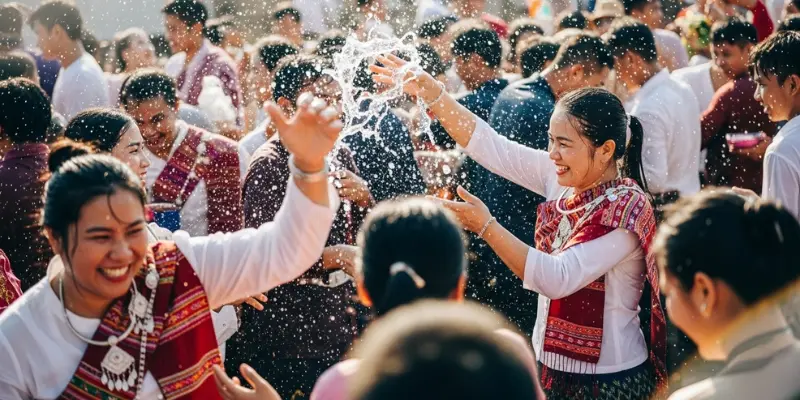
Luang Prabang’s culture isn’t just to observe it’s to feel, participate, and honor. By blending mindful participation with small, meaningful contributions, you’ll take home memories that last far longer than any souvenir.
8. Cost & Budget Planning
Planning a Luang Prabang vacation becomes much easier when you know the numbers upfront. During my 4-day trip, I tracked expenses across all budgets so you can realistically plan your Laos travel budget.
For budget travelers, staying in hostels, eating street food, and using local transport, you can get by on $50 to $80/day. Mid-range travelers, opting for boutique hotels, local restaurants, and guided tours, should expect around $120 to $180/day. For a luxury experience with riverside resorts, private tours, and fine dining, daily costs start at $250+.
Daily expenses include accommodation, meals, attractions, and transport. Attractions like Kuang Si Waterfalls ($2 to $3) or a Mekong river day trip ($15 to $25) are affordable but add up if you plan several in a day. Hidden costs may include tuk-tuk rides ($10 to $15/day) or festival donations ($1 to $5).
Currency tips are essential: USD is widely accepted in Luang Prabang, but small bills are preferred. Keep some Lao Kip handy for markets, snacks, and small purchases it makes transactions smoother and avoids awkward exchanges.
By knowing these numbers in advance, you can enjoy your Luang Prabang vacation without surprises and tailor your trip exactly to your budget.
9. Practical Tips & Safety
While Luang Prabang is one of the safer destinations in Southeast Asia, knowing a few travel tips can make your trip smoother and worry-free. During my stay, I found that small preparations made a big difference.
Air quality can be variable, especially during the dry season. I always carried face masks ($0.50 to $1 each) for early morning walks and motorbike rides. For peace of mind, I purchased travel insurance ($10 to $20/day) covering health, theft, and minor accidents it saved me stress when unexpected hiccups came up.
Transport is generally safe, but renting a tuk-tuk ($10 to $15/day) is often necessary for crossing rivers or reaching remote waterfalls. Always agree on the price beforehand to avoid surprises.
Stay connected with a local SIM card, and keep a list of emergency contacts, including your accommodation and local embassy. Watch out for common tourist scams, especially around night markets and popular viewpoints.
By following these simple yet actionable Laos safety tips, your Luang Prabang vacation can remain enjoyable, secure, and hassle-free, letting you focus on the culture, food, and scenery.
10. Conclusion
My Luang Prabang vacation was nothing short of magical a perfect blend of ancient temples, serene rivers, cascading waterfalls, and vibrant markets. Every day brought a new discovery, from savoring authentic Lao cuisine to witnessing the spiritual Alms Giving Ceremony at dawn.
Whether you’re traveling on a budget, mid-range, or luxury plan, Luang Prabang offers something for everyone. Planning your trip thoughtfully, with a few practical safety and budget tips, ensures you’ll make the most of this UNESCO World Heritage gem.
If you’re seeking culture, adventure, and genuine experiences, I wholeheartedly recommend adding Luang Prabang to your Laos vacation itinerary. Trust me, it’s a place that will stay in your heart long after you leave.
FAQ’s
Is it worth visiting Luang Prabang?
Yes, it is worth visiting; the city offers stunning temples, peaceful rivers, and unique cultural experiences.
How many days is enough in Luang Prabang?
Three to four days are usually enough to enjoy the main sights, waterfalls, markets, and cultural activities.
What is so special about Luang Prabang?
Luang Prabang is special for its blend of UNESCO World Heritage architecture, traditional Buddhist ceremonies, and riverside charm.
What is the best time to visit Luang Prabang?
The best time to visit Luang Prabang is during the dry season, from November to February, when the weather is pleasant and ideal for sightseeing.
How much does a Luang Prabang vacation typically cost?
A Luang Prabang vacation can range from $50 per day for budget travel to over $250 per day for luxury experiences.
What are must-do activities on a Luang Prabang vacation?
Do not miss visiting Kuang Si Waterfalls, Phousi Hill, local markets, and participating in cultural experiences like the Alms Giving Ceremony.
Luang Prabang Vacation: My Complete 4-Day Guide to Exploring Laos’ Hidden Gems, Food & Culture
Related Posts

World Tallest Fountain in Jeddah The Real Height, Best Time to Visit, and What to Expect
If you searched for the world tallest fountain, you probably noticed something confusing. Some websites…

Visiting Abandoned Water Parks: Tips, Stories & Hidden Gems from My Adventure
I will never forget the first time I stumbled upon an abandoned water park. Driving…

Huaraz Peru Altitude Explained: How High It Is, What It Feels Like & How to Prepare
Welcome to High-Altitude Huaraz Stepping off the bus in Huaraz Peru Altitude, I could immediately…