
Thean Hou Temple Hawker Stalls: Food, Tips and Attractions
Welcome to Thean Hou Temple
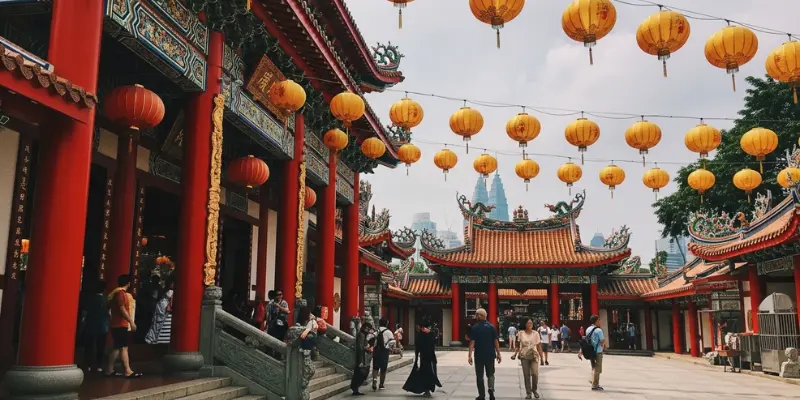
Honestly, stepping off the bustling streets of Kuala Lumpur and winding up the hill to Thean Hou Temple Hawker Stalls feels like stepping into a world of calm and color. You know, the city is loud and chaotic, but this six-tiered, hilltop Chinese Buddhist temple is an oasis that instantly makes you slow down. From the moment you approach the bright red pillars and the gold-trimmed pagodas, you realize this is more than just a temple it is a living piece of Malaysia’s rich cultural tapestry.
Thean Hou Temple Kuala Lumpur is famous not just for its size or location, but for the way it blends traditional Chinese architecture Malaysia, spirituality, and panoramic views. Built by the Hainanese community in 1987, it is dedicated to Goddess Mazu, the protector of seafarers, and Guan Yin, the Goddess of Mercy. Walking through its terraces, you will notice intricate carvings, fire-breathing dragons, and gold lanterns that shimmer in the sunlight. Every detail, from the up-swept roofs to the panoramic skyline KL, tells a story of Chinese culture thriving in Malaysia.
In this guide, I will take you through everything you need for an unforgettable visit. We will explore the temple’s breathtaking architecture, discover the hawker stalls near Thean Hou Temple serving authentic vegetarian food Kuala Lumpur, and even check out the best times for temple festivals Kuala Lumpur and photography. You will also get practical tips on transport, costs, and planning a full day around this incredible hilltop spot. Trust me, by the end, you will know exactly how to make your trip both meaningful and delicious.
For more ideas beyond this temple, see my full guide to things to do in Kuala Lumpur.
And here is a small bonus for your wallet-conscious side: visiting Thean Hou Temple is completely free, though small donations are welcome to help maintain its beautiful grounds. So, you get the spiritual vibes, the history, the stunning views, and even the local affordable meals near Thean Hou Temple, all without spending much. For example, a vegetarian rice plate with multiple curry options at a nearby KL hawker stall costs around $8 USD for two people.
Hawker Stalls & Food Near Thean Hou Temple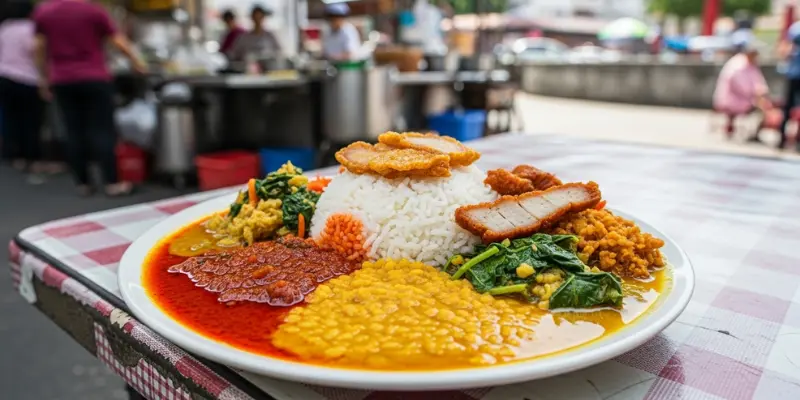
After soaking in the serene beauty of Thean Hou Temple Kuala Lumpur, it is impossible not to notice the aromatic smells wafting from the nearby hawker stalls. You know, nothing completes a temple visit like a taste of authentic Malaysian cuisine. Just a short walk from the temple’s entrance, you will find small, friendly cafes and local stalls that serve a variety of vegetarian and Chinese dishes, perfect for both solo travelers and families.
One of my personal favorites was a tiny cafe where we piled our plates with vegetarian rice, topped with two to three types of curry, and even vegetarian versions of pork, chicken, and beef. The best part? The cost for both of us was under $8 USD, making it one of the most budget-friendly meals in Kuala Lumpur. Do not miss the purple sweet potato log roll, a dessert that perfectly balances sweetness with a soft, creamy texture. You know, trust me, it is worth every bite.
The hawker stalls near Thean Hou Temple offer more than just food they are a glimpse into local culinary culture, where friendly vendors invite you to try everything and share stories behind their dishes. From traditional snacks to freshly made vegetarian curries, each bite gives you a sense of the authentic flavors of Kuala Lumpur. Whether you are a foodie looking for Instagram-worthy shots or a traveler on a budget, these stalls are a must-visit stop.
Practical tips: Bring small cash notes, as most stalls do not accept cards. If you are visiting during temple festivals, expect larger crowds but also more festive food specials. And remember, this is affordable, authentic Malaysian cuisine right at the heart of a spiritual, cultural landmark.
Getting There Transportation Guide
Honestly, getting to Thean Hou Temple Hawker Stalls from the heart of Kuala Lumpur is easier than you might think, and you have several options depending on your budget, comfort, and sense of adventure. You know, I tried a few ways myself, and I will walk you through them.
The simplest way is to grab a Grab taxi, which costs around $5 USD / 20 MYR from the city center (bondingexplorers.com). It is quick, comfortable, and lets you sit back and enjoy the drive up the hill without worrying about directions. If you enjoy a bit of exercise and adventure, you can take public transport to the nearest station and then walk 15 to 20 minutes up to the temple (bondingexplorers.com). Trust me, the walk is scenic, with glimpses of the city’s greenery, streets, and KL skyline views, but it might be tricky if you are carrying bags or traveling with kids.
For travelers looking for more freedom, renting a car is surprisingly affordable in Kuala Lumpur. I usually use Discovercars.com, which makes comparing prices easy. Driving gives you the flexibility to explore nearby attractions, local markets, or temple surroundings after visiting the temple without worrying about rideshare schedules (bondingexplorers.com).
If you prefer a more relaxed day without planning, some tours include Thean Hou Temple and Batu Caves in a half-day package, costing around £12 per person (travellinghan.com). These tours are great if you want someone else to handle the logistics, while you focus on photography, temple experience, and soaking in the cultural vibe.
And a special tip for friends coming from Singapore: there are cross-border buses to Kuala Lumpur that are budget-friendly and convenient. From the bus drop-off, you can either take a short Grab or combine with public transport to reach the temple comfortably (bondingexplorers.com).
No matter which option you pick, transport Kuala Lumpur is straightforward, and the temple’s KL temple access is friendly for both first-timers and repeat visitors. Personally, I love hopping in a Grab, feeling the city fade behind me, and then seeing the colorful temple appear on the hilltop it is a small moment of magic before the adventure begins.
Temple Overview & History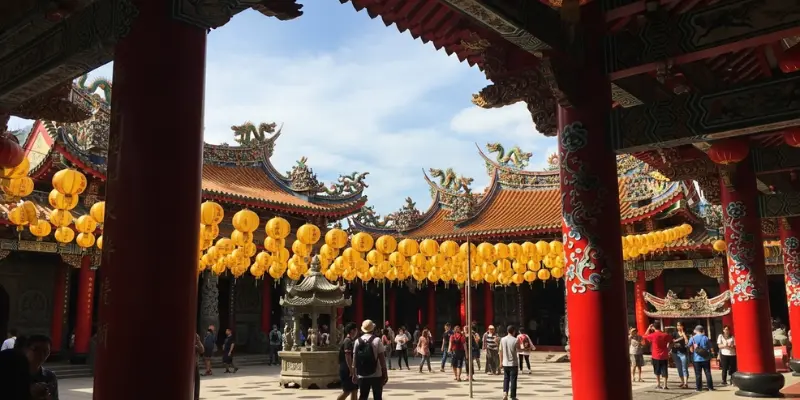
Stepping onto the hilltop to visit Thean Hou Temple Kuala Lumpur feels like entering a serene world away from the bustling city below. Built in 1987 by the Hainanese community, this Chinese Buddhist temple Malaysia treasure has long been a spiritual and cultural hub for locals and travelers alike. The temple is dedicated to Goddess Mazu, revered as the protector of seafarers, and Guan Yin, the Goddess of Mercy, making it not just an architectural wonder but also a living center of devotion and tradition.
From the moment you set foot inside, your eyes are drawn to the stunning traditional Chinese architecture. Bright red pillars support gracefully curved roofs, adorned with intricate dragon carvings and gold lanterns that shimmer under the Malaysian sun. On closer inspection, you will notice terracotta ridge beasts and fire-breathing dragons perched along the rooftops, each telling a story from Chinese folklore. The vibrant Chinese decorative motifs are meticulously painted in rich hues of jade, gold, lapis, and vermilion, making every corner a visual delight.
Climbing to the upper terraces, you are rewarded with a breathtaking panoramic skyline KL view. Skyscrapers of Kuala Lumpur rise in the distance, contrasting beautifully with the temple’s timeless elegance. Trust me, the sight alone makes the gentle hill climb worthwhile. It is also a great spot for photography, whether you are capturing the intricate temple altars inside or the sweeping cityscape outside.
Best of all, visiting Thean Hou Temple Kuala Lumpur is completely free, though small donations are encouraged to help maintain this majestic site. This means you can enjoy the rich history, remarkable architecture, and spiritual ambiance without worrying about entrance costs, making it a perfect family-friendly temple visit in Malaysia.
Temple Highlights & Photography Spots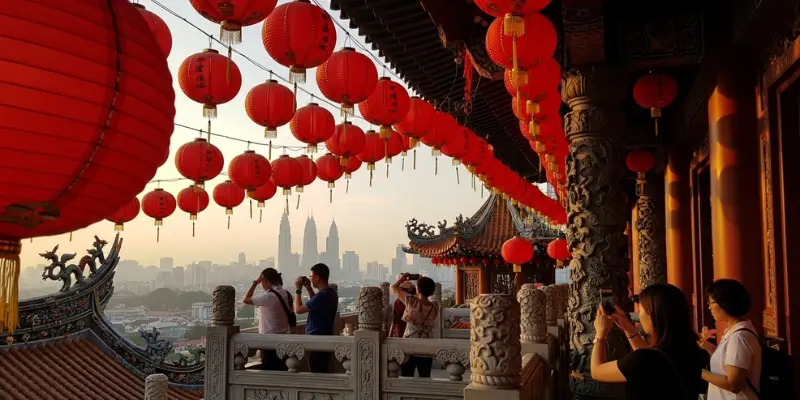
When you step into Thean Hou Temple Kuala Lumpur, you are immediately greeted by the main prayer hall, a serene space dedicated to the three revered goddesses: Mazu, the protector of seafarers, Guan Yin, the Goddess of Mercy, and Shui Wei Sheng Niang, associated with protection near water. Trust me, watching locals light incense and offer prayers here gives you a genuine glimpse into Chinese Buddhist temple Malaysia traditions, and it is a perfect spot to pause, reflect, and soak in the spiritual atmosphere.
As you move to the upper levels, you will discover the Buddha room and quiet terraces that offer breathtaking panoramic skyline KL views. The terrace is ideal for capturing those Instagram-worthy shots of the city nestled beneath the temple’s ornate roofs. Don’t miss the gold lanterns, terracotta ridge beasts, and fire-breathing dragons, which make for striking close-up photography. Morning light enhances the colors of the red pillars and curved roofs, while sunset casts a golden glow across the terraces you will want to linger here, camera in hand.
Near the lower sections, the wishing well and turtle pond provide small but interesting photo opportunities, especially for families traveling with kids. Stroll through the temple gardens, where zodiac animals and water features add charm and variety to your shots, while also offering a peaceful break from the busy city below.
For photography enthusiasts, here are a few tips: capture the intricate carvings and decorative motifs in soft morning light, frame the panoramic skyline KL from the upper terraces, and do not hesitate to include visitors in your shots to show the temple in its lived-in, cultural context.
Remember, the temple encourages free exploration, but small donations are welcomed to support maintenance. While there is no entrance fee, consider giving a token contribution, which makes you part of the temple’s ongoing care a subtle way to blend user experience with real practical guidance.
By combining spiritual, architectural, and photographic experiences, Thean Hou Temple becomes not just a sightseeing spot but a place where your visit is truly immersive and visually unforgettable.
Festivals & Cultural Events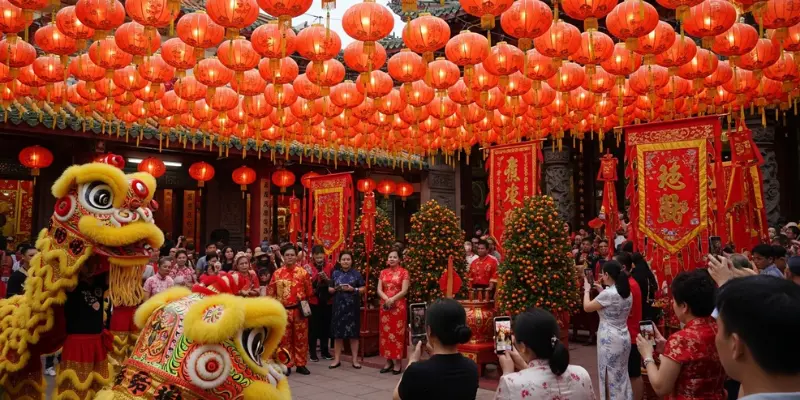
Visiting Thean Hou Temple Kuala Lumpur is already a treat, but if you time it right, you can witness some of Malaysia’s most vibrant Chinese festivals. Honestly, it feels like stepping into a world where culture, tradition, and community come alive right before your eyes.
During Chinese New Year, the temple transforms into a sea of red lanterns, with lion and dragon dances weaving through the courtyards. You will hear drums, see locals making offerings, and feel the energy of the celebrations. It is a perfect time for Instagram-worthy photos KL temple, especially in the early morning or sunset, when the light hits the lanterns just right. Some offerings may require a small donation, usually a few Malaysian Ringgit, but it is completely optional.
The Mid-Autumn Festival, also called the Mooncake Festival, is another magical period. Families bring children, carry lanterns, and share traditional mooncakes. It is very family-friendly, and wandering around the temple while tasting a sweet mooncake makes you feel part of the local life.
Other cultural highlights include the Lantern Festival, Qingming Festival, and Dragon Boat Festival, where you can witness intricate rituals, decorations, and local performances. Temple celebrations Malaysia are not just visually stunning they are immersive experiences. If you plan your visit on weekdays or during early hours, you will enjoy calmer crowds and a more personal connection to the temple life.
Trust me, timing your visit with these festivals adds a layer of magic to the temple experience, while also giving you real insights into the local culture and, of course, the chance to capture some stunning photos.
Practical Tips for Visitors
Visiting Thean Hou Temple Kuala Lumpur is a delightful experience, but a little preparation can make your trip smooth and enjoyable. First, remember the dress code: modest clothing is essential, and women can carry a scarf to wrap around their waist or shoulders. You must remove shoes before entering the prayer hall to show respect for the sacred space.
Plan to spend about 30 to 60 minutes exploring the temple. This is enough time to enjoy the main prayer hall, upper terraces, gardens, and wishing well, and still have energy left for a quick stop at the nearby hawker stalls. The temple is exposed to the sun, so bring sunscreen, a hat, and plenty of water, especially if you visit during the afternoon heat.
Keep in mind that stairs connect different levels, and shade is limited in some areas, so wear comfortable shoes and pace yourself. Restrooms and small food stalls are available on site, making it easy to refresh or grab a quick bite. For the best experience, consider combining the temple visit with local hawker stalls and nearby attractions like Batu Caves, creating a full day itinerary in Kuala Lumpur.
Insider tips: Early mornings or late afternoons are ideal for photography and avoiding crowds. Donations are encouraged but optional this small contribution helps maintain the temple grounds for everyone to enjoy.
Nearby Attractions & Day Planning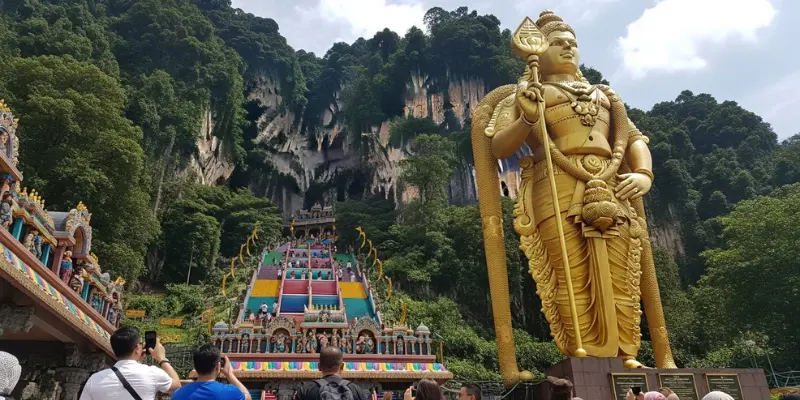
Once you have soaked in the Thean Hou Temple Kuala Lumpur vibes, why stop there? Honestly, combining your temple visit with nearby attractions can turn a simple trip into a full-day adventure. The perfect companion for Thean Hou Temple is the Batu Caves. While the temple offers peaceful terraces, ornate red pillars, and serene gardens, Batu Caves delivers a dramatic, towering limestone experience with its iconic giant golden statue of Lord Murugan. Visiting both gives you a well-rounded cultural contrast, from calm spirituality to awe-inspiring Hindu architecture.
For families or solo travelers wanting a relaxed day, you can include nearby markets, street food walks, and scenic viewpoints. Imagine starting with a morning temple visit, enjoying a budget-friendly meal at local hawker stalls ($8 USD for two), then hopping on a Grab taxi ($5 USD / 20 MYR) to Batu Caves. Later, wander through colorful markets, take photos of KL city views, and explore walking trails around the area.
If you prefer a guided experience, a half-day tour including Batu Caves is available for £12 (travellinghan.com). Planning this way ensures efficient time use, keeps the day budget-friendly, and guarantees a family-friendly itinerary. The combination of temple + food + nearby attractions not only maximizes your Kuala Lumpur adventure but also allows for Instagram-worthy photos, cultural immersion, and real local experiences.
In short, this strategy makes your day smooth, enjoyable, and full of authentic KL experiences, while keeping costs transparent and planning simple. You get the spiritual serenity of Thean Hou Temple, the excitement of Batu Caves, and the flavors of local Malaysian cuisine all in one memorable day.
Conclusion Why You Should Visit
Visiting the Thean Hou Temple Kuala Lumpur is more than just a sightseeing stop it is a complete cultural and spiritual journey. From the serene terraces and ornate altars to the breathtaking panoramic skyline, every corner invites reflection and awe. Do not forget to explore the local hawker stalls, where vegetarian rice plates, curries, and unique treats like purple sweet potato log rolls cost just $8 USD for two, offering an authentic taste of Kuala Lumpur.
Trust me, combining the temple visit with nearby attractions and tasty street food creates a truly memorable day. Whether you are a family, solo traveler, or cultural enthusiast, you will experience spiritual tranquility, vibrant traditions, and delicious Malaysian flavors. This guide brings together personal experience, real money-related insights, and practical tips to ensure your visit is smooth, enjoyable, and authentic.
Thean Hou Temple Hawker Stalls: Food, Tips and Attractions
Related Posts

Short Getaway from KL: 32 Best Weekend Trips & Day Escapes
Feeling overwhelmed by the fast-paced life in Kuala Lumpur? A short getaway from KL is…
Herbarium Taman Botani Perdana: Complete Visitor Guide 2026
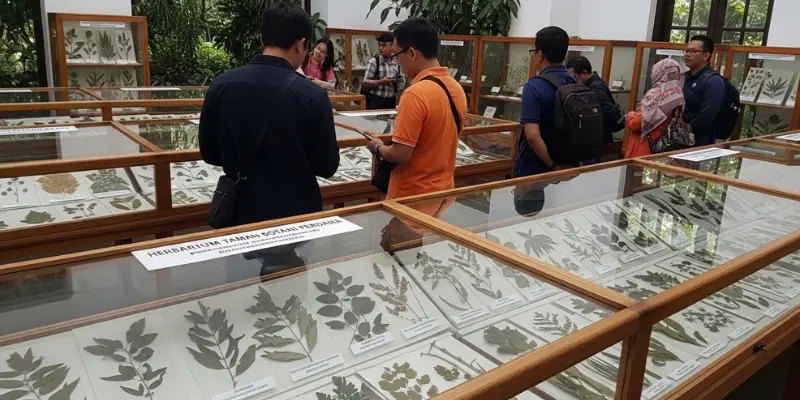
Nestled in the heart of Kuala Lumpur, Herbarium Taman Botani Perdana is a serene green…
Exact Batu Caves Opening Time: Malaysia’s Rainbow Stairs and Murugan Statue
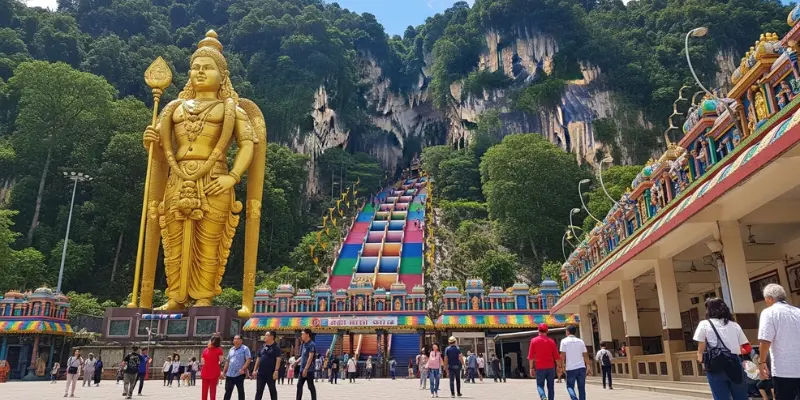
Imagine stepping into a world where nature’s grandeur meets spiritual devotion this is Batu Caves,…