
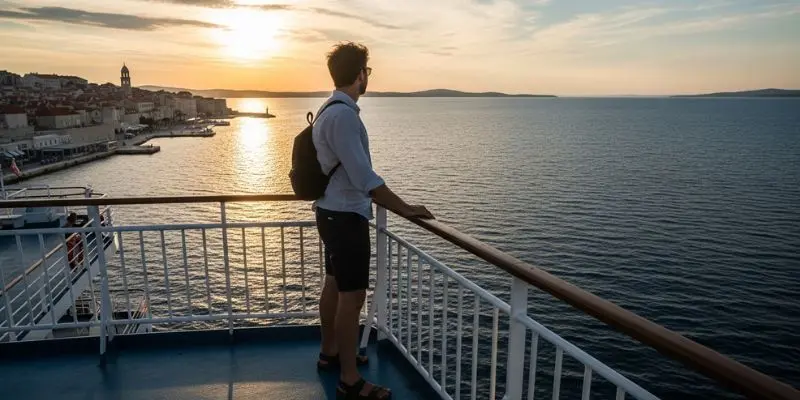
Split to Hvar Town 4 Ferry Companies Comparison and Duration
If you are planning a trip from Split to Hvar Town, the first thing you should know is that this is one of the most beautiful and easiest ferry journeys in Croatia. The Split to Hvar ferry route is not just a transfer it’s a scenic ride across the Adriatic Sea that connects the mainland with one of the most famous islands in the country. Ticket prices typically range from €6.04 to €25.00, depending on season and speed of the ferry, making it both an affordable and flexible travel option for most travelers.
Most travelers choose Hvar Town as their arrival point because it is the heart of the island, full of historic streets, seaside cafés, and easy access to beaches and nightlife. Whether you are planning a short day trip to Hvar or a longer island stay, this route gives you the perfect balance of speed and comfort.
The journey is surprisingly quick. On average, the ferry from Split to Hvar Town takes around 55 minutes to 1 hour and 20 minutes, depending on the ferry type and operator. High-speed catamarans make the trip faster, while standard services may take slightly longer but still offer a smooth ride across the Adriatic.
Ferries operate regularly throughout the year, with increased frequency during the summer season when Croatia’s island hopping routes are at their busiest. This makes it easy to plan your trip almost any time you visit.
The route is operated by trusted ferry companies like Kapetan Luka Krilo, TP Line, and Jadrolinija, all offering reliable services for foot passengers.
ROUTE OVERVIEW
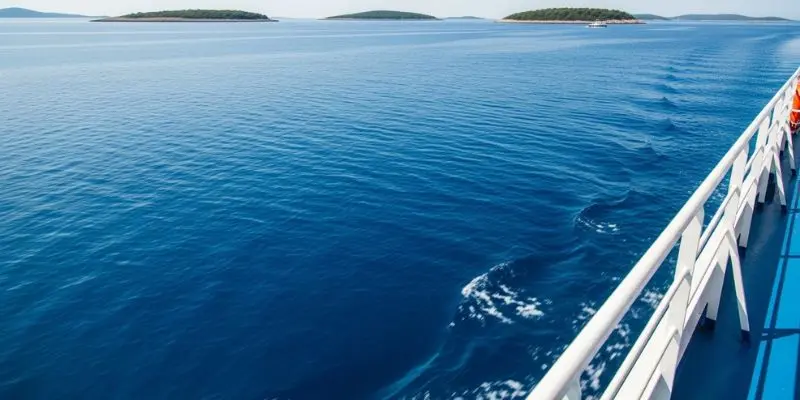
The Split to Hvar ferry time is one of the most important details for travelers planning an island trip in Croatia. The ferry route covers approximately 38 km / 20.75 nautical miles across the stunning Adriatic Sea, connecting the mainland at Split ferry port with the iconic Hvar Town. Depending on the service, the journey takes between 55 minutes and 1 hour 20 minutes, making it one of the fastest and most scenic ways to reach the island.
The ferry schedule Split to Hvar operates daily throughout the year, although frequency changes with the season. During summer months, there are more departures due to high tourist demand, while in winter the number of sailings is reduced. The route is served by trusted operators such as Kapetan Luka, Krilo, TP Line, and Jadrolinija, which ensures reliable connections for travelers.
The fastest ferry Croatia options are high-speed catamarans, which significantly reduce travel time compared to standard services. However, ferry duration can vary depending on weather conditions, sea traffic, and the specific vessel type. For example, high-speed catamarans are quicker but usually fall at the higher end of the price range.
From a cost perspective, the Split Hvar ferry ticket price generally ranges from €6.04 to €25.00 per foot passenger, with faster services costing more due to speed and comfort. This makes the route suitable for both budget travelers and premium day-trippers exploring the Adriatic.
FERRY COMPANIES COMPARISON

When planning the best ferry Split to Hvar, choosing the right operator makes a big difference in both price and travel experience. The Split to Hvar route is served by several trusted companies, mainly Kapetan Luka, Krilo, TP Line, Krilo services, and selected Jadrolinija routes. Each company offers a slightly different balance of speed, comfort, and ticket cost, so understanding these differences helps you pick the right option for your trip.
In general, cheap ferry Croatia options are slower or use more basic seating, while faster catamarans usually come at a higher price, especially during peak summer months. The Split to Hvar ticket booking system also reflects seasonal demand, meaning prices can fluctuate depending on travel dates.
Below is a simple comparison to help you decide:
Ferry Companies Comparison Table
| Company | Duration | Price Range | Frequency | Best For |
| Kapetan Luka, Krilo | 55 to 60 min | €6.04 to €25.00 | High (summer peak) | Fast travel & day trips |
| TP Line | 60 to 80 min | €6.04 to €25.00 | Regular daily | Budget-friendly travel |
| Krilo Services | 55 to 65 min | €6.04 to €25.00 | Seasonal high | Quick catamaran travel |
| Jadrolinija (selected routes) | 60 to 90 min | €6.04 to €25.00 | Limited seasonal | Traditional ferry experience |
The Krilo ferry Split Hvar and Kapetan Luka services are known for being among the fastest ferry Croatia options, often preferred by travelers who want to maximize their time in Hvar Town. These high-speed catamarans reduce travel time but are usually priced at the higher end of the range, especially in July and August.
On the other hand, TP Line catamaran services are often slightly cheaper and ideal for travelers looking for a balance between comfort and cost. Jadrolinija routes, where available, provide a more traditional ferry experience but may take longer and operate on limited schedules.
From a money perspective, the Split Hvar ferry ticket price starts as low as €6.04 for basic seating and can go up to €25.00 for faster or peak-season departures. This price difference is mainly due to speed, demand, and comfort level onboard.
In simple terms:
- Choose Krilo or Kapetan Luka if speed is your priority
- Choose TP Line for budget-friendly travel
- Choose Jadrolinija for traditional ferry experience
This makes the Split to Hvar route flexible for all types of travelers, from budget backpackers to luxury island hoppers exploring the Adriatic Sea.
SPLIT FERRY PORT GUIDE
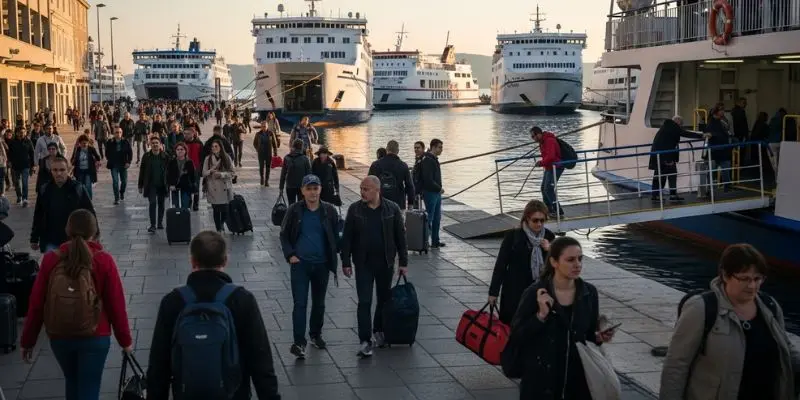
The Split ferry port is the main departure point for all catamarans traveling toward Hvar Island and other Adriatic destinations. Also known as the Split terminal Croatia, it is located right along the city’s waterfront, making it one of the most accessible transport hubs in the region. From here, travelers board daily ferries operated by companies like Kapetan Luka, Krilo, TP Line, and Jadrolinija, all serving the popular Split to Hvar route.
If you are arriving from Split Airport, reaching the ferry port is simple and takes around 25 to 30 minutes by taxi depending on traffic. A more budget-friendly option is the airport bus to Split city center, followed by a short 10 to 15 minute walk to the harbor. This makes the Split airport to ferry port connection very convenient for day-trippers and island travelers.
Once you arrive at the port, follow signs for the ferry boarding Split area, where departure gates are clearly marked for different operators. It is recommended to arrive at least 30 to 45 minutes before departure, especially during summer when passenger traffic is high.
The boarding process is straightforward. After ticket verification, passengers proceed to the designated dock, where crew members guide you onto the catamaran. Most ferries are foot-passenger only, meaning no vehicle loading is required, which makes boarding faster and more organized compared to car ferries.
Inside the terminal area, you will also find basic facilities such as ticket counters, waiting zones, and small cafés. During peak season, the port can become busy, so early arrival ensures a smoother experience.
In simple terms, the Split ferry port works like a well-organized gateway between mainland Croatia and its islands, offering quick access to Hvar and other destinations across the Adriatic Sea.
HVAR ARRIVAL OPTIONS
When taking the ferry to Hvar Island, one of the most common questions travelers face is: where should I arrive in Hvar? The island actually has two main entry points, Hvar Town and Stari Grad, and each offers a completely different travel experience. Understanding the difference between Stari Grad vs Hvar Town is important because it directly affects your travel time, cost, and convenience after disembarking.
Hvar Town Arrival (Main Tourist Hub)
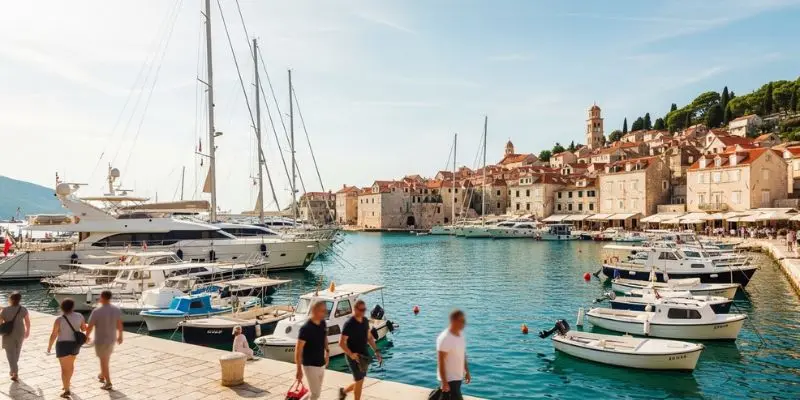
Arriving at the Hvar Town ferry terminal is the most direct and convenient option for most travelers. This port places you right in the heart of the island’s main tourist area. From here, you can easily walk to hotels, restaurants, beaches, and nightlife spots within minutes. This is why most first-time visitors prefer Hvar Town as their arrival point.
The main advantage of arriving here is instant access to the city center, meaning no additional transport is needed. However, ferries going directly to Hvar Town are often slightly more expensive or limited in frequency depending on the season.
Stari Grad Arrival (Budget-Friendly And Quieter Option)
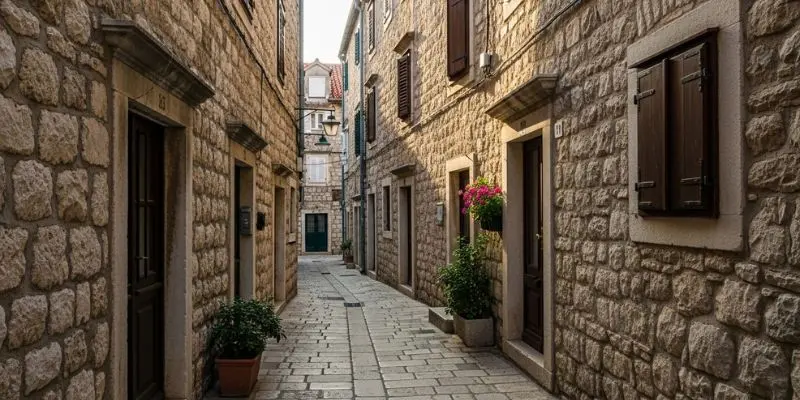
The Stari Grad ferry connection is another popular entry point and is actually one of the oldest towns in Europe. It is larger and often served by more ferry routes, which makes it a common choice for cheaper ferry tickets.
However, Stari Grad is located on the opposite side of the island, so you will need additional transport to reach Hvar Town. The journey takes around 20 to 30 minutes by bus or taxi, depending on traffic and season. While this adds an extra step, it is often more budget-friendly and less crowded.
Which Arrival Port Should You Choose?
Choosing between these two Hvar island ports depends on your travel style:
- Choose Hvar Town if you want convenience, short transfers, and immediate access to the tourist center
- Choose Stari Grad if you prefer cheaper ferry options and a quieter, more authentic arrival experience
In simple terms, Hvar Town gives you speed and convenience, while Stari Grad gives you savings and flexibility. Both are valid entry points, and both connect you smoothly to the rest of the island.
This is why many travelers carefully plan their arrival point before booking, as it can significantly improve their overall Adriatic island travel experience.
FERRY TICKET PRICES AND MONEY BREAKDOWN
Understanding the Split to Hvar ticket price is essential for planning your trip, especially if you are trying to balance speed, comfort, and budget. The Hvar ferry fare for foot passengers generally ranges from €6.04 to €25.00, depending on the ferry company, season, and type of vessel. This makes the route flexible for both budget travelers and those looking for faster, more comfortable crossings.
The main factor affecting ferry cost Croatia is seasonality. During the summer months (June to September), demand increases significantly due to peak tourism, which often pushes prices toward the higher end of the range. In contrast, shoulder and off-season months usually offer more cheap ferry Split Hvar options, making it more affordable for travelers exploring the Adriatic outside peak periods.
Another important factor is ferry speed. High-speed catamarans operated by companies like Kapetan Luka, Krilo and TP Line tend to cost more because they reduce travel time to around one hour. Slower or more traditional services, where available, are generally cheaper but may take slightly longer depending on stops and route conditions.
Booking time also plays a major role in price. Early Split Hvar ticket booking often gives better availability and lower fares, while last-minute bookings during peak season may result in higher prices or limited seat options.
From a broader perspective, the Croatia travel budget for island hopping can vary depending on how many islands you plan to visit, but the Split to Hvar route remains one of the most cost-effective and popular connections in the Adriatic. On average, travelers can expect a smooth balance between affordability and convenience.
In simple terms, your ferry cost depends on three things: season, speed, and booking timing. Understanding these helps you choose the right option and avoid unnecessary expenses while traveling between Split and Hvar.
BEST TIME TO TRAVEL
Choosing the best time to visit Hvar plays a major role in how smooth and flexible your journey from Split will be. The Croatia ferry season is generally active from April to October, which is when most Split Hvar summer ferry routes operate with full schedules and higher frequency. During this period, the Adriatic is at its busiest, and travelers enjoy the widest range of departures throughout the day.
In peak summer months (June to September), ferry traffic increases significantly, with around 138 weekly crossings between Split and Hvar routes. This high frequency makes it very easy to plan a flexible day trip or multi-day island hopping itinerary. The weather is also at its best during this time, making it the most popular Adriatic travel season for international visitors.
In contrast, the winter season sees a major reduction in service, with only around 36 weekly crossings available. While ferries still operate, schedules are more limited, and travelers may need to plan carefully around fixed departure times. This is mainly due to lower demand and more unpredictable Croatia island weather, which can affect sea conditions.
From a practical perspective, spring (April to May) and early autumn (September to October) are considered ideal for balanced travel. During these months, you still benefit from active ferry routes under the main Croatia ferry season, but with fewer crowds, easier boarding, and a more relaxed experience overall.
For travelers planning a Split Hvar summer ferry trip, it is important to book early during peak season, as tickets can sell out quickly due to high demand. Off-season travel, on the other hand, offers more flexibility but fewer daily options.
In simple terms, summer gives you maximum ferry availability and energy, while spring and autumn offer better comfort and smoother travel conditions. Choosing the right season ensures a better overall experience on your ferry from Split to Hvar route.
STEP-BY-STEP TRAVEL PROCESS
Getting from Split to Hvar Town by ferry is one of the easiest and most scenic journeys in Croatia, but first-time travelers often feel unsure about the process. In reality, the entire journey is simple, well-organized, and designed for tourists and locals alike.
The process begins at the Split ferry port, located along the main waterfront promenade. Once you arrive, you will see multiple terminals serving different routes, so it is important to check your ticket and confirm the correct departure point. This is where many travelers first search for how to take ferry Split to Hvar and realize it is more straightforward than expected.
Next, you select your ferry operator such as Kapetan Luka, Krilo, TP Line, or Jadrolinija services, depending on your ticket. These companies run frequent departures, especially in summer when demand is high. After confirming your platform, you proceed to the boarding gate.
Boarding is usually organized and fast. Staff scan your ticket, guide you to seating areas, and help with luggage placement. This is part of the standard ferry boarding guide Croatia experience, where everything is handled efficiently even during peak season.

Once onboard, the journey begins across the Adriatic Sea ferry route, taking around 55 minutes to 1 hour. Travelers usually enjoy open-deck views, making this part of the experience feel like a scenic cruise rather than transport.
Finally, you arrive at Hvar Town ferry terminal, located just steps away from the old town center. From here, you can easily walk to hotels, restaurants, and major attractions without additional transport.
This simple system is why Croatia’s passenger ferry process is considered one of the most tourist-friendly transport networks in Europe.
DAY TRIP PLANNING

A Split to Hvar day trip is absolutely possible and is one of the most popular short island experiences in Croatia. With well-planned ferry timings and an early start, you can comfortably explore the island and return to Split within the same day.
Most travelers begin their one day Hvar itinerary by taking the first morning ferry from Split, which usually departs around 08:00. This early departure is ideal because it gives you the maximum time on the island and allows a relaxed pace instead of rushing through attractions.
On average, ferries operate throughout the day with the last return options around 18:00, depending on the season and ferry company. This schedule creates a flexible window for planning a full Croatia island day tour experience without needing an overnight stay.
Once you arrive, a stay of 6 to 8 hours is generally considered ideal. This duration allows enough time to explore either Stari Grad, Hvar Town, or even both if you manage transport efficiently between them. However, travelers should be mindful that island transport (taxi or bus) can take additional time, so planning ahead is important.
The biggest advantage of a short trip to Hvar is that ferry connections are frequent, especially during summer when demand increases significantly. This makes it easier to adjust your return timing if needed, as multiple departures are usually available.
A well-planned Split to Hvar day trip works best when you focus on 2 to 3 key highlights instead of trying to see everything. Hvar is not just about sightseeing; it is about enjoying coastal views, old stone streets, and relaxed Mediterranean atmosphere.
In the end, a same-day return is not only possible but also highly recommended for travelers short on time who still want to experience the beauty of the Adriatic Sea.
FAQ,s Split to Hvar Ferry
How long is ferry from Split to Hvar?
The ferry usually takes 55 minutes to 1 hour 20 minutes, depending on the operator and ferry type.
What is the cheapest ferry option?
The cheapest tickets start from around €6.04, usually on standard catamaran services.
Can you take a car on the ferry?
Yes, but only on selected ferries like some Kapetan Luka, Krilo services; most fast catamarans are passenger-only.
Which ferry is fastest?
The fastest options are high-speed catamarans by Krilo and TP Line, taking around 55 minutes.
Hvar Town or Stari Grad which is better?
Hvar Town is more tourist-friendly and central, while Stari Grad is quieter, older, and often cheaper to reach.
EXPERT TRAVEL TIPS
If you want a smooth Split Hvar travel experience, a few smart decisions can completely improve your journey from average to unforgettable. These Croatia ferry advice tips are based on real travel patterns and frequent visitor experience.
First, always book early during summer months. Ferries between Split and Hvar get extremely busy, and early booking ensures better prices and preferred departure times, especially on high-speed routes.
Second, if you want the best experience, try to sit on the upper deck. This gives you open-air views of the Adriatic Sea ferry route, making the journey feel more like a scenic cruise than transport.
Third, always check your return ferry before planning your day. Many travelers focus only on arrival, but return timing decides how relaxed your Hvar experience will be.
Fourth, keep your luggage light. Fast ferries like Krilo and TP Line catamarans are designed for foot passengers, and easy mobility helps you move quickly between ports and transport.
Finally, plan your route in reverse if possible. Knowing your return time first helps you structure your island visit better and avoid unnecessary rushing.
These simple habits can transform your Split Hvar travel tips from basic planning into a stress-free island experience.
Split to Hvar Town 4 Ferry Companies Comparison and Duration
Related Posts

Edinburgh, Scotland: The Complete 2026 Travel Guide
Edinburgh, Scotland sits on the east coast of the country, about 400 miles north of…

Castles in England: 50+ Best Castles to Visit in 2026
England is home to one of the richest castle landscapes anywhere in the world. Historians…

Perfect time to visit Village of Èze France Travel Guide 2026
Village of Èze France is one of the most dramatic stops on the French Riviera,…