
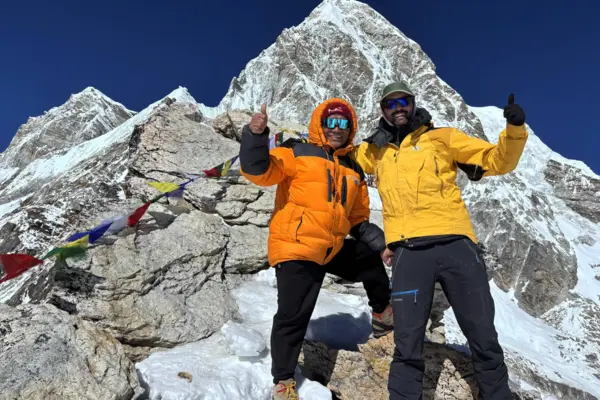
Why Choose a Local Tour Operator for Your Nepal Adventure
Nepal draws travelers from every corner of the globe with its towering peaks, ancient temples, and warm mountain hospitality. But planning a trip here involves more than picking a destination and booking a flight. From trekking permits to altitude safety, the details matter, and how you plan often decides whether your Nepal adventure feels effortless or overwhelming. This is where an experienced Nepal-based tour operator makes all the difference. Choosing a trekking company Nepal residents actually rely on, rather than a distant agency working through layers of subcontractors, changes the entire quality of your journey.
According to the Nepal Tourism Board, Nepal welcomed over 1 million international visitors in 2024, with trekking, mountaineering, and cultural tourism among the country’s biggest attractions. Popular regions such as Everest, Annapurna, and Langtang receive travelers from around the world, making experienced local support essential for safe travel, efficient logistics, and a more authentic experience. As tourism continues to grow, selecting the right tour operator has become one of the most important decisions when planning a Nepal adventure.
Why Choosing the Right Tour Operator Matters
Many travelers assume that booking through a large international agency guarantees quality. In reality, most of these agencies do not operate in Nepal themselves. They resell packages arranged by local partners, adding extra costs and communication gaps along the way. When something changes on the ground, such as a delayed flight, a closed trail, or sudden weather changes, you are often left waiting for someone overseas to relay information from someone else entirely. A Nepal-based travel company removes that middle layer, giving you direct access to the people who actually organize your trek, arrange your permits, and guide you through the mountains.
Benefits of Booking with a Local Nepal Tour Operator
Working directly with an experienced travel specialist in Nepal brings practical advantages that shape your entire trip.
- Direct communication: Speak directly with the team planning your trip instead of going through multiple intermediaries.
- Better value: Transparent pricing without unnecessary international agency markups.
- Faster problem-solving: Local teams can quickly adjust itineraries, flights, or accommodation when plans change.
- Genuine local expertise: Benefit from guides who understand Nepal’s trails, weather, culture, and trekking conditions.
Quick Comparison
The table below summarizes the key differences between booking with a local Nepal tour operator and an international travel agency.
| Feature | Local Nepal Tour Operator | International Travel Agency |
| Communication | Direct contact with the team organizing your trip | Communication often goes through intermediaries |
| Local Knowledge | Firsthand experience of trails, culture, and weather | Relies on local partners for destination expertise |
| Itinerary Flexibility | Easier to customize before and during the trip | Changes may require multiple approvals |
| Emergency Support | Immediate on-the-ground assistance | Response can be delayed by different time zones |
| Permit Management | Handles the latest permit requirements directly | Usually coordinated through local subcontractors |
| Value for Money | Transparent pricing with fewer middlemen | Additional agency markups may increase costs |
| Community Impact | Supports local guides, porters, and businesses | A larger share of revenue may stay outside Nepal |
Local Knowledge Creates Better Travel Experiences
A guide who has walked the same trail for fifteen years notices things a first-time visitor never would. They know which teahouse serves the best dal bhat, which viewpoint catches the clearest sunrise over the Himalaya, and how to read the sky before a storm rolls in. This kind of firsthand mountain knowledge cannot be replicated by an overseas agency working from a spreadsheet.
Experienced guides also understand how altitude affects different trekkers. They can recommend a slower pace, schedule additional acclimatization time when needed, and recognize the early signs of altitude sickness before they become serious. This local judgment plays an important role in making high-altitude journeys both safer and more enjoyable.
Cultural tours benefit just as much. A guide familiar with Newari architecture, Sherpa traditions, or Tibetan Buddhist rituals can explain what you are seeing rather than simply pointing at it. That context turns sightseeing into genuine cultural immersion, and it is one of the clearest reasons experienced guides matter as much as the destination itself.
Personalized Itineraries and Flexible Planning
No two travelers want the exact same trip. Some want a fast-paced mountain adventure with minimal rest days. Others prefer a slower pace with extra time in villages along the way. A regional travel expert can customize your itinerary around your fitness level, schedule, and interests, rather than fitting you into a fixed template designed for the average customer.
This flexibility extends to travel style as well. Whether you are traveling solo, as a couple, or with a small group of friends, local operators can arrange private tours or small group tours depending on what suits you best. If your plans change mid-trip, perhaps you decide to extend a stay in the Everest region or swap one trekking permit application for another, a locally based team can act immediately instead of waiting for approval from a head office abroad.
Not every visitor has the time or desire to complete a multi-day trek. Travelers seeking comfort, convenience, and spectacular Himalayan scenery often choose a Nepal adventure tour with Everest helicopter, which combines luxury travel with close-up views of Mount Everest and the surrounding peaks in a single unforgettable experience.
Better Safety, Logistics, and On-the-Ground Support
Safety in the mountains depends heavily on preparation and quick decision-making. Established Nepal-based operators maintain strong relationships with hospitals, rescue services, and government offices, which speeds up emergency assistance if something goes wrong. Licensed guides trained in altitude sickness recognition and first aid can make the difference between a manageable situation and a dangerous one.
Beyond safety, travel logistics run more smoothly when handled locally. For example, flights to Lukla are frequently delayed or rescheduled because of changing mountain weather. A Nepal-based operator can quickly rearrange accommodation, transportation, or trekking schedules, helping travelers continue their journey with minimal disruption.
Trekking permits are another area where local expertise pays off. Restricted regions such as Manaslu and Upper Mustang require specific permits and documentation that must meet current government regulations. An experienced local operator stays updated on these requirements and helps travelers avoid unnecessary delays or paperwork issues.
Supporting Local Communities and Sustainable Tourism
Every booking made with a local operator puts money directly into Nepal’s economy. Guides, porters, teahouse owners, and local guesthouse staff all benefit when travelers choose companies rooted in the communities they operate in. This is the foundation of responsible travel and sustainable tourism, practices that protect the very landscapes and cultures that draw visitors to Nepal in the first place.
International agencies reselling packages often have little connection to the villages travelers pass through. A trusted Nepal travel company, by contrast, tends to maintain long-term relationships with the same porters, lodges, and guides, which supports fair wages and consistent working conditions across the tourism supply chain.
Popular Adventures Best Experienced with Local Experts
Nepal’s most iconic journeys benefit enormously from local guidance. One of Nepal’s most rewarding trekking experiences is the Annapurna Base Camp Trek, which leads travelers through traditional mountain villages, rhododendron forests, and breathtaking Himalayan landscapes. Local guides enhance the journey by sharing cultural insights, monitoring trail conditions, and helping trekkers adapt safely to changing altitudes and weather.
Other popular experiences, including Everest Base Camp treks, Langtang Valley journeys, and cultural tours through Kathmandu, Bhaktapur, and Patan, all benefit from operators who understand both the physical demands of the terrain and the cultural context surrounding it.
Common Mistakes Travelers Make When Booking Nepal Tours
Many travelers unknowingly make choices that complicate their trip:
- Booking through online marketplaces without confirming who operates the trip.
- Choosing the cheapest package without checking guide qualifications.
- Assuming all trekking guides have the same level of experience.
- Ignoring permit requirements before arriving in Nepal.
- Not confirming what support is available if travel plans change.
Avoiding these mistakes usually comes down to one decision: choosing a transparent, licensed local operator from the start rather than relying solely on a third party.
Why Euro Asia Treks Is a Trusted Local Tour Operator
With years of experience organizing Himalayan treks, cultural journeys, and adventure holidays across Nepal, Euro Asia Treks has built a reputation for reliable service, knowledgeable guides, and personalized travel planning.
Unlike companies that rely on fixed itineraries, Euro Asia Treks works closely with every traveler to design trips that match their interests, fitness level, travel style, and schedule. Whether you’re planning a challenging Himalayan trek, a cultural holiday, or a luxury helicopter experience, the team helps create an itinerary that suits your goals while taking care of permits, transportation, accommodation, and local logistics.
Safety is another reason many travelers choose Euro Asia Treks. Their licensed guides have extensive experience in Nepal’s mountain regions and understand how to manage changing weather, trail conditions, and altitude-related challenges. With local knowledge and on-the-ground support, they can respond quickly when plans need to change, giving travelers greater confidence throughout their journey.
Because the company is based in Nepal, travelers benefit from direct communication before arrival and responsive assistance throughout the trip. Instead of dealing with multiple intermediaries, you can speak directly with the team organizing your adventure, making planning easier, faster, and more transparent.
From your first inquiry to your final day in Nepal, Euro Asia Treks focuses on creating safe, authentic, and memorable travel experiences that allow visitors to discover the country’s mountains, culture, and hospitality with confidence.
Frequently Asked Questions
Is it cheaper to book directly with a local Nepal tour operator?
In many cases, yes. Booking directly with a local Nepal tour operator often eliminates extra agency markups while giving you direct access to the team organizing your trip. You also benefit from clearer communication and more flexibility if your travel plans change.
Are local trekking guides in Nepal licensed?
Reputable trekking companies employ licensed guides who are trained in mountain safety, first aid, and altitude awareness. Before booking, always confirm that your operator uses experienced and government-authorized guides.
Can a local tour operator customize my itinerary?
Yes. One of the biggest advantages of working with a Nepal-based operator is the ability to tailor your itinerary based on your interests, fitness level, travel schedule, and preferred destinations. Many also offer private tours and flexible departure dates.
Why should I choose a local operator instead of an international travel agency?
A local operator provides firsthand destination knowledge, faster on-the-ground support, direct communication, and a better understanding of Nepal’s culture, trekking routes, permits, and travel logistics. This often results in a smoother and more personalized travel experience.
What services does a local Nepal tour operator usually provide?
Most local tour operators can arrange trekking permits, licensed guides, accommodation, transportation, airport transfers, sightseeing, and customized itineraries. Many also provide on-the-ground support throughout your trip.
When is the best time to visit Nepal for trekking?
Spring (March to May) and autumn (September to November) are generally considered the best seasons for trekking in Nepal. These months usually offer clear mountain views, stable weather, and comfortable trekking conditions.
Can a local tour operator help with permits and travel logistics?
Yes. A reputable Nepal-based operator manages permit applications, transportation, accommodation, and itinerary planning, helping travelers save time and avoid unnecessary complications before and during their trip.
Conclusion
Choosing the right operator shapes every part of your Nepal journey, from the smoothness of your logistics to the depth of your cultural experience. A trusted Nepal-based operator brings authentic experience, licensed guides, and responsive support that international agencies simply cannot match from a distance. Whether you are planning a challenging trek through the Annapurna region, a cultural exploration of the Kathmandu Valley, or a scenic mountain adventure by air, working with a company rooted in Nepal gives you a smoother, safer, and more meaningful journey.
Whether you’re planning your first visit to Nepal or returning to explore another Himalayan trail, choosing a trusted local operator ensures a journey that’s safer, more flexible, and deeply connected to the places and people that make Nepal extraordinary. Euro Asia Treks combines local knowledge, experienced guides, and personalized service to help travelers experience Nepal with confidence. By choosing a trusted local operator, you’re not only investing in a better travel experience but also supporting the communities that make Nepal one of the world’s most unforgettable destinations.
Related Posts
Best Beaches in Southeast Asia (2026): 12 Paradise Spots Travelers Love
If you are searching for the best beaches in Southeast Asia, you have probably already…